THE ADVENTURE COLLECTIVE® · Independent discovery and booking for outdoor travel

Explore Palm Beach County history inside the restored 1916 courthouse with a knowledgeable docent. This one-hour guided tour walks through courtroom architecture, permanent exhibits and rotating shows that trace the region’s social and economic evolution.
Explore Palm Beach County history inside the restored 1916 courthouse with a knowledgeable docent. This one-hour guided tour walks through courtroom architecture, permanent exhibits and rotating shows that trace the region’s social and economic evolution.
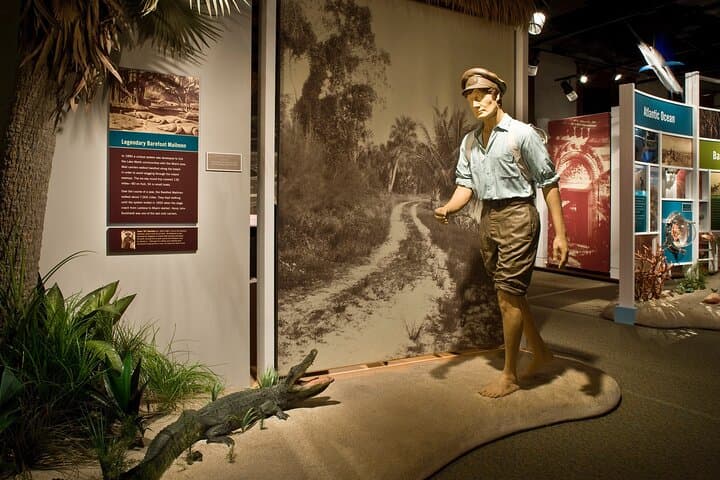
You step onto the courthouse's second-floor landing and the noise of downtown West Palm Beach fades to the quiet weight of paper and plaster. Light from tall windows sketches the rows of cases; the docent's voice threads context through objects—old maps, courtroom woodwork, photographs that chart a century of weather, tourism and migration.
Verified experiences and guided adventures in the surrounding area.
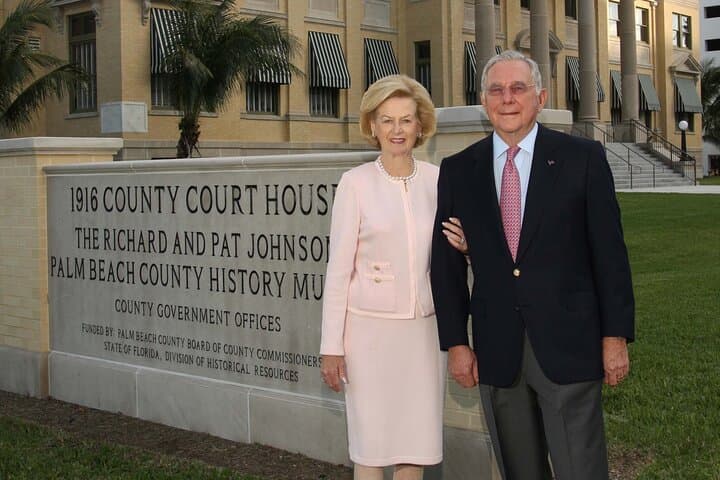
Operated by Richard and Pat Johnson Palm Beach County Museum · West Palm Beach, Florida
You step onto the courthouse's second-floor landing and the noise of downtown West Palm Beach fades to the quiet weight of paper and plaster. Light from tall windows sketches the rows of cases; the docent's voice threads context through objects—old maps, courtroom woodwork, photographs that chart a century of weather, tourism and migration.
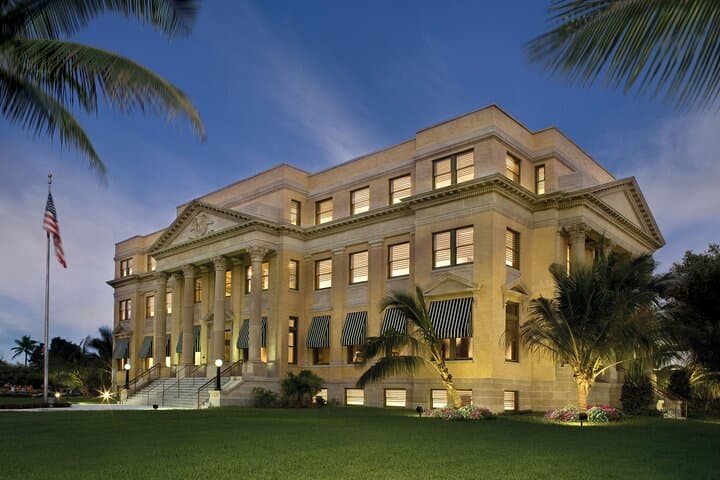
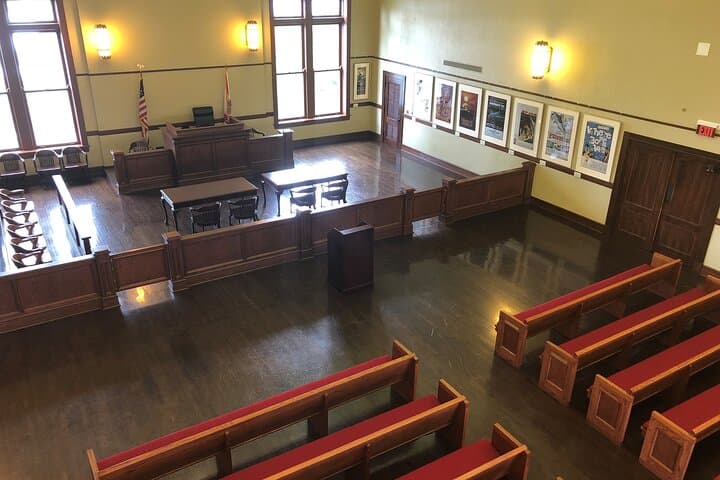
The museum occupies the restored 1916 Palm Beach County Courthouse, where the building itself is an artifact: classical revival details, preserved courtroom fixtures, and displays built from a 20th-century civic pulse. The Historical Society of Palm Beach County preserves more than four million images and documents tracing human presence in the region for thousands of years, from Indigenous occupation to the growth of the resort economy and hurricane-era resilience.
Geology here is subtle but present—the flat coastal plain, limestone bedrock under mangrove-lined estuaries, and the Atlantic a short drive east—shaped settlement patterns, citrus agriculture, and early travel routes. Cultural threads—tourism, rescue missions, and legal history—appear in rotating exhibits like "Wish You Were Here" and the 1916 courtroom installation.
Practical guidance: tours run about an hour and start on the courthouse's second floor; arrive 10–15 minutes early to check in. Wear comfortable shoes for standing, and bring a water bottle in warm months. Photography is typically allowed but follow docent instructions. The site is wheelchair-accessible and close to public transit, making it an easy cultural stop between waterfront walks and local dining. Whether you're a history buff or a curious traveler, the guided tour turns documents and rooms into a clear, human story of the Palm Beaches.
easy.
1 hour.
Suitable for all fitness levels; light mobility required for short walks and standing
The guided museum tour runs approximately 60 minutes and covers the permanent 'Places' exhibit and the 1916 courtroom; rotating exhibits vary by season.
Yes—the courthouse and museum report full wheelchair accessibility, including surfaces and transportation access; contact staff for specific needs.
Yes—stroller access is allowed, but space in some exhibit areas can be tight; consider leaving bulky strollers in your vehicle if possible.
Full refunds are available if you cancel at least 24 hours before the scheduled start time; later cancellations are not refundable.
The Historical Society of Palm Beach County was founded in 1937 and the museum displays over four million archival items documenting at least 12,000 years of regional history.
The museum emphasizes preservation of fragile archives and rotating exhibits to reduce wear; visitors are asked to avoid flash photography and to follow handling rules for artifacts.
Richard and Pat Johnson Palm Beach County Museum operates guided outdoor trips and adventures with an emphasis on safety, stewardship, and memorable experiences.
You step onto the courthouse's second-floor landing and the noise of downtown West Palm Beach fades to the quiet weight of paper and plaster. Light from tall windows sketches the rows of cases; the docent's voice threads context through objects—old maps, courtroom woodwork, photographs that chart a century of weather, tourism and migration.
You step onto the courthouse's second-floor landing and the noise of downtown West Palm Beach fades to the quiet weight of paper and plaster. Light from tall windows sketches the rows of cases; the docent's voice threads context through objects—old maps, courtroom woodwork, photographs that chart a century of weather, tourism and migration.
The museum occupies the restored 1916 Palm Beach County Courthouse, where the building itself is an artifact: classical revival details, preserved courtroom fixtures, and displays built from a 20th-century civic pulse. The Historical Society of Palm Beach County preserves more than four million images and documents tracing human presence in the region for thousands of years, from Indigenous occupation to the growth of the resort economy and hurricane-era resilience.
Geology here is subtle but present—the flat coastal plain, limestone bedrock under mangrove-lined estuaries, and the Atlantic a short drive east—shaped settlement patterns, citrus agriculture, and early travel routes. Cultural threads—tourism, rescue missions, and legal history—appear in rotating exhibits like "Wish You Were Here" and the 1916 courtroom installation.
Practical guidance: tours run about an hour and start on the courthouse's second floor; arrive 10–15 minutes early to check in. Wear comfortable shoes for standing, and bring a water bottle in warm months. Photography is typically allowed but follow docent instructions. The site is wheelchair-accessible and close to public transit, making it an easy cultural stop between waterfront walks and local dining. Whether you're a history buff or a curious traveler, the guided tour turns documents and rooms into a clear, human story of the Palm Beaches.