THE ADVENTURE COLLECTIVE® · Independent discovery and booking for outdoor travel

Walk Tbilisi’s older quarters to meet the city’s Yezidi community: tea in a family home, a temple visit, and neighborhood stories of language, dress, and survival. This four-hour cultural walking tour blends city geology, migration history, and practical tips for respectful exploration.
Walk Tbilisi’s older quarters to meet the city’s Yezidi community: tea in a family home, a temple visit, and neighborhood stories of language, dress, and survival. This four-hour cultural walking tour blends city geology, migration history, and practical tips for respectful exploration.
The morning sun hits the red-tiled roofs above the Mtkvari and the narrow streets breathe — vendors arranging bread, laundry hanging like flags, and a guide leading a small group toward a quiet corner of old Tbilisi.
Verified experiences and guided adventures in the surrounding area.
Operated by Georgian Promenade · Tbilisi, Tbilisi
The morning sun hits the red-tiled roofs above the Mtkvari and the narrow streets breathe — vendors arranging bread, laundry hanging like flags, and a guide leading a small group toward a quiet corner of old Tbilisi.
This four-hour walking tour traces the footprint of Yezidi families who arrived in the South Caucasus in waves during the late 19th and early 20th centuries. Along the way you'll pass the sulfur bath district fed by the city's thermal springs, cross terraces cut into volcanic foothills, and hear how the Kura (Mtkvari) river has shaped daily life and commerce.
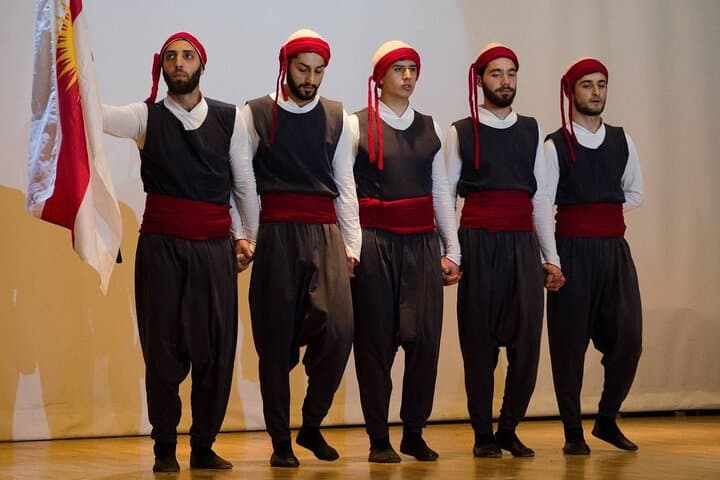
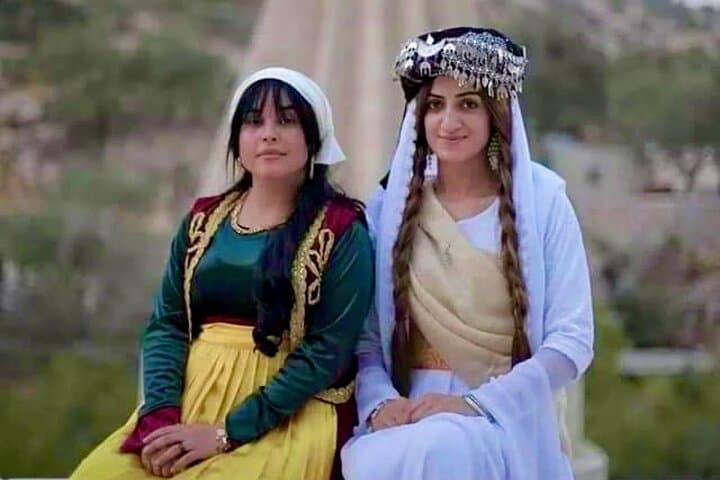
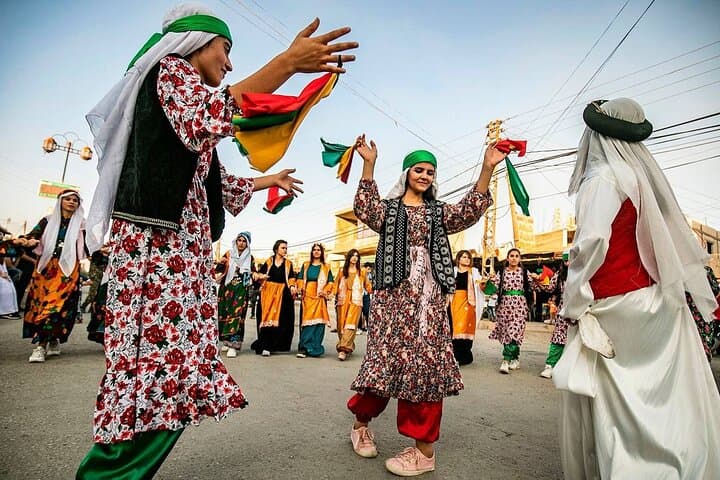
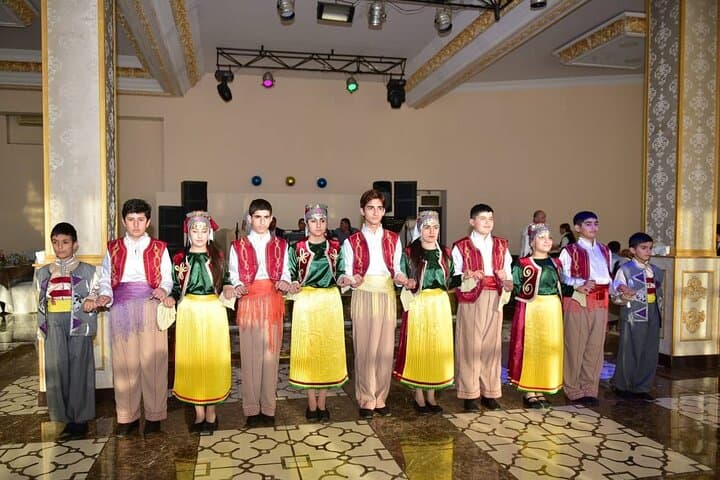
Culturally, the Yezidis in Georgia are an ethno-religious community with roots in Kurdish-speaking traditions and a distinct set of beliefs known as Yazidism. The guide explains language, traditional dress and seasonal festivals, and describes how this community preserved rituals through displacement and political change. The itinerary includes a visit to a Yezidi household for tea and homemade dishes, and a stop at the local Yezidi temple in Tbilisi where customs and sacred objects are introduced respectfully.
Practical guidance: expect mostly paved streets with occasional steep steps and uneven sidewalks; wear comfortable shoes and bring a light layer for shade or sudden showers. Photography is usually welcome in public spaces but ask permission in private homes and at religious sites. The tour is paced for conversation and close observation — plan for four hours with short breaks, carry water, and keep a casual, respectful dress code for temple visits.
easy.
4 hours.
Basic urban fitness—able to stand and walk for 3–4 hours, manage short stair sections and uneven sidewalks.
Expect 2–4 miles over roughly four hours, with stops for explanations, tea, and visits to a family home and the Yezidi temple.
Yes—pace is relaxed and suitable for most ages, but participants should be able to manage uneven steps and standing for portions of the tour.
Guides typically speak English and Russian; Yezidi hosts in Georgia often speak Kurmanji (a Kurdish dialect) and Georgian—interpretation is provided by the guide when needed.
Tea and light refreshments are included; inform the operator of allergies or dietary restrictions ahead of time so hosts can prepare accordingly.
Yezidi families migrated to the South Caucasus in significant numbers in the late 19th–early 20th centuries, finding relative safety in Georgia and Armenia while preserving language and religious traditions.
Respect cultural heritage by minimizing footprint—avoid single-use plastics, ask before photographing private spaces, and follow guidance at religious sites to reduce wear on fragile artifacts.
Georgian Promenade operates guided outdoor trips and adventures with an emphasis on safety, stewardship, and memorable experiences.
The morning sun hits the red-tiled roofs above the Mtkvari and the narrow streets breathe — vendors arranging bread, laundry hanging like flags, and a guide leading a small group toward a quiet corner of old Tbilisi.
The morning sun hits the red-tiled roofs above the Mtkvari and the narrow streets breathe — vendors arranging bread, laundry hanging like flags, and a guide leading a small group toward a quiet corner of old Tbilisi.
This four-hour walking tour traces the footprint of Yezidi families who arrived in the South Caucasus in waves during the late 19th and early 20th centuries. Along the way you'll pass the sulfur bath district fed by the city's thermal springs, cross terraces cut into volcanic foothills, and hear how the Kura (Mtkvari) river has shaped daily life and commerce.
Culturally, the Yezidis in Georgia are an ethno-religious community with roots in Kurdish-speaking traditions and a distinct set of beliefs known as Yazidism. The guide explains language, traditional dress and seasonal festivals, and describes how this community preserved rituals through displacement and political change. The itinerary includes a visit to a Yezidi household for tea and homemade dishes, and a stop at the local Yezidi temple in Tbilisi where customs and sacred objects are introduced respectfully.
Practical guidance: expect mostly paved streets with occasional steep steps and uneven sidewalks; wear comfortable shoes and bring a light layer for shade or sudden showers. Photography is usually welcome in public spaces but ask permission in private homes and at religious sites. The tour is paced for conversation and close observation — plan for four hours with short breaks, carry water, and keep a casual, respectful dress code for temple visits.