THE ADVENTURE COLLECTIVE® · Independent discovery and booking for outdoor travel

Explore Strasbourg Cathedral with an accredited guide and a 90‑minute tour that moves from sculpted façades to the extraordinary astronomical clock. Learn the building’s layered history and practical tips for making the most of your visit.
Explore Strasbourg Cathedral with an accredited guide and a 90‑minute tour that moves from sculpted façades to the extraordinary astronomical clock. Learn the building’s layered history and practical tips for making the most of your visit.
A late-morning light slips between the cathedral’s flying buttresses, striking the carved faces on the west façade and throwing the stonework into stark relief. Standing at the entrance by the Musée de l’Œuvre Notre-Dame, the guide unfolds nine centuries of craft and conflict — a city’s passions rendered in stone.
Verified experiences and guided adventures in the surrounding area.
Operated by MY CATHEDRALE · Strasbourg, Grand Est
A late-morning light slips between the cathedral’s flying buttresses, striking the carved faces on the west façade and throwing the stonework into stark relief. Standing at the entrance by the Musée de l’Œuvre Notre-Dame, the guide unfolds nine centuries of craft and conflict — a city’s passions rendered in stone.
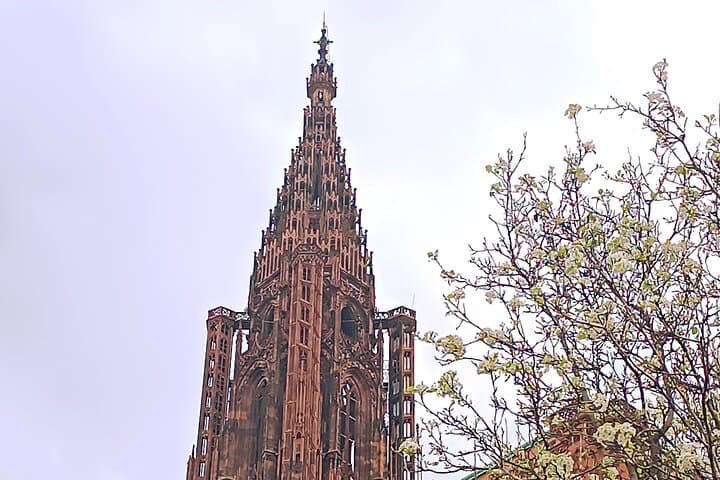
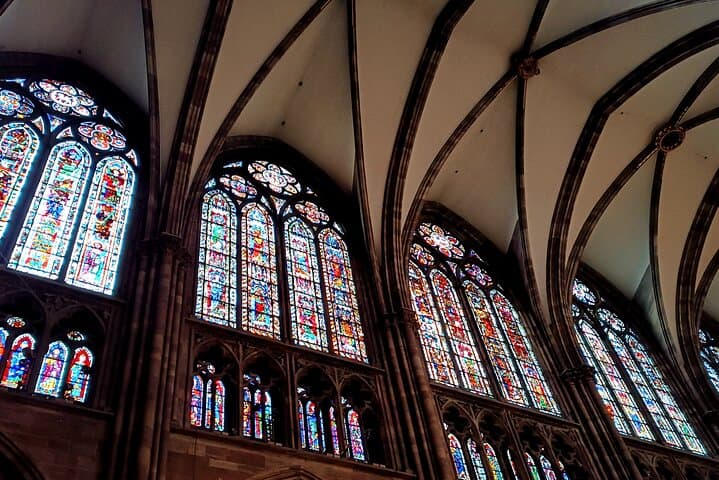
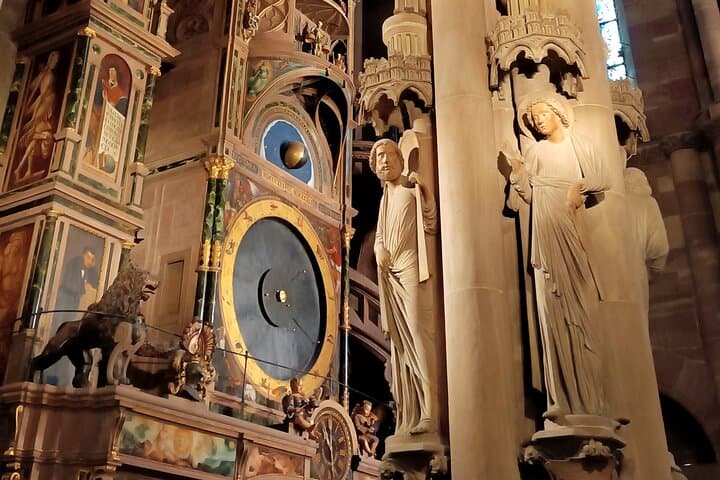
The guided visit moves from exterior sculpture to the nave, the south transept and the Pillar of Angels, tracing construction phases that span Romanesque beginnings through High Gothic refinements. Strasbourg’s cathedral, long the tallest building in medieval Europe, reflects the region’s shifting borders: French, German, and local civic influences that left marks on ornament, restoration choices and liturgical objects like the famous astronomical clock.
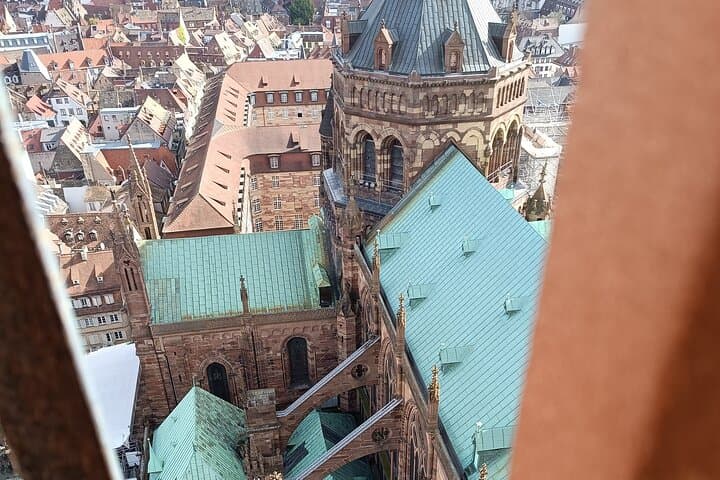
Geology shows in the warm pink sandstone quarried nearby; time and pollution have softened details and prompted repeated conservation efforts. Culturally, the cathedral remains a civic focal point — a stage for festivals, organ recitals and the city’s famed Christmas market.
Practically, the 90‑minute, guide-led tour covers interior highlights and exterior sculptural programs; audiophones are provided and the meeting point is the Musée de l’Œuvre Notre-Dame entrance. Expect some standing, step-ups within the nave, and variable waits during high season or Christmas market weeks. Photography is allowed but be respectful during services. Wear comfortable shoes for stone floors, dress in layers — the interior stays cool year-round — and arrive 10–15 minutes early with a mobile ticket ready. For visitors with accessibility needs the route is advertised as wheelchair accessible, but confirm any special assistance at booking.
easy.
1–2 hours.
Suitable for most fitness levels; involves standing and short steps but no technical exertion.
Yes — the itinerary specifies that admission is included and audiophones are provided for the 90‑minute guided tour.
The listing notes wheelchair accessibility for surfaces and transportation; contact the operator ahead of time to confirm any specific assistance needs.
This guided visit focuses on interior highlights and exterior sculpture; tower access is typically separate and may not be included—ask the operator when booking.
Language availability can vary by departure; confirm the tour language at booking or request a specific language when you reserve.
Construction began in the 12th century and evolved over centuries into a High Gothic masterpiece that served as a civic and religious landmark through changing national borders.
The cathedral’s pink sandstone is vulnerable to weathering and pollution, so conservation projects and visitor regulations aim to minimize impact and preserve carved details.
MY CATHEDRALE operates guided outdoor trips and adventures with an emphasis on safety, stewardship, and memorable experiences.
A late-morning light slips between the cathedral’s flying buttresses, striking the carved faces on the west façade and throwing the stonework into stark relief. Standing at the entrance by the Musée de l’Œuvre Notre-Dame, the guide unfolds nine centuries of craft and conflict — a city’s passions rendered in stone.
A late-morning light slips between the cathedral’s flying buttresses, striking the carved faces on the west façade and throwing the stonework into stark relief. Standing at the entrance by the Musée de l’Œuvre Notre-Dame, the guide unfolds nine centuries of craft and conflict — a city’s passions rendered in stone.
The guided visit moves from exterior sculpture to the nave, the south transept and the Pillar of Angels, tracing construction phases that span Romanesque beginnings through High Gothic refinements. Strasbourg’s cathedral, long the tallest building in medieval Europe, reflects the region’s shifting borders: French, German, and local civic influences that left marks on ornament, restoration choices and liturgical objects like the famous astronomical clock.
Geology shows in the warm pink sandstone quarried nearby; time and pollution have softened details and prompted repeated conservation efforts. Culturally, the cathedral remains a civic focal point — a stage for festivals, organ recitals and the city’s famed Christmas market.
Practically, the 90‑minute, guide-led tour covers interior highlights and exterior sculptural programs; audiophones are provided and the meeting point is the Musée de l’Œuvre Notre-Dame entrance. Expect some standing, step-ups within the nave, and variable waits during high season or Christmas market weeks. Photography is allowed but be respectful during services. Wear comfortable shoes for stone floors, dress in layers — the interior stays cool year-round — and arrive 10–15 minutes early with a mobile ticket ready. For visitors with accessibility needs the route is advertised as wheelchair accessible, but confirm any special assistance at booking.