THE ADVENTURE COLLECTIVE® · Independent discovery and booking for outdoor travel

Explore Strahov Monastery’s famous library and gallery on a guided walk through Prague’s Hradčany district. Discover frescoed halls, rare manuscripts, and panoramic terrace views while learning the site’s layered history and practical visiting tips.
Explore Strahov Monastery’s famous library and gallery on a guided walk through Prague’s Hradčany district. Discover frescoed halls, rare manuscripts, and panoramic terrace views while learning the site’s layered history and practical visiting tips.
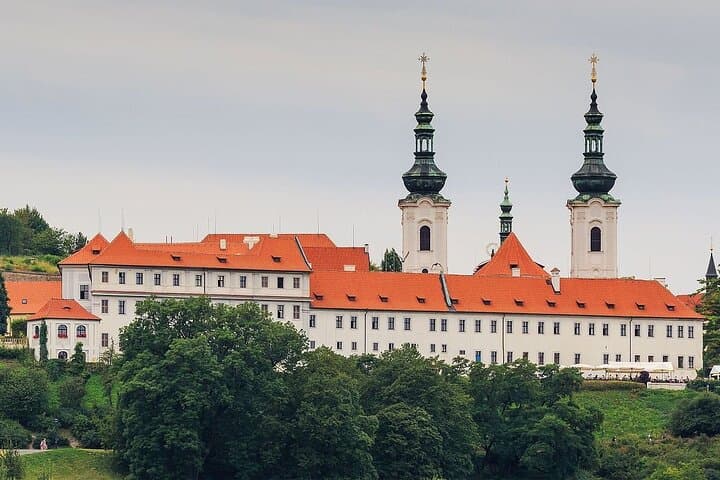
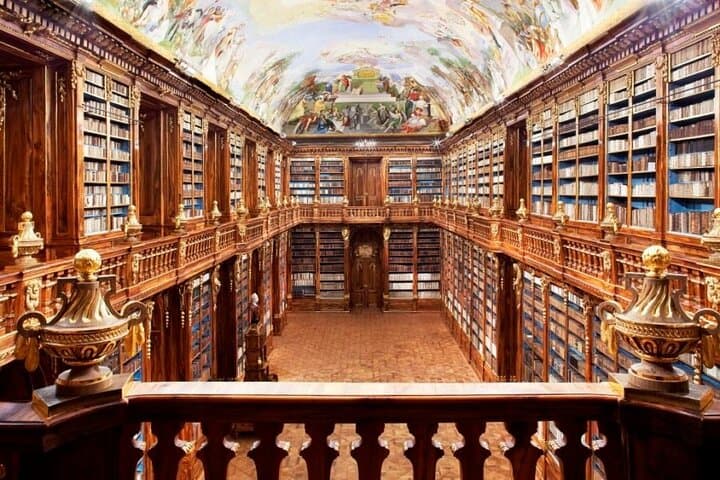
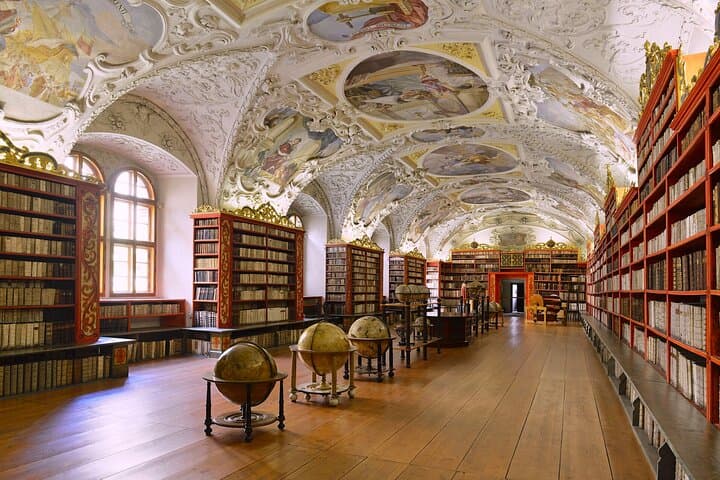
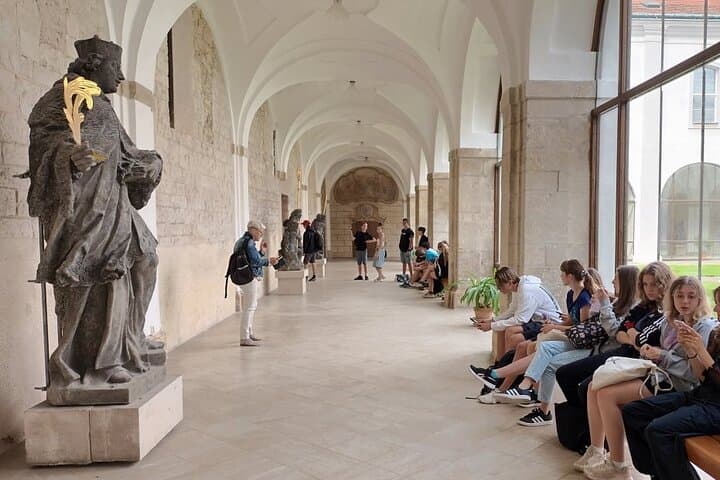
A low sun slides across Hradčany Square, throwing the Baroque façades into crisp relief as the guide leads the group toward the stone steps of Strahov Monastery. The city unfolds below: red roofs, the Vltava’s sheen, and a horizon of spires. Inside, the Philosophical and Theological Halls open like chapters—frescoed ceilings, carved oak, and shelves heavy with manuscripts that have survived fires, reforms, and empire.
Verified experiences and guided adventures in the surrounding area.
Operated by ToursWithSoul · Prague, Prague
A low sun slides across Hradčany Square, throwing the Baroque façades into crisp relief as the guide leads the group toward the stone steps of Strahov Monastery. The city unfolds below: red roofs, the Vltava’s sheen, and a horizon of spires. Inside, the Philosophical and Theological Halls open like chapters—frescoed ceilings, carved oak, and shelves heavy with manuscripts that have survived fires, reforms, and empire.
Founded in the 12th century, Strahov has been a center of learning and art for centuries. The monastery’s architecture traces Prague’s Baroque surge while the Gallery houses works that chart Central Europe’s artistic shifts. Geologically, the complex sits on the slopes above the Vltava, a vantage that gives historical observers literal elevation over the city’s development. Culturally, the site remains entwined with Czech religious history and the long custodial work of monastic orders.
Practical details matter: tours typically run 3–4 hours, include entrance fees, and are suitable for most fitness levels though expect stairs and narrow passages. Photography restrictions are commonly enforced in the library; silence is required to protect fragile books. Visit early or late afternoon to reduce crowds and catch the terrace view at golden hour.
Bring comfortable shoes, a light layer for cooler interior vaults, and a compact daypack. Public transport connects easily to Hradčany Square; plan for a short uphill walk. Respect signage, avoid flash photography, and allow time to linger in the Cabinet of Curiosities or the monastery brewery for a local finish to the visit.
easy.
3–4 hours.
Suitable for most visitors who can manage short uphill walks and staircases; not strenuous.
Yes; the tour listing includes entrance fees to the Strahov Library and monastery galleries as part of the booking.
Photography rules vary; many venues prohibit flash and sometimes any photography—confirm with your guide on arrival.
The tour is rated easy but includes stairs and historic passages; accessibility is limited—contact the operator to discuss specific needs.
Multiple tram and bus lines serve the Hradčany/Prague Castle area; from central Prague it’s a short tram ride followed by a brief uphill walk to the monastery.
Strahov Abbey dates to 1143 and has served as a religious, educational, and cultural center through Bohemia’s medieval and modern eras.
The library and galleries limit visitor behavior (no flash, quiet zones) to protect manuscripts and frescoes; follow guide instructions to minimize wear on historic interiors.
ToursWithSoul operates guided outdoor trips and adventures with an emphasis on safety, stewardship, and memorable experiences.
A low sun slides across Hradčany Square, throwing the Baroque façades into crisp relief as the guide leads the group toward the stone steps of Strahov Monastery. The city unfolds below: red roofs, the Vltava’s sheen, and a horizon of spires. Inside, the Philosophical and Theological Halls open like chapters—frescoed ceilings, carved oak, and shelves heavy with manuscripts that have survived fires, reforms, and empire.
A low sun slides across Hradčany Square, throwing the Baroque façades into crisp relief as the guide leads the group toward the stone steps of Strahov Monastery. The city unfolds below: red roofs, the Vltava’s sheen, and a horizon of spires. Inside, the Philosophical and Theological Halls open like chapters—frescoed ceilings, carved oak, and shelves heavy with manuscripts that have survived fires, reforms, and empire.
Founded in the 12th century, Strahov has been a center of learning and art for centuries. The monastery’s architecture traces Prague’s Baroque surge while the Gallery houses works that chart Central Europe’s artistic shifts. Geologically, the complex sits on the slopes above the Vltava, a vantage that gives historical observers literal elevation over the city’s development. Culturally, the site remains entwined with Czech religious history and the long custodial work of monastic orders.
Practical details matter: tours typically run 3–4 hours, include entrance fees, and are suitable for most fitness levels though expect stairs and narrow passages. Photography restrictions are commonly enforced in the library; silence is required to protect fragile books. Visit early or late afternoon to reduce crowds and catch the terrace view at golden hour.
Bring comfortable shoes, a light layer for cooler interior vaults, and a compact daypack. Public transport connects easily to Hradčany Square; plan for a short uphill walk. Respect signage, avoid flash photography, and allow time to linger in the Cabinet of Curiosities or the monastery brewery for a local finish to the visit.