THE ADVENTURE COLLECTIVE® · Independent discovery and booking for outdoor travel

Walk the Reeperbahn with a private guide who connects neon-lined streets to Hamburg’s port history, music legacy, and local culture. This two-hour tour focuses on the real stories behind St. Pauli’s nightlife and evolving identity.
Walk the Reeperbahn with a private guide who connects neon-lined streets to Hamburg’s port history, music legacy, and local culture. This two-hour tour focuses on the real stories behind St. Pauli’s nightlife and evolving identity.
You step off the U-Bahn into Reeperbahn’s neon glow and the city shifts around you — a street that talks back, daring you to look closer. For two hours a local guide threads together alleys, facades, and the music venues where The Beatles sharpened their early sound, tracing the district’s pulse from port-side grit to contemporary nightlife.
Verified experiences and guided adventures in the surrounding area.
Operated by Europe prime tours · Hamburg, Hamburg
You step off the U-Bahn into Reeperbahn’s neon glow and the city shifts around you — a street that talks back, daring you to look closer. For two hours a local guide threads together alleys, facades, and the music venues where The Beatles sharpened their early sound, tracing the district’s pulse from port-side grit to contemporary nightlife.
St. Pauli began as a fishing and sailors’ quarter on the banks of the Elbe; the harbor shaped its economy and identity. The area’s brick architecture and the 1911 St. Pauli Elbtunnel speak to Hamburg’s industrial past, while murals and club marquees record waves of cultural change — from early 20th-century cabaret to postwar music scenes and modern street art.
A private walking tour focuses on human stories: the labor and legislation that marked its sex-work history, efforts to protect local communities, and the paradox of preservation amid nightlife-driven redevelopment. Guides often pause at Hans-Albers-Platz, the old police station, and besides clubs like the Indra, giving context rather than a bar crawl.
Practically: expect two hours of mostly flat, paved walking with short stops. Wear comfortable shoes, carry a charged phone for photos and navigation, and be prepared for crowds after dark. Respect private spaces and the local community; photography around performers and workers requires discretion. Public transport links are excellent — the S- and U-Bahn get you there quickly — so plan to arrive early if you want quieter streets or stay later if you prefer the full evening atmosphere.
easy.
2 hours.
Basic urban mobility: able to stand and walk on paved streets for two hours.
Yes; the walking is easy, but content covers adult-oriented history — judgment on suitability is up to guardians.
This is primarily a walking and storytelling tour; interior visits are rare and depend on opening hours and your group’s preferences.
St. Pauli is a lively district with a tourist presence and regular policing, but standard urban precautions apply: stay with your group and avoid isolated areas late at night.
You can photograph architecture and public art, but be respectful around people; some subjects require consent.
St. Pauli grew from a sailors’ and fishing neighborhood into a nightlife district shaped by the harbor, the early 20th-century Elbtunnel, and a music scene that launched acts like The Beatles.
Tour operators emphasize respectful, low-impact visits that support local businesses and protect the privacy and safety of residents and workers. Avoid littering and follow guide instructions to minimize disruption.
Europe prime tours operates guided outdoor trips and adventures with an emphasis on safety, stewardship, and memorable experiences.

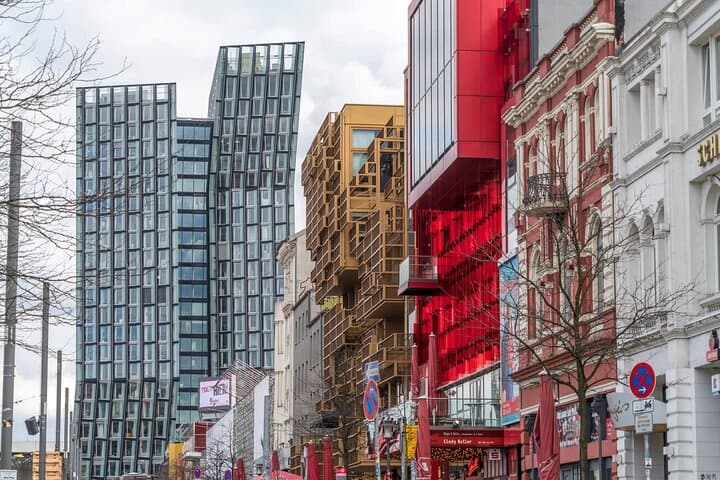
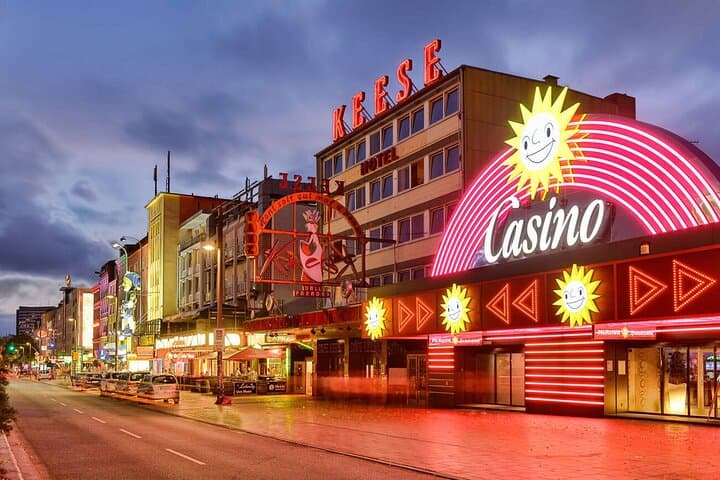
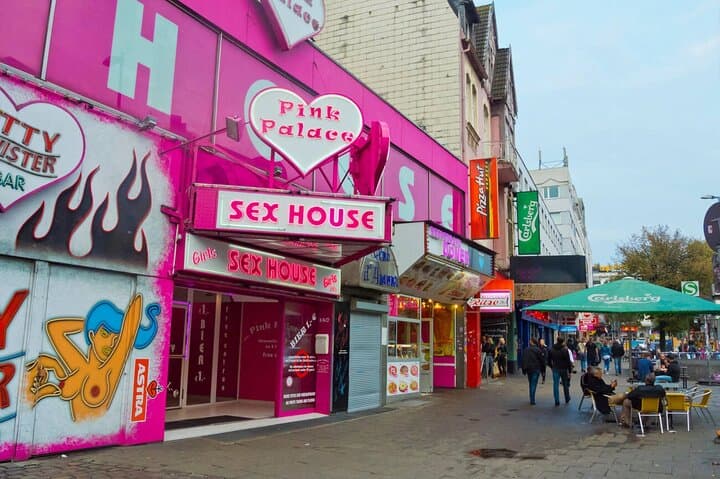
You step off the U-Bahn into Reeperbahn’s neon glow and the city shifts around you — a street that talks back, daring you to look closer. For two hours a local guide threads together alleys, facades, and the music venues where The Beatles sharpened their early sound, tracing the district’s pulse from port-side grit to contemporary nightlife.
You step off the U-Bahn into Reeperbahn’s neon glow and the city shifts around you — a street that talks back, daring you to look closer. For two hours a local guide threads together alleys, facades, and the music venues where The Beatles sharpened their early sound, tracing the district’s pulse from port-side grit to contemporary nightlife.
St. Pauli began as a fishing and sailors’ quarter on the banks of the Elbe; the harbor shaped its economy and identity. The area’s brick architecture and the 1911 St. Pauli Elbtunnel speak to Hamburg’s industrial past, while murals and club marquees record waves of cultural change — from early 20th-century cabaret to postwar music scenes and modern street art.
A private walking tour focuses on human stories: the labor and legislation that marked its sex-work history, efforts to protect local communities, and the paradox of preservation amid nightlife-driven redevelopment. Guides often pause at Hans-Albers-Platz, the old police station, and besides clubs like the Indra, giving context rather than a bar crawl.
Practically: expect two hours of mostly flat, paved walking with short stops. Wear comfortable shoes, carry a charged phone for photos and navigation, and be prepared for crowds after dark. Respect private spaces and the local community; photography around performers and workers requires discretion. Public transport links are excellent — the S- and U-Bahn get you there quickly — so plan to arrive early if you want quieter streets or stay later if you prefer the full evening atmosphere.