THE ADVENTURE COLLECTIVE® · Independent discovery and booking for outdoor travel

Step through the gate at 3421 Esplanade Avenue and follow a local historian through 90 minutes of tombs, scandals, and architectural oddities. Learn why New Orleans buries above ground and what the stones reveal about the city’s past.
Step through the gate at 3421 Esplanade Avenue and follow a local historian through 90 minutes of tombs, scandals, and architectural oddities. Learn why New Orleans buries above ground and what the stones reveal about the city’s past.
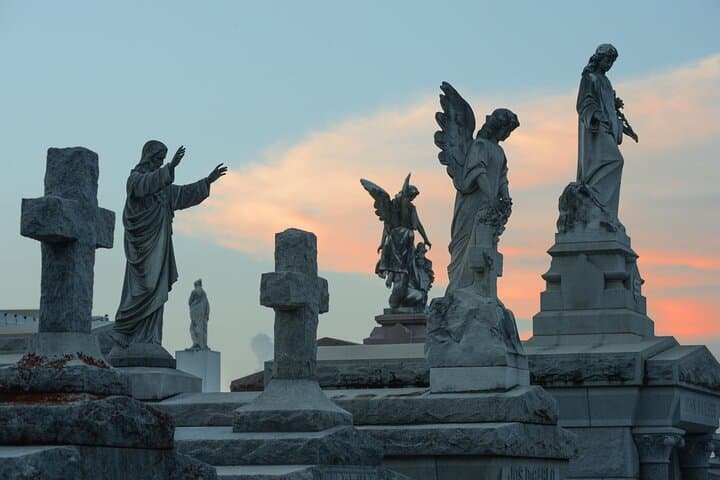
You step through an iron gate on Esplanade Avenue and the city shifts: live oaks shade narrow alleys of above-ground tombs, and the air smells faintly of magnolia and old stone. For the next 90 minutes an award-winning local historian leads you down a half-mile of paved paths where headstones lean like whispered secrets and angels seem to watch the sunlight move across carved names.
Verified experiences and guided adventures in the surrounding area.
Operated by Red Sash Tours · New Orleans, Louisiana
You step through an iron gate on Esplanade Avenue and the city shifts: live oaks shade narrow alleys of above-ground tombs, and the air smells faintly of magnolia and old stone. For the next 90 minutes an award-winning local historian leads you down a half-mile of paved paths where headstones lean like whispered secrets and angels seem to watch the sunlight move across carved names.
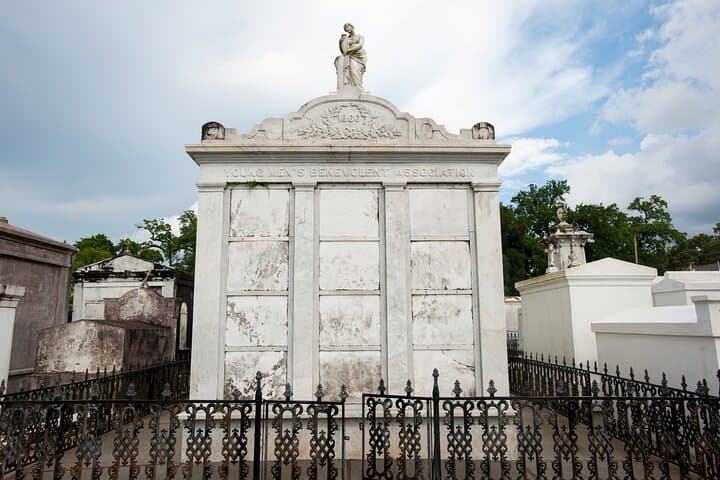
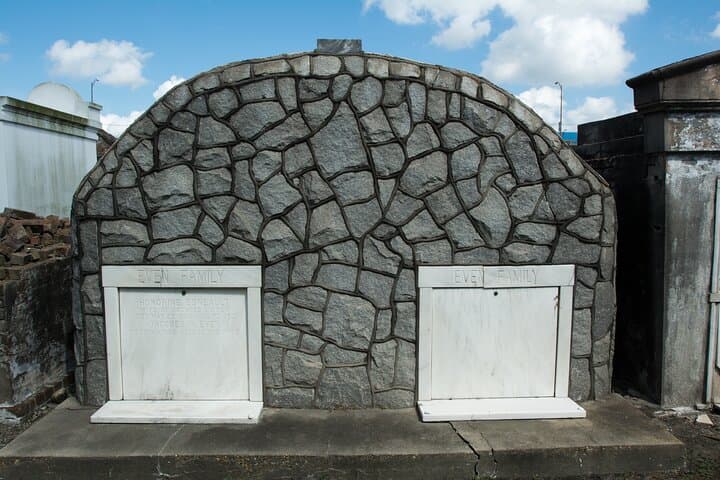
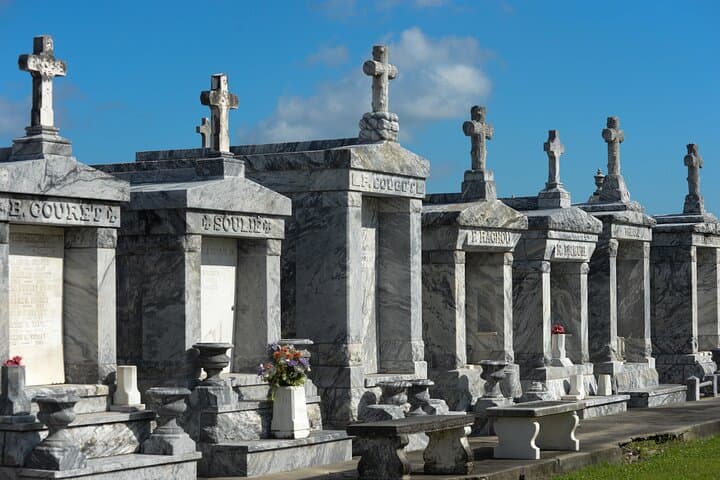
St. Louis Cemetery No. 3 dates from the 19th century, a continuation of New Orleans’ above-ground burial tradition driven by high water tables. Tomb types here range from simple family vaults to ornate monuments that reflect the city’s Creole, French, and American past. The tour threads biography and urban lore—photographers, chefs, architects—and highlights how civic life, funerary art, and the city’s fraught social history intersect in stone.
Geology is a quiet actor: porous limestone and imported brick sit atop swampy alluvium, which is why vaults rise above grade. Culturally, the walk is a reminder that New Orleans preserves memory publicly—grief and celebration carved in marble, gilded crosses keeping civic stories visible.
Practically: the route is short but mostly standing and slow-paced; wear sturdy shoes and bring water. Photography is common but follow the guide’s direction—some family plots are sensitive. Expect humidity in summer and cooler breezes in winter evenings. The guide also shares local tips for nearby Creole restaurants and music spots if you want to extend the afternoon.
easy.
1–1.5 hours.
Suitable for most fitness levels; requires standing and slow walking for about 90 minutes.
The tour notes indicate wheelchair and stroller accessibility for main paths, but some tighter areas and steps may limit full access—contact the operator if you need accommodations.
Yes; photography is generally allowed, but guides will point out sensitive family plots or restricted areas—respect signage and instructions.
The guided experience lasts about 90 minutes and covers roughly half a mile at a slow, interpretive pace.
The tour offers free cancellation up to 24 hours before departure for a full refund; check your booking confirmation for specifics.
St. Louis Cemetery No. 3 was established in the 19th century as New Orleans expanded; its above-ground tombs reflect burial practices adapted to the city’s low-lying geology and multicultural population.
Tomb conservation is ongoing and fragile—visitors are asked to avoid touching masonry, stay on paths, and follow guide rules to limit wear and vandalism.
Red Sash Tours operates guided outdoor trips and adventures with an emphasis on safety, stewardship, and memorable experiences.
You step through an iron gate on Esplanade Avenue and the city shifts: live oaks shade narrow alleys of above-ground tombs, and the air smells faintly of magnolia and old stone. For the next 90 minutes an award-winning local historian leads you down a half-mile of paved paths where headstones lean like whispered secrets and angels seem to watch the sunlight move across carved names.
You step through an iron gate on Esplanade Avenue and the city shifts: live oaks shade narrow alleys of above-ground tombs, and the air smells faintly of magnolia and old stone. For the next 90 minutes an award-winning local historian leads you down a half-mile of paved paths where headstones lean like whispered secrets and angels seem to watch the sunlight move across carved names.
St. Louis Cemetery No. 3 dates from the 19th century, a continuation of New Orleans’ above-ground burial tradition driven by high water tables. Tomb types here range from simple family vaults to ornate monuments that reflect the city’s Creole, French, and American past. The tour threads biography and urban lore—photographers, chefs, architects—and highlights how civic life, funerary art, and the city’s fraught social history intersect in stone.
Geology is a quiet actor: porous limestone and imported brick sit atop swampy alluvium, which is why vaults rise above grade. Culturally, the walk is a reminder that New Orleans preserves memory publicly—grief and celebration carved in marble, gilded crosses keeping civic stories visible.
Practically: the route is short but mostly standing and slow-paced; wear sturdy shoes and bring water. Photography is common but follow the guide’s direction—some family plots are sensitive. Expect humidity in summer and cooler breezes in winter evenings. The guide also shares local tips for nearby Creole restaurants and music spots if you want to extend the afternoon.