THE ADVENTURE COLLECTIVE® · Independent discovery and booking for outdoor travel

Explore a compact but vividly staged Medieval Torture Museum in downtown St. Augustine, then switch gears with an AR ghost-hunt and a Tiny Art Gallery. This 1–2 hour experience mixes history, theatrical displays and tech-driven interaction.
Explore a compact but vividly staged Medieval Torture Museum in downtown St. Augustine, then switch gears with an AR ghost-hunt and a Tiny Art Gallery. This 1–2 hour experience mixes history, theatrical displays and tech-driven interaction.
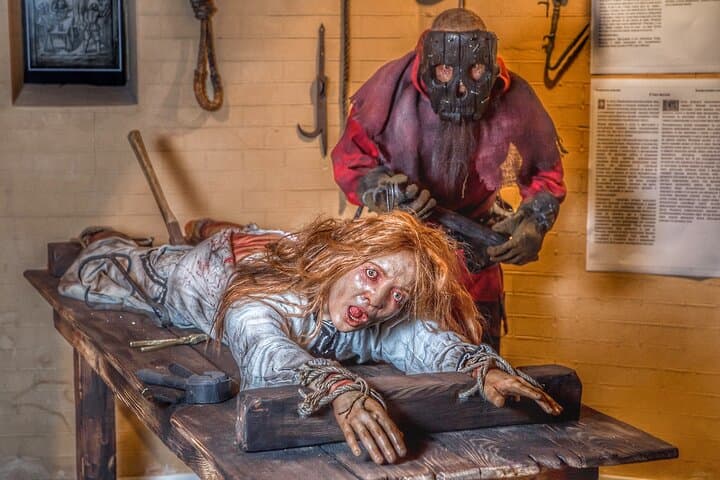
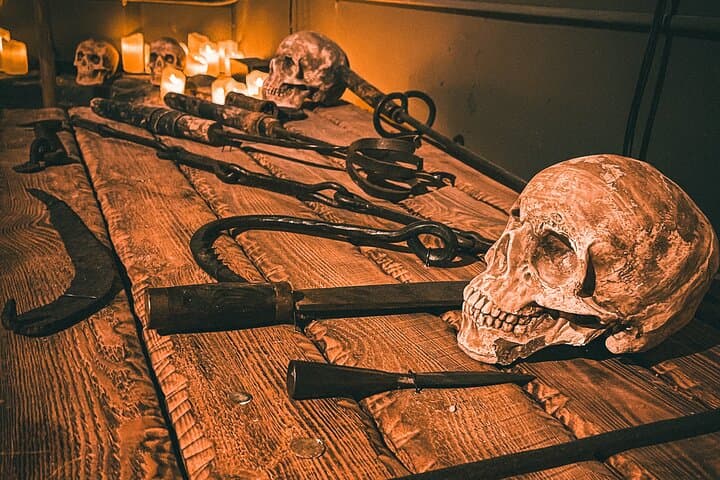
Stepping through the museum's heavy doorway on historic St. George Street feels like crossing a threshold in time: dim cases, iron implements polished by light, and an audio guide that places a modern voice beside medieval law. The Medieval Torture Museum in St. Augustine pairs a brisk, audio-led museum route with an AR-driven ghost-hunting overlay and a compact Tiny Art Gallery that rewards a slower, curious eye.
Verified experiences and guided adventures in the surrounding area.
Operated by Medieval Torture Museum · St. Augustine, Florida
Stepping through the museum's heavy doorway on historic St. George Street feels like crossing a threshold in time: dim cases, iron implements polished by light, and an audio guide that places a modern voice beside medieval law. The Medieval Torture Museum in St. Augustine pairs a brisk, audio-led museum route with an AR-driven ghost-hunting overlay and a compact Tiny Art Gallery that rewards a slower, curious eye.
St. Augustine itself is the oldest continuously occupied European-founded settlement in the continental U.S.; the museum threads that civic history to broader medieval legal practices and penal culture. Geologically the city sits on coquina bedrock—soft, pale shellstone quarried for colonial forts—so the museum's downtown location has long been shaped by tides of commerce and tourism. Culturally, this is a downtown attraction that leans theatrical: interpretive panels, replica instruments, and an augmented-reality hunt that introduces a playful paranormal element rather than hard evidence of the supernatural.
For planning: expect a 60–120 minute visit, audio guides in English and Spanish, and AR content you access on your phone. The exhibit is wheelchair- and stroller-accessible, but it carries content warnings and is recommended for adults; children under 18 should attend with a parent. Last check-in is 30 minutes before closing. Tickets are mobile-friendly and refundable with 24-hour notice. Practical tips: go early to avoid crowds on weekends, carry headphones for the audio guide, and pair the visit with a walk along St. George Street or a stop at nearby Colonial-era sites for context.
easy.
1–2 hours.
No special fitness required; accessible for most visitors
Plan for 60–120 minutes depending on how long you spend with exhibits and the Tiny Art Gallery.
The exhibit contains graphic depictions and is not recommended for children under 18 without an accompanying adult; children under 10 may be admitted free with a dedicated adult in some cases.
Yes—audio guides are available in English and Spanish.
Yes—the facility and its surfaces are wheelchair-accessible, but confirm any specific mobility needs with the venue ahead of time.
St. Augustine, founded in 1565, is the oldest continuously occupied European-established settlement in the continental U.S.; this museum places medieval European penal practices into a local tourist corridor of colonial history.
The museum operates within a dense historic district—visitors are asked to minimize flash photography and follow signage to protect exhibits and the downtown streetscape.
Medieval Torture Museum operates guided outdoor trips and adventures with an emphasis on safety, stewardship, and memorable experiences.

Stepping through the museum's heavy doorway on historic St. George Street feels like crossing a threshold in time: dim cases, iron implements polished by light, and an audio guide that places a modern voice beside medieval law. The Medieval Torture Museum in St. Augustine pairs a brisk, audio-led museum route with an AR-driven ghost-hunting overlay and a compact Tiny Art Gallery that rewards a slower, curious eye.
Stepping through the museum's heavy doorway on historic St. George Street feels like crossing a threshold in time: dim cases, iron implements polished by light, and an audio guide that places a modern voice beside medieval law. The Medieval Torture Museum in St. Augustine pairs a brisk, audio-led museum route with an AR-driven ghost-hunting overlay and a compact Tiny Art Gallery that rewards a slower, curious eye.
St. Augustine itself is the oldest continuously occupied European-founded settlement in the continental U.S.; the museum threads that civic history to broader medieval legal practices and penal culture. Geologically the city sits on coquina bedrock—soft, pale shellstone quarried for colonial forts—so the museum's downtown location has long been shaped by tides of commerce and tourism. Culturally, this is a downtown attraction that leans theatrical: interpretive panels, replica instruments, and an augmented-reality hunt that introduces a playful paranormal element rather than hard evidence of the supernatural.
For planning: expect a 60–120 minute visit, audio guides in English and Spanish, and AR content you access on your phone. The exhibit is wheelchair- and stroller-accessible, but it carries content warnings and is recommended for adults; children under 18 should attend with a parent. Last check-in is 30 minutes before closing. Tickets are mobile-friendly and refundable with 24-hour notice. Practical tips: go early to avoid crowds on weekends, carry headphones for the audio guide, and pair the visit with a walk along St. George Street or a stop at nearby Colonial-era sites for context.