THE ADVENTURE COLLECTIVE® · Independent discovery and booking for outdoor travel

Short, focused admission to four centuries of St. Augustine history: Spanish galleons, Timucuan culture and Flagler’s railroad legacy. Compact exhibits and accessible galleries make this an easy 30–60 minute stop while exploring historic downtown.
Short, focused admission to four centuries of St. Augustine history: Spanish galleons, Timucuan culture and Flagler’s railroad legacy. Compact exhibits and accessible galleries make this an easy 30–60 minute stop while exploring historic downtown.
You step from the humid Atlantic air into a cool, quiet room where maps and coral-stained artifacts keep time with the city outside. The St. Augustine History Museum concentrates four centuries of colonial ambition, maritime risk and local lifeways into compact exhibits: a Spanish sunken-treasure room, a reconstructed Timucuan village, and a Florida Cracker trading post that smells faintly of wood and rope.
Verified experiences and guided adventures in the surrounding area.
Operated by Historic Tours Of America · St. Augustine, Florida
You step from the humid Atlantic air into a cool, quiet room where maps and coral-stained artifacts keep time with the city outside. The St. Augustine History Museum concentrates four centuries of colonial ambition, maritime risk and local lifeways into compact exhibits: a Spanish sunken-treasure room, a reconstructed Timucuan village, and a Florida Cracker trading post that smells faintly of wood and rope.
St. Augustine is the oldest continuously occupied European-established settlement in the continental U.S., founded by the Spanish in 1565. The museum traces the shifts—Spanish, British, French and American—that shaped coastal Florida, while highlighting Indigenous Timucuan heritage and the region’s maritime geology that funneled ships and storms along the coast. The Flagler Railroad exhibit explains the late-19th-century push to connect St. Augustine to Key West and the industrial-era changes that made tourism a local economy.
Expect a compact visit: 30–60 minutes covers the main rooms, though you can linger over ship models and period tools. The layout is wheelchair- and stroller-accessible; children under five are free. Practical tip: bring a water bottle and plan this as part of a walking day around historic downtown—museums, shops and coastal viewpoints are a short stroll away. Mobile tickets are accepted and free parking is available at the nearby Old Jail lot.
The museum is best in mid-morning when light through downtown windows illuminates old maps. Whether you’re a history buff or a curious traveler, the museum turns artifacts into a clear, compact narrative of how this coastal town became a crossroads of empires and cultures.
easy.
30–60 minutes.
Suitable for all fitness levels; mostly standing and short walks
Plan 30–60 minutes for the main exhibits; allow extra time if you want to read detailed labels or combine the visit with nearby sites.
Yes—surfaces and galleries are wheelchair accessible and strollers are permitted; contact the museum for special accommodations.
Children five and under are free; standard admission applies to older children—check the museum for current pricing.
There is free parking available at the St. Augustine Old Jail lot (167 San Marco Ave) mentioned by the museum; downtown public lots and street parking are also options.
St. Augustine was founded by Pedro Menéndez de Avilés in 1565 and served as a strategic Spanish outpost; the museum traces colonial rule by Spain, Britain and the U.S., plus Indigenous Timucuan presence.
Historic-structure preservation and responsible tourism are central here; visitors are asked to respect artifacts and nearby archaeological sites to minimize wear and protect fragile shoreline features.
Historic Tours Of America operates guided outdoor trips and adventures with an emphasis on safety, stewardship, and memorable experiences.
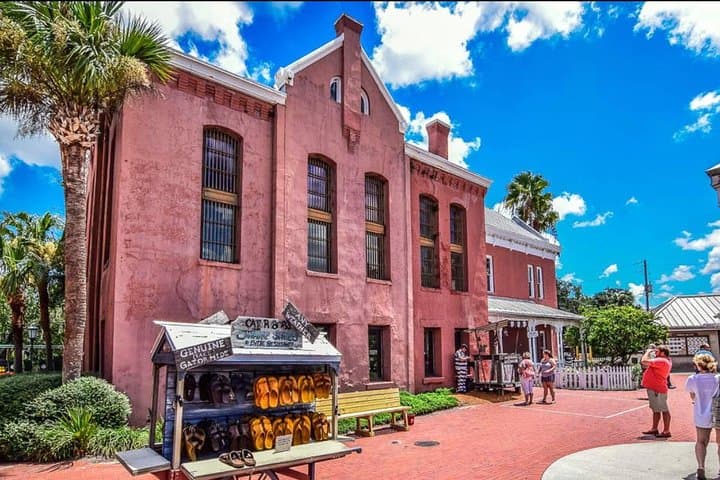
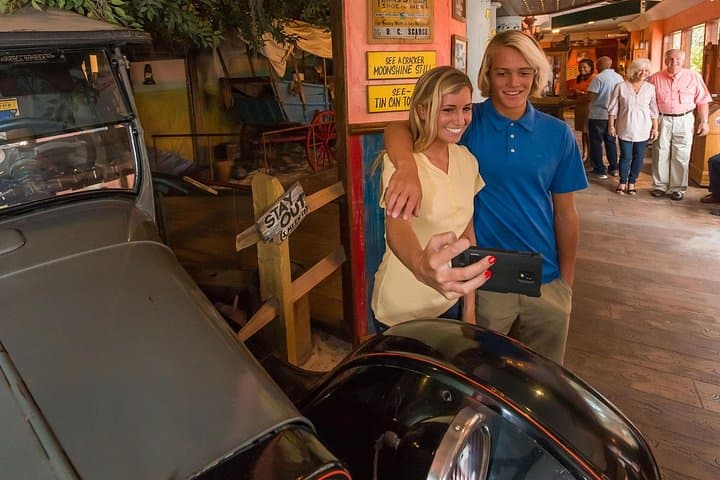
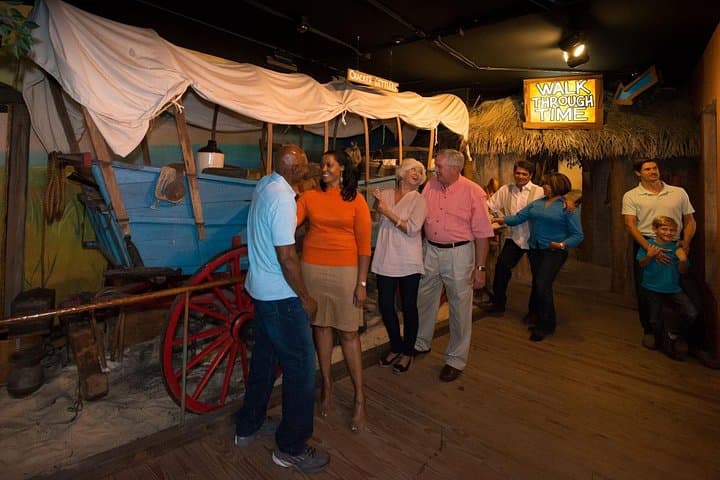
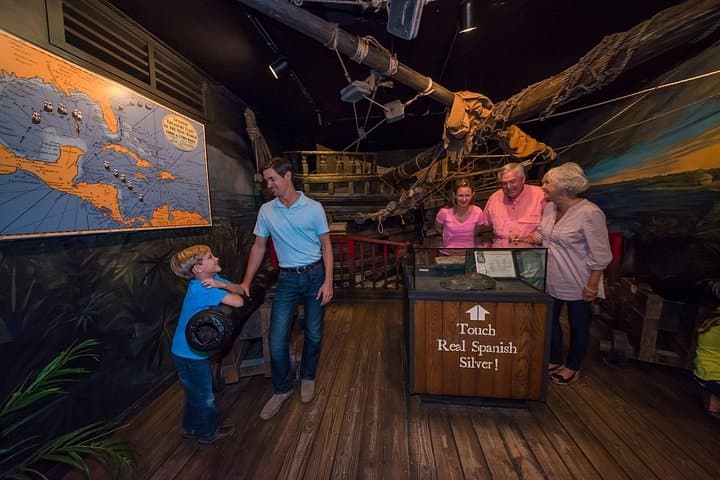
You step from the humid Atlantic air into a cool, quiet room where maps and coral-stained artifacts keep time with the city outside. The St. Augustine History Museum concentrates four centuries of colonial ambition, maritime risk and local lifeways into compact exhibits: a Spanish sunken-treasure room, a reconstructed Timucuan village, and a Florida Cracker trading post that smells faintly of wood and rope.
You step from the humid Atlantic air into a cool, quiet room where maps and coral-stained artifacts keep time with the city outside. The St. Augustine History Museum concentrates four centuries of colonial ambition, maritime risk and local lifeways into compact exhibits: a Spanish sunken-treasure room, a reconstructed Timucuan village, and a Florida Cracker trading post that smells faintly of wood and rope.
St. Augustine is the oldest continuously occupied European-established settlement in the continental U.S., founded by the Spanish in 1565. The museum traces the shifts—Spanish, British, French and American—that shaped coastal Florida, while highlighting Indigenous Timucuan heritage and the region’s maritime geology that funneled ships and storms along the coast. The Flagler Railroad exhibit explains the late-19th-century push to connect St. Augustine to Key West and the industrial-era changes that made tourism a local economy.
Expect a compact visit: 30–60 minutes covers the main rooms, though you can linger over ship models and period tools. The layout is wheelchair- and stroller-accessible; children under five are free. Practical tip: bring a water bottle and plan this as part of a walking day around historic downtown—museums, shops and coastal viewpoints are a short stroll away. Mobile tickets are accepted and free parking is available at the nearby Old Jail lot.
The museum is best in mid-morning when light through downtown windows illuminates old maps. Whether you’re a history buff or a curious traveler, the museum turns artifacts into a clear, compact narrative of how this coastal town became a crossroads of empires and cultures.