THE ADVENTURE COLLECTIVE® · Independent discovery and booking for outdoor travel

Explore Space Center Houston on a focused, full-day tour that pairs tram rides to Rocket Park and the Astronaut Training Facility with hands-on exhibits like moon rocks and historic capsules. Plan for 8 hours, 5,000 steps, and early starts to maximize tram access and shows.
Explore Space Center Houston on a focused, full-day tour that pairs tram rides to Rocket Park and the Astronaut Training Facility with hands-on exhibits like moon rocks and historic capsules. Plan for 8 hours, 5,000 steps, and early starts to maximize tram access and shows.
You step through a wide glass door and the air feels charged — not just with conditioned coolness but with the accumulated ambition of decades of spaceflight. The tour moves with a deliberate cadence: tram wheels clatter, guides point to polished engines, and the roar of imagination feels almost audible in Rocket Park.
Verified experiences and guided adventures in the surrounding area.
Operated by Houston Historical Tours - Day Tours · Houston, Texas
You step through a wide glass door and the air feels charged — not just with conditioned coolness but with the accumulated ambition of decades of spaceflight. The tour moves with a deliberate cadence: tram wheels clatter, guides point to polished engines, and the roar of imagination feels almost audible in Rocket Park.
Space Center Houston sits on the Gulf Coastal Plain near Clear Lake, an area shaped by shallow marshes and the traffic of hurricanes. The site traces to the original Manned Spacecraft Center created in the 1960s and renamed Johnson Space Center; here engineers and crews shaped Mercury, Gemini and Apollo hardware and later spacecraft for Shuttle and commercial launch partners.
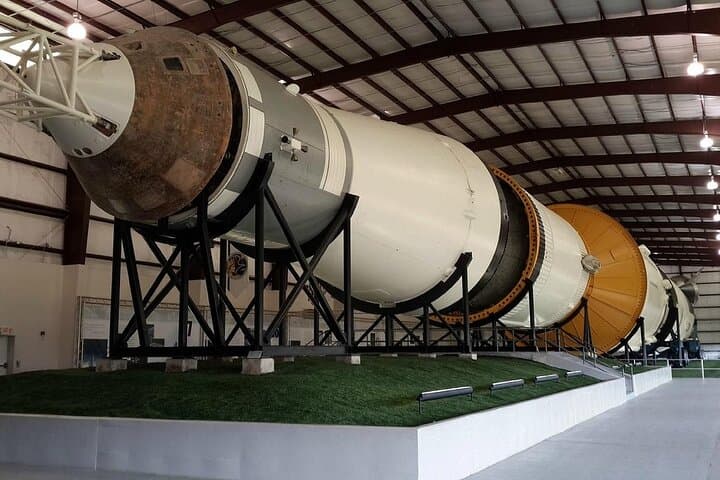
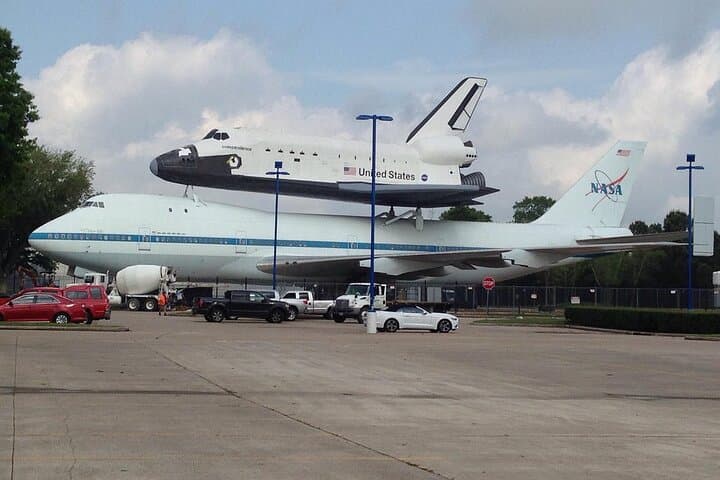
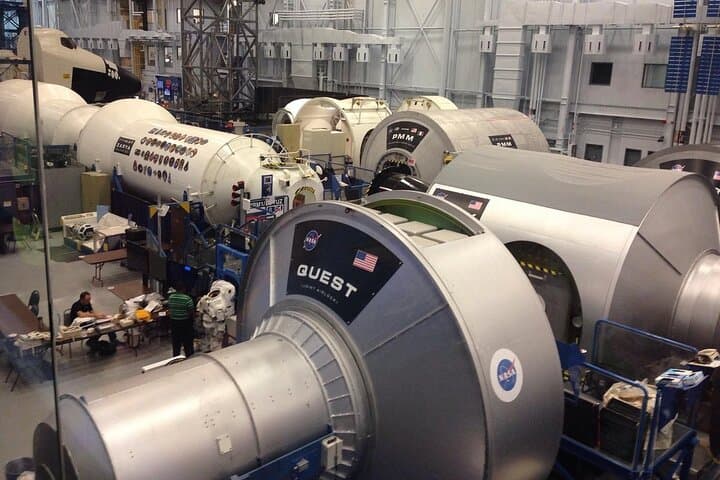
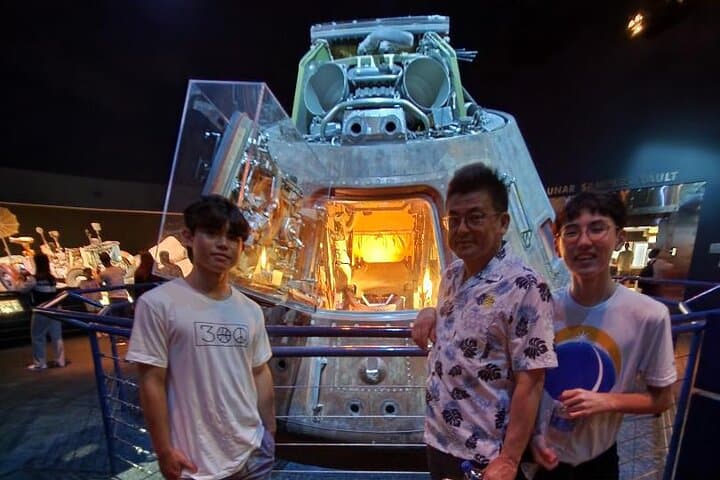
Geology is subtle but present — flat coastal soils that supported pad and ground-test infrastructure — while Houston’s multicultural workforce and aerospace contractors give the place a pragmatic, can-do culture. Exhibits mix preserved capsules, suit mockups and hands-on artifacts; tram rides extend the narrative into Rocket Park and the Astronaut Training Facility where the scale of Saturn V and shuttle hardware becomes plainly tactile.
Practically, expect about eight hours from downtown meeting to return, and roughly 5,000 steps as you move between galleries, trams and outdoor displays. Start at opening to beat lines, bring a refillable bottle and wear supportive shoes: the tour balances indoor theater shows with sun-exposed outdoor stops.
Timing matters — summer hours extend operations but raise heat and crowds — and the guided narrative connects historical mission detail to present-day work with commercial partners. For anyone curious about how rockets are designed, trained for and remembered, this is a full-day primer that couples museum storytelling with behind-the-scenes scale.
moderate.
8 hours.
Moderate fitness: able to walk several miles, handle stairs and stand through short presentations
The scheduled tour is about 8 hours including travel; expect roughly 5,000 steps moving between trams, galleries and outdoor displays.
Yes — Space Center Houston and the guided tour accommodate wheelchairs, but notify in advance for special assistance.
Children are welcome; parents should supply infant seats if needed and plan for a full day with exhibits geared to older kids and adults.
Meet at Houston City Hall (901 Bagby Street) downtown; travel to/from Space Center Houston is approximately 1.0–1.25 hours each way depending on traffic.
The Johnson Space Center began as the Manned Spacecraft Center in the 1960s and became a hub for mission control, astronaut training and spacecraft development, shaping Houston’s aerospace identity.
The center emphasizes artifact conservation and responsible visitor behavior; stay on paths, avoid flash photography in sensitive exhibits and use recycling stations where provided.
Houston Historical Tours - Day Tours operates guided outdoor trips and adventures with an emphasis on safety, stewardship, and memorable experiences.
You step through a wide glass door and the air feels charged — not just with conditioned coolness but with the accumulated ambition of decades of spaceflight. The tour moves with a deliberate cadence: tram wheels clatter, guides point to polished engines, and the roar of imagination feels almost audible in Rocket Park.
You step through a wide glass door and the air feels charged — not just with conditioned coolness but with the accumulated ambition of decades of spaceflight. The tour moves with a deliberate cadence: tram wheels clatter, guides point to polished engines, and the roar of imagination feels almost audible in Rocket Park.
Space Center Houston sits on the Gulf Coastal Plain near Clear Lake, an area shaped by shallow marshes and the traffic of hurricanes. The site traces to the original Manned Spacecraft Center created in the 1960s and renamed Johnson Space Center; here engineers and crews shaped Mercury, Gemini and Apollo hardware and later spacecraft for Shuttle and commercial launch partners.
Geology is subtle but present — flat coastal soils that supported pad and ground-test infrastructure — while Houston’s multicultural workforce and aerospace contractors give the place a pragmatic, can-do culture. Exhibits mix preserved capsules, suit mockups and hands-on artifacts; tram rides extend the narrative into Rocket Park and the Astronaut Training Facility where the scale of Saturn V and shuttle hardware becomes plainly tactile.
Practically, expect about eight hours from downtown meeting to return, and roughly 5,000 steps as you move between galleries, trams and outdoor displays. Start at opening to beat lines, bring a refillable bottle and wear supportive shoes: the tour balances indoor theater shows with sun-exposed outdoor stops.
Timing matters — summer hours extend operations but raise heat and crowds — and the guided narrative connects historical mission detail to present-day work with commercial partners. For anyone curious about how rockets are designed, trained for and remembered, this is a full-day primer that couples museum storytelling with behind-the-scenes scale.