THE ADVENTURE COLLECTIVE® · Independent discovery and booking for outdoor travel

Ride a shuttle from downtown Houston to Space Center Houston and explore Saturn V rockets, Artemis exhibits, and Mission Control insights with a NASA expert. This guided 5–7 hour visit pairs big hardware with human stories and practical tips for tram access.
Ride a shuttle from downtown Houston to Space Center Houston and explore Saturn V rockets, Artemis exhibits, and Mission Control insights with a NASA expert. This guided 5–7 hour visit pairs big hardware with human stories and practical tips for tram access.
Arriving at the pick-up point on Capitol Street, the group files into a low-roofed shuttle and the city slips behind them. Thirty miles east, the tarmac and hangar-scale exhibits of Space Center Houston wait; metal towers and the curved belly of a shuttle seem to lean forward, as if reading the arrival.
Verified experiences and guided adventures in the surrounding area.
Operated by Astroville Tours & Houston Charter Transportation · Houston, Texas
Arriving at the pick-up point on Capitol Street, the group files into a low-roofed shuttle and the city slips behind them. Thirty miles east, the tarmac and hangar-scale exhibits of Space Center Houston wait; metal towers and the curved belly of a shuttle seem to lean forward, as if reading the arrival.
The center grew out of the Johnson Space Center complex built in the 1960s to manage human missions—Mission Control guided Apollo and Shuttle flights from these rooms that still echo with clipped radio calls. Geologically the site sits on the Gulf Coastal Plain near Clear Lake and Galveston Bay, where broad, flat land and bayous shaped the logistics of large aerospace facilities.
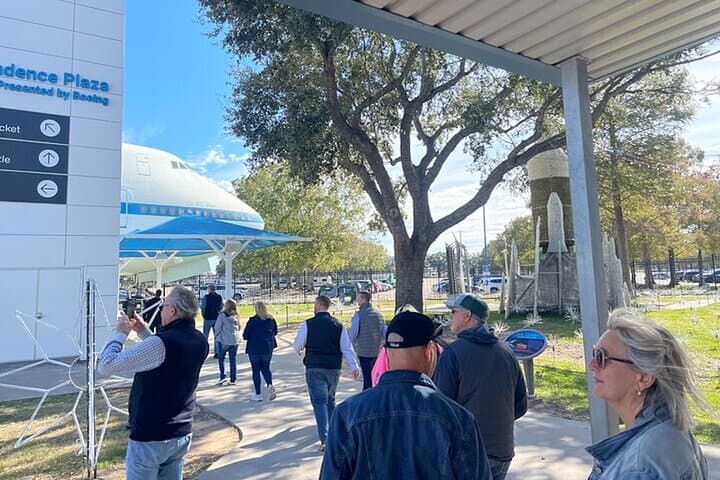
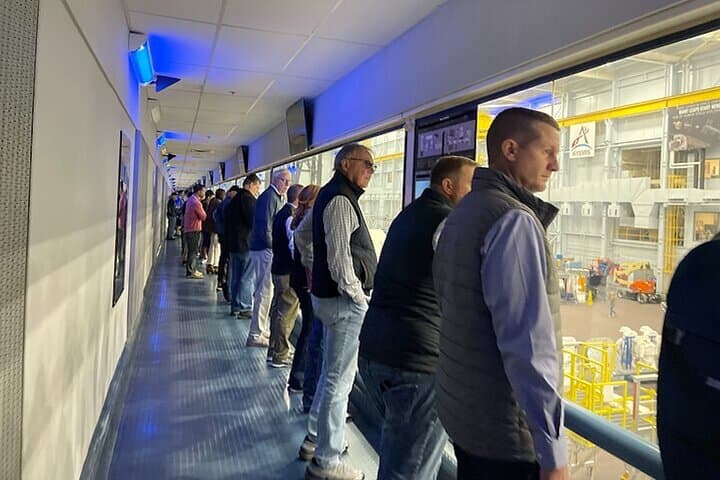
Visitors see artifacts that map culture as much as engineering: the Saturn V’s raw scale, Independence Plaza’s shuttle-and-carrier pairing, and exhibits that frame missions in the language of Houston’s identity as “Space City.” A NASA expert guide walks groups through Starship Gallery, Artemis displays, and Rocket Park, linking technical detail to personal stories of astronauts and engineers.
Practical bits matter: plan for a 5–7 hour visit, get to the downtown meeting point early, and prioritize tram reservations if you want Mission Control access. Security screens are standard; large bags may be searched. Comfortable shoes, sunscreen for outdoor Rocket Park, and a charged camera make the visit smoother. Early departures increase chance of tram slots; allow a 15-minute pickup window at the end. For travelers who want human-scale context to the hardware, this guided visit turns exhibits into a narrative of exploration and the people who made it happen.
easy.
5–7 hours.
Suitable for most fitness levels; requires several hours of walking and some standing during presentations
Meet outside the Bank of America Tower (800 Capitol St) next to the colorful Joan Miró sculpture five minutes before departure.
Tram tours are subject to NASA availability; you can reserve limited tram tickets through the Space Center’s official site or ask the operator to help in advance.
Yes—children under six require their own ticket but the visit is family-friendly; exhibits include interactive displays and astronaut presentations.
Security screening is standard—items like large tripods, certain large bags, and potentially hazardous materials are restricted; bring only essentials for a faster entry.
Space Center Houston interprets the work of Johnson Space Center, the U.S. hub for human spaceflight operations since the 1960s.
The center promotes STEM outreach and sustainability initiatives like recycling programs and educational exhibits about environmental stewardship in space and on Earth.
Astroville Tours & Houston Charter Transportation operates guided outdoor trips and adventures with an emphasis on safety, stewardship, and memorable experiences.

Arriving at the pick-up point on Capitol Street, the group files into a low-roofed shuttle and the city slips behind them. Thirty miles east, the tarmac and hangar-scale exhibits of Space Center Houston wait; metal towers and the curved belly of a shuttle seem to lean forward, as if reading the arrival.
Arriving at the pick-up point on Capitol Street, the group files into a low-roofed shuttle and the city slips behind them. Thirty miles east, the tarmac and hangar-scale exhibits of Space Center Houston wait; metal towers and the curved belly of a shuttle seem to lean forward, as if reading the arrival.
The center grew out of the Johnson Space Center complex built in the 1960s to manage human missions—Mission Control guided Apollo and Shuttle flights from these rooms that still echo with clipped radio calls. Geologically the site sits on the Gulf Coastal Plain near Clear Lake and Galveston Bay, where broad, flat land and bayous shaped the logistics of large aerospace facilities.
Visitors see artifacts that map culture as much as engineering: the Saturn V’s raw scale, Independence Plaza’s shuttle-and-carrier pairing, and exhibits that frame missions in the language of Houston’s identity as “Space City.” A NASA expert guide walks groups through Starship Gallery, Artemis displays, and Rocket Park, linking technical detail to personal stories of astronauts and engineers.
Practical bits matter: plan for a 5–7 hour visit, get to the downtown meeting point early, and prioritize tram reservations if you want Mission Control access. Security screens are standard; large bags may be searched. Comfortable shoes, sunscreen for outdoor Rocket Park, and a charged camera make the visit smoother. Early departures increase chance of tram slots; allow a 15-minute pickup window at the end. For travelers who want human-scale context to the hardware, this guided visit turns exhibits into a narrative of exploration and the people who made it happen.