THE ADVENTURE COLLECTIVE® · Independent discovery and booking for outdoor travel

Step into the Singapore National Orchid Garden and follow fragrant paths through seasonal curation and living research. This guide explains what to expect—history, practical tips, and how to make the most of a timed visit.
Step into the Singapore National Orchid Garden and follow fragrant paths through seasonal curation and living research. This guide explains what to expect—history, practical tips, and how to make the most of a timed visit.
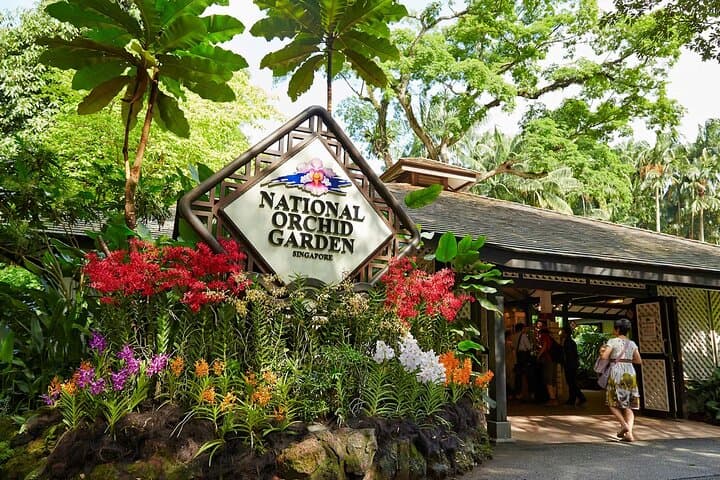
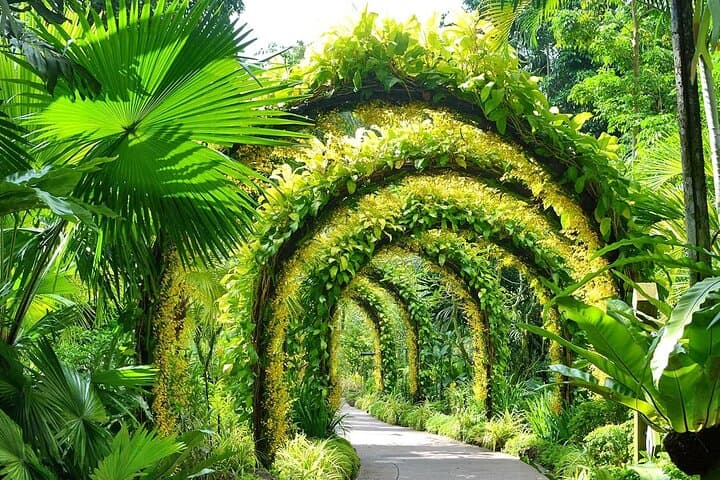
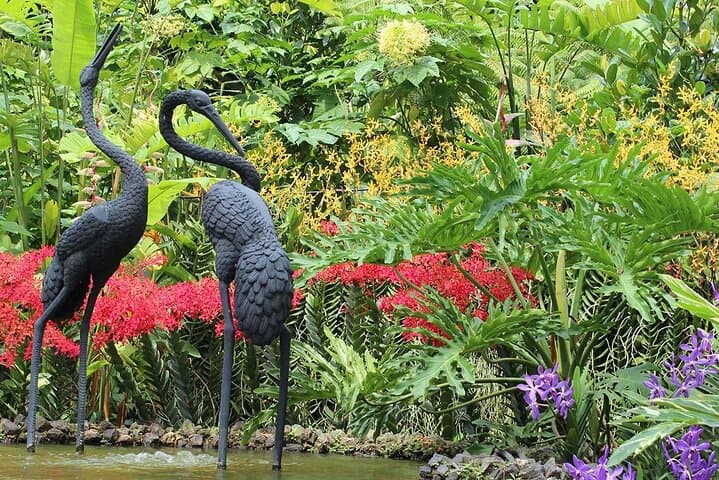
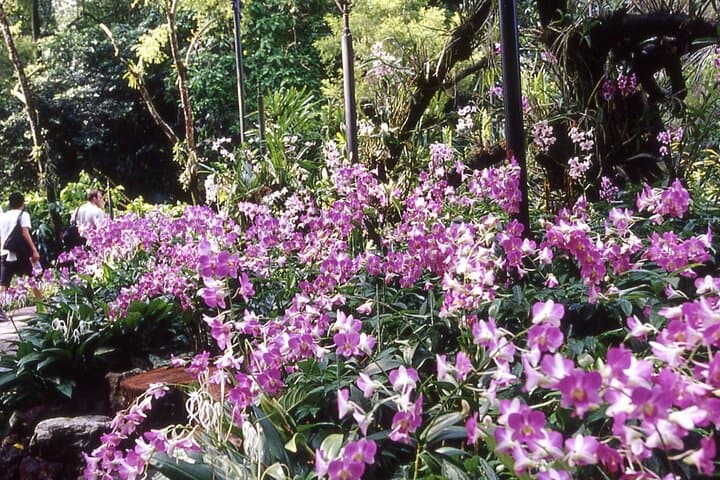
Morning light slides between tall trees and falls across a corridor of orchids, each bloom angling like a small flag toward the sun. The air carries a faint sweetness—nectar and damp soil—while shaped pathways coax you from one seasonal display to the next. You move slowly; the garden sets the pace.
Verified experiences and guided adventures in the surrounding area.
Operated by Dream Fly Tourism LLC · Singapore, Singapore
Morning light slides between tall trees and falls across a corridor of orchids, each bloom angling like a small flag toward the sun. The air carries a faint sweetness—nectar and damp soil—while shaped pathways coax you from one seasonal display to the next. You move slowly; the garden sets the pace.
The National Orchid Garden sits within the Singapore Botanic Gardens, a living institution founded in the mid-19th century and inscribed as a UNESCO World Heritage Site. The Orchid Garden itself opened in the 1990s as a curated collection focused on hybridization, conservation, and public display—over 60,000 plants arranged into spring, summer, autumn and winter-inspired zones. Geologically, the site occupies lowland tropics where managed soils and careful irrigation let delicate hybrids thrive despite Singapore’s heat and humidity.
Culturally, orchids are woven into Singapore’s identity: medals, civic gifts, and horticultural research all reflect a local reverence for these plants. Staff-run propagation programs and interpretive plaques trace breeding histories and ecological roles.
Practical guidance: expect 1–4 hours depending on pace; visit early to avoid midday humidity and crowds. Wear breathable walking shoes and bring water—paths are paved but can be slick after rain. Tickets are limited and sold for timed entry; reserve in advance. Photography is welcome, but be mindful of other visitors and do not touch or remove blooms. Plan for accessible routes nearby in the broader Botanic Gardens, though parts of the Orchid Garden are not wheelchair-friendly. With focused planning you’ll leave with better photos, a clearer sense of orchid diversity, and an appreciation for the conservation work that keeps this garden thriving.
easy.
1–4 hours.
Suitable for all fitness levels; expect mostly level walking with occasional steps.
Most visitors spend 1–2 hours; photographers and plant enthusiasts may stay up to 4 hours depending on interest and timing.
Timed tickets are recommended and often limited; purchase online in advance—on-site availability is not guaranteed.
The Botanic Gardens has accessible routes, but parts of the Orchid Garden include steps and tight paths; check with staff for best accessible entry points.
Photography for personal use is allowed, but tripods may require permission during busy periods—be considerate of other visitors.
The Singapore Botanic Gardens was established in the 1850s as a colonial-era horticultural center; the National Orchid Garden opened in the 1990s to showcase hybrid collections and conservation work.
The Orchid Garden supports ex-situ conservation and breeding programs; visitors help by not touching plants, staying on paths, and following signage to reduce impact.
Dream Fly Tourism LLC operates guided outdoor trips and adventures with an emphasis on safety, stewardship, and memorable experiences.
Morning light slides between tall trees and falls across a corridor of orchids, each bloom angling like a small flag toward the sun. The air carries a faint sweetness—nectar and damp soil—while shaped pathways coax you from one seasonal display to the next. You move slowly; the garden sets the pace.
Morning light slides between tall trees and falls across a corridor of orchids, each bloom angling like a small flag toward the sun. The air carries a faint sweetness—nectar and damp soil—while shaped pathways coax you from one seasonal display to the next. You move slowly; the garden sets the pace.
The National Orchid Garden sits within the Singapore Botanic Gardens, a living institution founded in the mid-19th century and inscribed as a UNESCO World Heritage Site. The Orchid Garden itself opened in the 1990s as a curated collection focused on hybridization, conservation, and public display—over 60,000 plants arranged into spring, summer, autumn and winter-inspired zones. Geologically, the site occupies lowland tropics where managed soils and careful irrigation let delicate hybrids thrive despite Singapore’s heat and humidity.
Culturally, orchids are woven into Singapore’s identity: medals, civic gifts, and horticultural research all reflect a local reverence for these plants. Staff-run propagation programs and interpretive plaques trace breeding histories and ecological roles.
Practical guidance: expect 1–4 hours depending on pace; visit early to avoid midday humidity and crowds. Wear breathable walking shoes and bring water—paths are paved but can be slick after rain. Tickets are limited and sold for timed entry; reserve in advance. Photography is welcome, but be mindful of other visitors and do not touch or remove blooms. Plan for accessible routes nearby in the broader Botanic Gardens, though parts of the Orchid Garden are not wheelchair-friendly. With focused planning you’ll leave with better photos, a clearer sense of orchid diversity, and an appreciation for the conservation work that keeps this garden thriving.