THE ADVENTURE COLLECTIVE® · Independent discovery and booking for outdoor travel

Walk corridors where Georgian-era prisoners once paced and hear first-hand accounts from guides with direct experience. This 90-minute guided tour uncovers life, punishment and the architecture of Shrewsbury Prison.
Walk corridors where Georgian-era prisoners once paced and hear first-hand accounts from guides with direct experience. This 90-minute guided tour uncovers life, punishment and the architecture of Shrewsbury Prison.
You step through a heavy gate and the town's bustle falls away — stone corridors, iron grated windows and the muffled echo of footsteps set the tempo. Light slices across cold flagstones; a guide's voice fills the passage with names, dates and the routines of people who lived and died within these walls.
Verified experiences and guided adventures in the surrounding area.
Operated by Shrewsbury Prison · Shrewsbury, Shropshire
You step through a heavy gate and the town's bustle falls away — stone corridors, iron grated windows and the muffled echo of footsteps set the tempo. Light slices across cold flagstones; a guide's voice fills the passage with names, dates and the routines of people who lived and died within these walls.
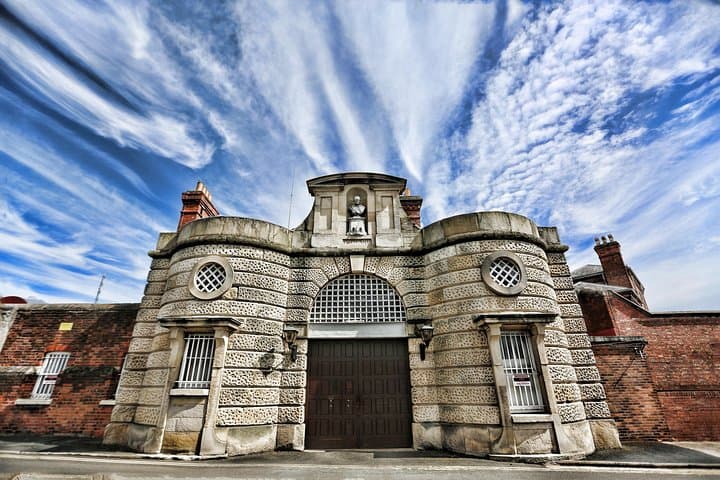
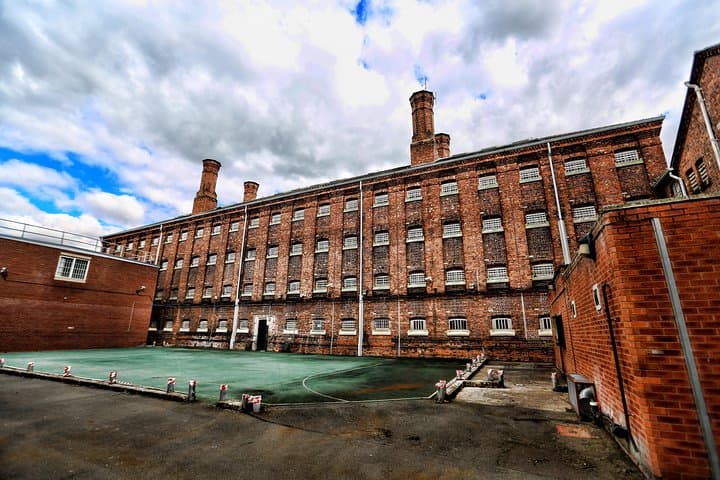
Built in the late 18th century, Shrewsbury Prison was a working gaol for over two centuries. Its Georgian radial plan, robust masonry and layered adaptations trace changes in penal theory from public corporal punishment to Victorian reform and the era of incarceration. The site sits on raised ground near Abbey Foregate, where local industry and river trade helped shape Shrewsbury's growth; its presence influenced town policing and legal practice for generations.
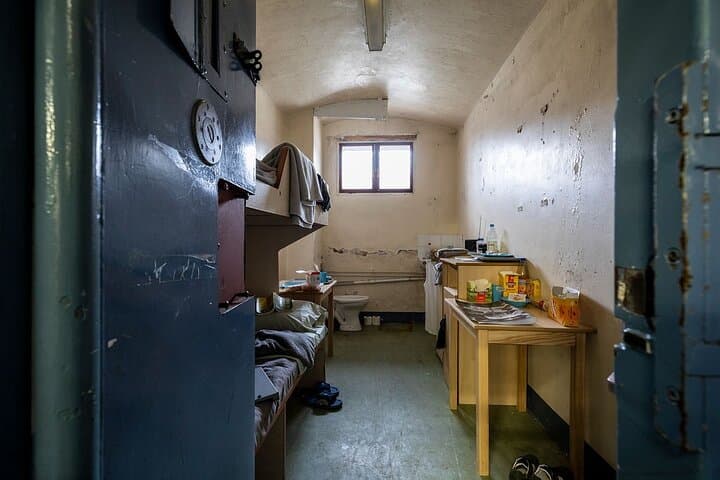
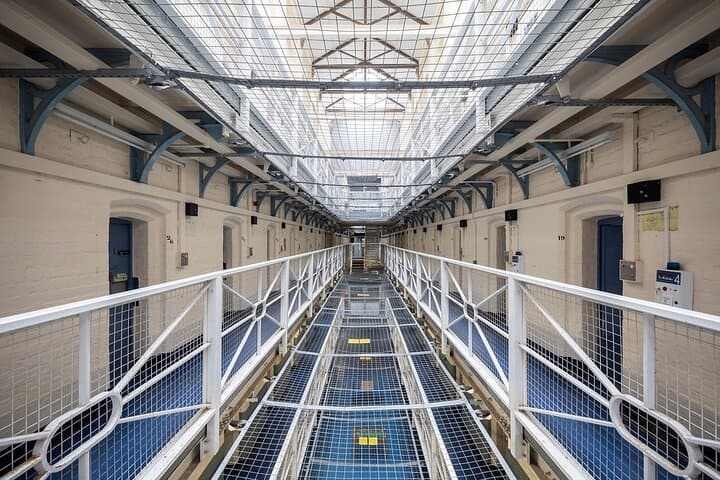
Guided by ex-prison officers, the 90-minute tour moves through cell wings, the chapel and areas associated with capital punishment, with focused interpretation rather than sensationalism. Expect close quarters, preserved timber and ironwork, and stories grounded in records: prisoner routines, escapes, reform campaigns and the social context of punishment.
Practical guidance: book in advance — tours are timed and capped, arrive 10–15 minutes early. The route is wheelchair accessible in parts but includes narrow doorways; ask ahead about mobility needs. Wear comfortable shoes and a layer — interiors stay cool year-round. Photography is usually allowed but follow guide instructions in sensitive areas. The experience suits history enthusiasts and curious travelers who want a clear, factual window into Britain’s penal past.
easy.
1.5 hours.
Minimal fitness required; mostly standing and short walks on level and uneven surfaces
The guided tour runs approximately 90 minutes and follows a set route through key historic spaces.
Yes — the content is factual and guides adapt to groups, but some material covers capital punishment; parental discretion is advised.
Service animals are permitted; check with the operator about other pets as policies may vary.
Photography is generally allowed, but guides may restrict images in certain sensitive locations — always follow instructions.
Opened in 1793 and altered across the 19th and 20th centuries, Shrewsbury Prison functioned until the 21st century and reflects shifting British penal philosophies.
Tours support conservation of historic fabric; visitors are asked to stick to routes, avoid touching fragile surfaces and follow guidance to minimize wear.
Shrewsbury Prison operates guided outdoor trips and adventures with an emphasis on safety, stewardship, and memorable experiences.
You step through a heavy gate and the town's bustle falls away — stone corridors, iron grated windows and the muffled echo of footsteps set the tempo. Light slices across cold flagstones; a guide's voice fills the passage with names, dates and the routines of people who lived and died within these walls.
You step through a heavy gate and the town's bustle falls away — stone corridors, iron grated windows and the muffled echo of footsteps set the tempo. Light slices across cold flagstones; a guide's voice fills the passage with names, dates and the routines of people who lived and died within these walls.
Built in the late 18th century, Shrewsbury Prison was a working gaol for over two centuries. Its Georgian radial plan, robust masonry and layered adaptations trace changes in penal theory from public corporal punishment to Victorian reform and the era of incarceration. The site sits on raised ground near Abbey Foregate, where local industry and river trade helped shape Shrewsbury's growth; its presence influenced town policing and legal practice for generations.
Guided by ex-prison officers, the 90-minute tour moves through cell wings, the chapel and areas associated with capital punishment, with focused interpretation rather than sensationalism. Expect close quarters, preserved timber and ironwork, and stories grounded in records: prisoner routines, escapes, reform campaigns and the social context of punishment.
Practical guidance: book in advance — tours are timed and capped, arrive 10–15 minutes early. The route is wheelchair accessible in parts but includes narrow doorways; ask ahead about mobility needs. Wear comfortable shoes and a layer — interiors stay cool year-round. Photography is usually allowed but follow guide instructions in sensitive areas. The experience suits history enthusiasts and curious travelers who want a clear, factual window into Britain’s penal past.