THE ADVENTURE COLLECTIVE® · Independent discovery and booking for outdoor travel

Walk through 400 years of penal history on a 90-minute guided tour of Shepton Mallet Prison. Led by former officers, the experience reveals cell wings, execution sites and the institutional changes that shaped modern incarceration.
Walk through 400 years of penal history on a 90-minute guided tour of Shepton Mallet Prison. Led by former officers, the experience reveals cell wings, execution sites and the institutional changes that shaped modern incarceration.
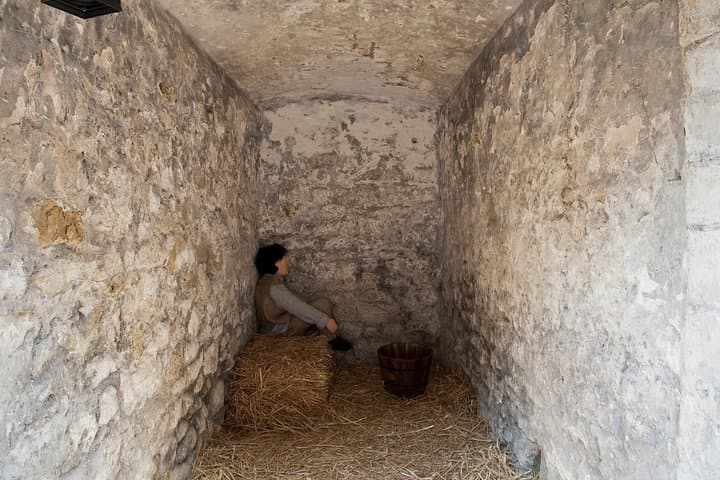
You step through a heavy gate and the air changes—thicker, cooler, the walls closing in like pages of a hard-won ledger. The corridor smells faintly of stone and old timber; footsteps echo where inmates once paced. Guided by former prison officers, the tour moves at a respectful, steady pace through wings that have housed prisoners since the early 1600s.
Verified experiences and guided adventures in the surrounding area.
Operated by Shepton Mallet Prison · Shepton Mallet, Somerset
You step through a heavy gate and the air changes—thicker, cooler, the walls closing in like pages of a hard-won ledger. The corridor smells faintly of stone and old timber; footsteps echo where inmates once paced. Guided by former prison officers, the tour moves at a respectful, steady pace through wings that have housed prisoners since the early 1600s.
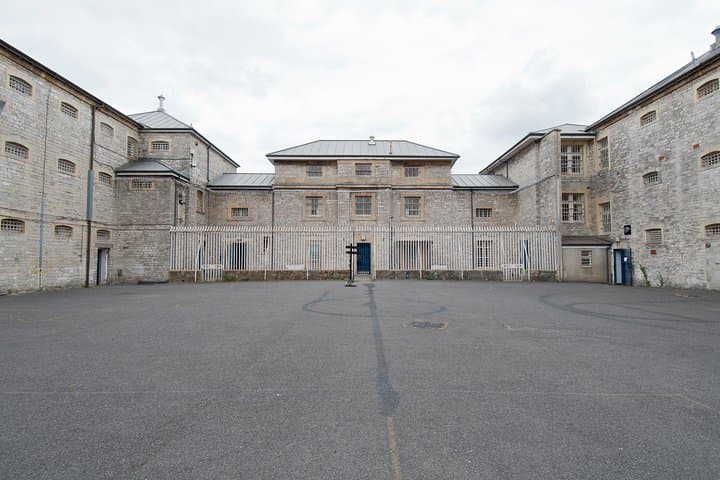
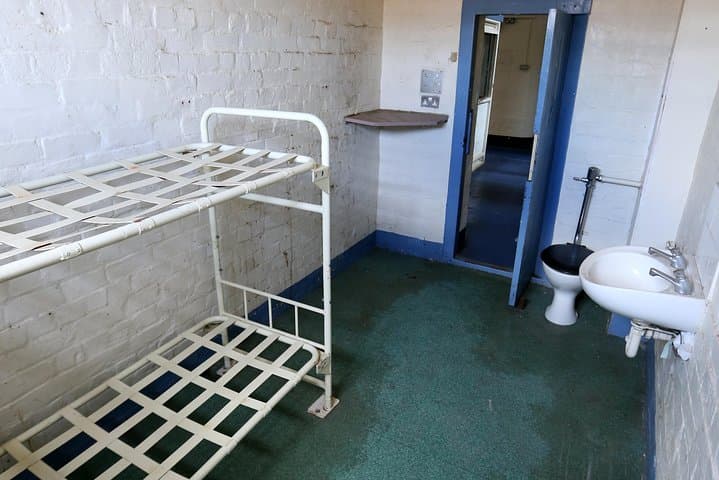
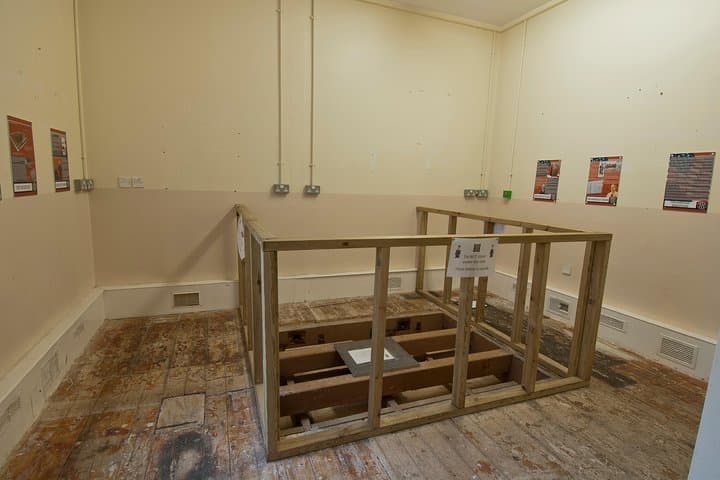
Shepton Mallet’s site dates back to around 1610 and shows architectural layers: Georgian cells, Victorian additions and 20th-century modifications. The buildings tell a direct story of British penal practice, including the machinery of capital punishment and the long evolution from corporal sentences to modern incarceration. The setting—on the outskirts of a market town in Somerset—frames a cultural history of local courts, labour, and reform movements that shaped the prison’s use and eventual closure in the 21st century.
Practical details are simple: tours run about 90 minutes, led by ex-officers who provide firsthand anecdotes and procedural context. Expect uneven stone floors, narrow stairways and low-light interiors; photography rules and respectful behavior are enforced to protect the fabric of the site. Arrive 10–15 minutes early, bring valid ID if requested, and dress for cool interiors even on warm days.
This is a history-first experience rather than a high-adrenaline outing—best for visitors interested in social history, legal practices and preserved institutional architecture. The tour balances immersive storytelling with clear factual explanation, giving you a grounded look behind high walls and locked doors.
easy.
1.5 hours.
Suitable for most fitness levels; involves walking and standing with some stairs and uneven surfaces
Tours run approximately 90 minutes and cover multiple wings of the prison; allow extra time for check-in.
Children can attend but content includes discussions of capital punishment and confinement; consider age-appropriateness before booking.
Photography is usually permitted in some areas but restricted in others; follow the guide’s instructions and any posted signs.
Because of historic architecture, accessibility is limited—contact the tour operator in advance to discuss specific needs and available accommodations.
Shepton Mallet’s prison complex contains elements dating to around 1610 and reflects centuries of penal reform; it remained in use until the early 21st century and now opens for public interpretation.
Tours operate under preservation guidelines—avoid touching fragile fabric, follow designated paths and support conservation by adhering to site rules.
Shepton Mallet Prison operates guided outdoor trips and adventures with an emphasis on safety, stewardship, and memorable experiences.
You step through a heavy gate and the air changes—thicker, cooler, the walls closing in like pages of a hard-won ledger. The corridor smells faintly of stone and old timber; footsteps echo where inmates once paced. Guided by former prison officers, the tour moves at a respectful, steady pace through wings that have housed prisoners since the early 1600s.
You step through a heavy gate and the air changes—thicker, cooler, the walls closing in like pages of a hard-won ledger. The corridor smells faintly of stone and old timber; footsteps echo where inmates once paced. Guided by former prison officers, the tour moves at a respectful, steady pace through wings that have housed prisoners since the early 1600s.
Shepton Mallet’s site dates back to around 1610 and shows architectural layers: Georgian cells, Victorian additions and 20th-century modifications. The buildings tell a direct story of British penal practice, including the machinery of capital punishment and the long evolution from corporal sentences to modern incarceration. The setting—on the outskirts of a market town in Somerset—frames a cultural history of local courts, labour, and reform movements that shaped the prison’s use and eventual closure in the 21st century.
Practical details are simple: tours run about 90 minutes, led by ex-officers who provide firsthand anecdotes and procedural context. Expect uneven stone floors, narrow stairways and low-light interiors; photography rules and respectful behavior are enforced to protect the fabric of the site. Arrive 10–15 minutes early, bring valid ID if requested, and dress for cool interiors even on warm days.
This is a history-first experience rather than a high-adrenaline outing—best for visitors interested in social history, legal practices and preserved institutional architecture. The tour balances immersive storytelling with clear factual explanation, giving you a grounded look behind high walls and locked doors.