THE ADVENTURE COLLECTIVE® · Independent discovery and booking for outdoor travel

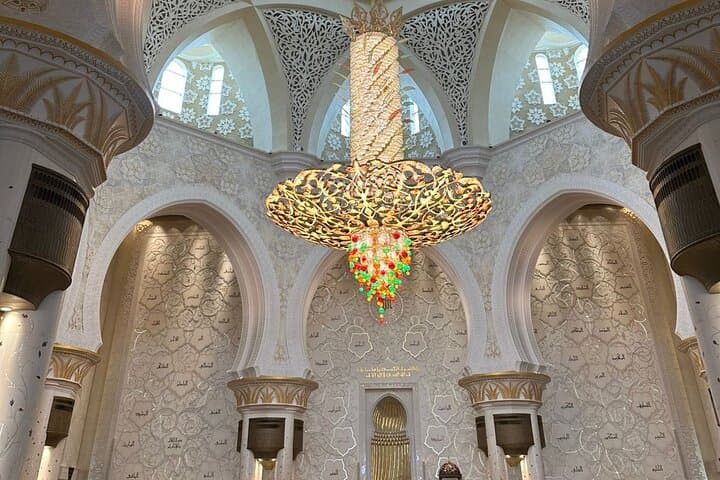
Walk beneath 12-ton chandeliers and across the world’s largest hand-knotted carpet with a guide who decodes the mosque’s symbols, lighting, and design. This cultural walking tour reveals access and context most solo visitors miss.
Walk beneath 12-ton chandeliers and across the world’s largest hand-knotted carpet with a guide who decodes the mosque’s symbols, lighting, and design. This cultural walking tour reveals access and context most solo visitors miss.
You arrive at the plaza before dawn; the mosque’s white marble cools under your palms and the reflecting pools hold the first light like a flattened sky.
Verified experiences and guided adventures in the surrounding area.
Operated by Royal Class Travel & Tourism · Abu Dhabi, Abu Dhabi
You arrive at the plaza before dawn; the mosque’s white marble cools under your palms and the reflecting pools hold the first light like a flattened sky.
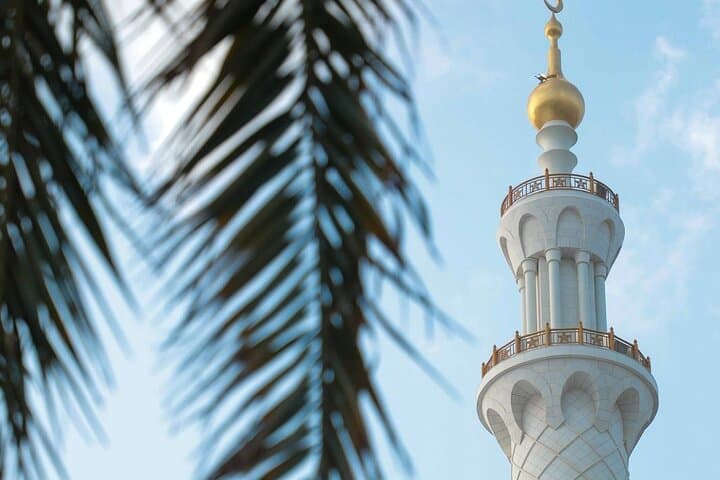
A guided walk here reframes scale and intention. Built between 1996 and 2007, the mosque is Sheikh Zayed’s civic gesture—marble from Macedonia and Greece, semi-precious stone inlays, and labor from artisans across the Islamic world. Geologically the complex is a study in imported stone and crafted inlay rather than native bedrock; marble and gold leaf dominate the palette, while water and light animate surfaces.
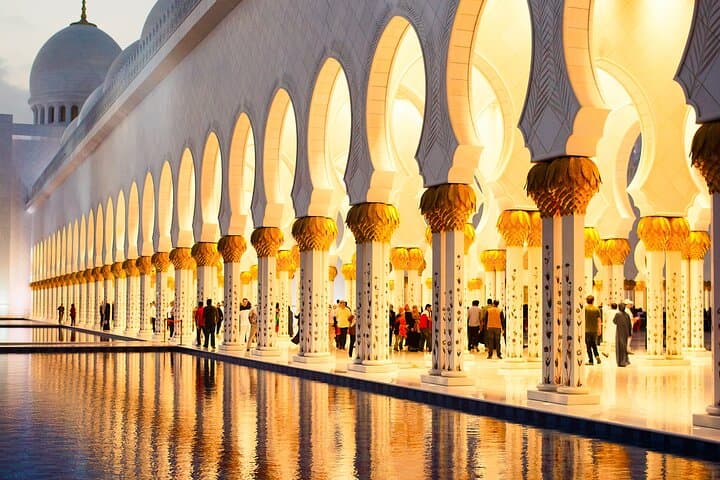
Guides decode the symbolism: palm-frond capitals that reference local ecosystems, floral mosaics that bridge hemispheres, and an acoustic design in the Mihrab that shapes prayer into physical presence. The Lunar Lighting System, timed to moon phases, simply nudges the white toward slate or blue; it makes the mosque feel alive—light that breathes with the sky.
Practical guidance: tours run about 2–3 hours and move at an easy pace but include stairs and long colonnades. Dress code is strict—headscarf for women, long trousers for men—and modest, non-transparent fabric is required. Photography is allowed in most public areas but avoid flash or disruption during services. Bring water (even if provided), comfortable closed-toe shoes, and plan visits for early morning or late afternoon to avoid peak heat and to see the lighting shift.
A guided visit transforms a visual stop into layered context: architecture, ritual, conservation, and the civic story of modern Abu Dhabi.
easy.
2–3 hours.
Suitable for most fitness levels; involves walking on flat and slightly stepped surfaces and standing for explanations
Yes—guided tours often sell out and booking secures access and, in some cases, entry to restricted areas of the main prayer hall.
Yes—most areas, including courtyards and primary prayer hall access routes, are wheelchair accessible; check with your operator for transport options.
Photography is permitted in most public spaces, but avoid flash in prayer areas and follow guide instructions during services.
Yes—families are welcome though dress rules and behavior expectations apply; strollers are allowed in many areas.
Commissioned by Sheikh Zayed and completed in 2007, the mosque blends global craftsmanship—marble, inlays, and chandeliers—with traditional Islamic architectural vocabulary.
The mosque maintains active stone and textile conservation programs and asks visitors to follow rules to minimize wear—avoid touching inlay work, and dispose of waste responsibly.
Royal Class Travel & Tourism operates guided outdoor trips and adventures with an emphasis on safety, stewardship, and memorable experiences.
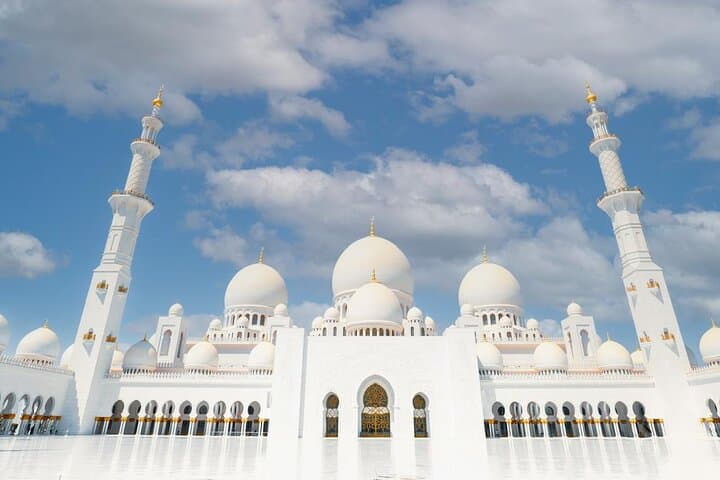
You arrive at the plaza before dawn; the mosque’s white marble cools under your palms and the reflecting pools hold the first light like a flattened sky.
You arrive at the plaza before dawn; the mosque’s white marble cools under your palms and the reflecting pools hold the first light like a flattened sky.
A guided walk here reframes scale and intention. Built between 1996 and 2007, the mosque is Sheikh Zayed’s civic gesture—marble from Macedonia and Greece, semi-precious stone inlays, and labor from artisans across the Islamic world. Geologically the complex is a study in imported stone and crafted inlay rather than native bedrock; marble and gold leaf dominate the palette, while water and light animate surfaces.
Guides decode the symbolism: palm-frond capitals that reference local ecosystems, floral mosaics that bridge hemispheres, and an acoustic design in the Mihrab that shapes prayer into physical presence. The Lunar Lighting System, timed to moon phases, simply nudges the white toward slate or blue; it makes the mosque feel alive—light that breathes with the sky.
Practical guidance: tours run about 2–3 hours and move at an easy pace but include stairs and long colonnades. Dress code is strict—headscarf for women, long trousers for men—and modest, non-transparent fabric is required. Photography is allowed in most public areas but avoid flash or disruption during services. Bring water (even if provided), comfortable closed-toe shoes, and plan visits for early morning or late afternoon to avoid peak heat and to see the lighting shift.
A guided visit transforms a visual stop into layered context: architecture, ritual, conservation, and the civic story of modern Abu Dhabi.