THE ADVENTURE COLLECTIVE® · Independent discovery and booking for outdoor travel

Suit up, learn the fundamentals of flight, then take the controls in an aerobatic Extra 300 simulator at Shannon Aviation Museum. This two-hour blend of history and hands-on simulation suits families, aviation fans and curious travelers.
Suit up, learn the fundamentals of flight, then take the controls in an aerobatic Extra 300 simulator at Shannon Aviation Museum. This two-hour blend of history and hands-on simulation suits families, aviation fans and curious travelers.
You step through the hangar doors and aluminium skin catches the light—an Extra 300 gleams under rafters while a vintage fighter jet leans into the space like a sleeping predator. The scent of machine oil and polished metal hangs in the air; the first task is to pull on a flight suit and learn what keeps a plane aloft.
Verified experiences and guided adventures in the surrounding area.
Operated by Shannon Aviation Museum · Shannon, County Clare
You step through the hangar doors and aluminium skin catches the light—an Extra 300 gleams under rafters while a vintage fighter jet leans into the space like a sleeping predator. The scent of machine oil and polished metal hangs in the air; the first task is to pull on a flight suit and learn what keeps a plane aloft.
The museum sits at the edge of Shannon Airport, a site that shaped transatlantic travel and Ireland’s mid-century aviation boom. Exhibits range from early commercial airframes to military jets; plaques link engineering choices to wider history—how runway geometry and wartime logistics shaped the town around the field. The nearby Shannon Estuary carved the coastline and created the open water corridors pilots have used for decades.
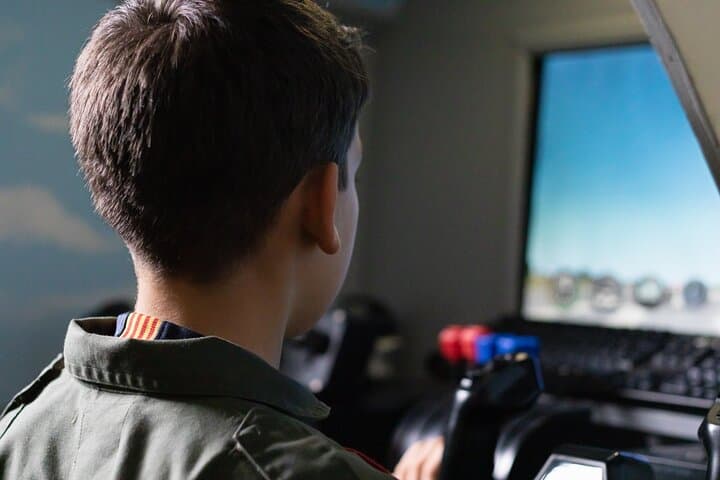
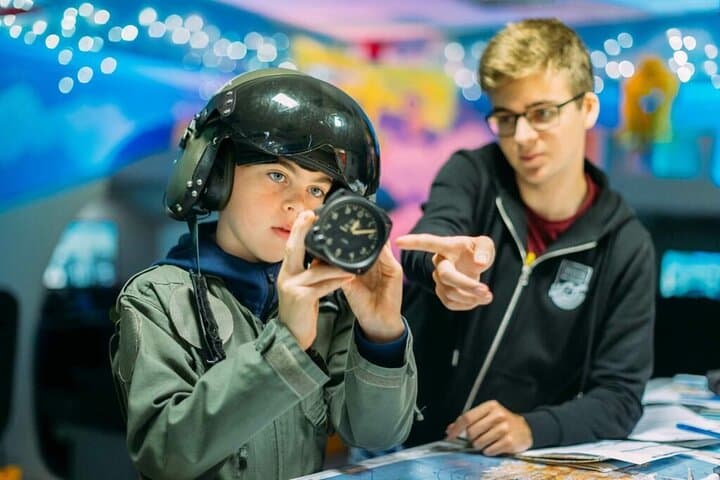
Your two-hour program blends classroom basics—the wing, lift, control—with a hands-on simulator run in an aerobatic Extra 300. Pilots-instructor coach you through loops and competitive JFK-to-Statue-of-Liberty races before a guided walk through cockpits and maintenance bays where you can sit, photograph, and ask questions.
Practicalities: sessions are roughly 120 minutes, capped in shared sessions of about 16; mobile tickets are accepted and the experience is wheelchair accessible. Arrive 15–20 minutes early to get suited up and to hear the theory briefing. Wear comfortable, flat shoes for stepping into cockpits and bring a small jacket—hangars can be cool. Cameras are welcome; ask before touching instruments. Expect an engaging mix of history and hands-on flying without the stress of actual altitude: it’s an education-first, adrenaline-ready experience.
easy.
2 hours.
Suitable for most fitness levels; ability to climb a small cockpit step and stand for short periods is required
The activity runs approximately 120 minutes and combines a flight theory briefing, simulator session, and a guided museum tour.
Yes—facilities and main exhibit surfaces are wheelchair accessible; staff can assist with cockpit access where feasible.
Yes—infants and small children can attend; the experience is designed to be family-friendly though simulator motion may not suit very young children.
No prior experience required—an instructor briefs and coaches you through the controls during the simulated flight.
Shannon Airport was a key mid-20th-century transatlantic stop and the museum preserves aircraft that reflect the airport’s role in commercial and military aviation history.
The museum emphasizes preservation of historic aircraft and educational outreach; visitors are encouraged to respect exhibits and local wildlife protections around the estuary.
Shannon Aviation Museum operates guided outdoor trips and adventures with an emphasis on safety, stewardship, and memorable experiences.
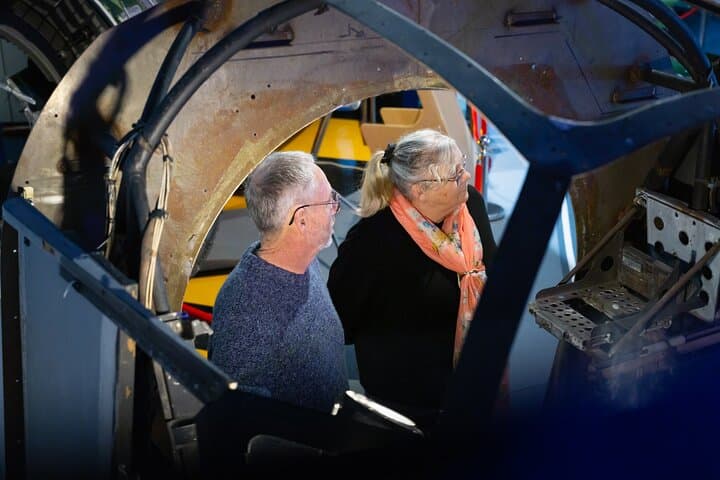
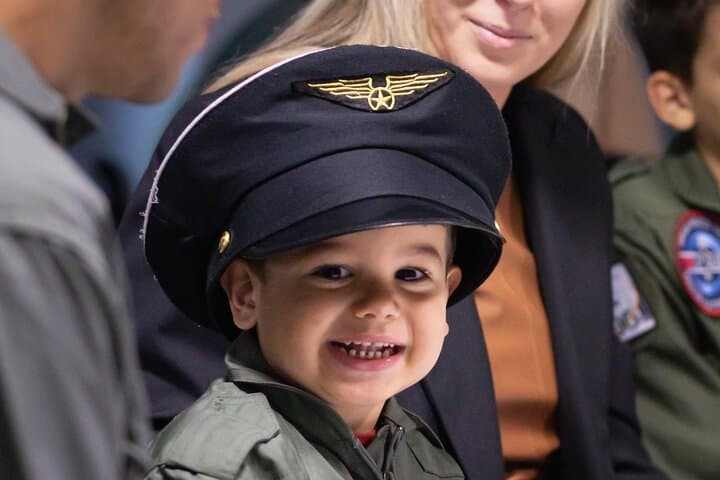
You step through the hangar doors and aluminium skin catches the light—an Extra 300 gleams under rafters while a vintage fighter jet leans into the space like a sleeping predator. The scent of machine oil and polished metal hangs in the air; the first task is to pull on a flight suit and learn what keeps a plane aloft.
You step through the hangar doors and aluminium skin catches the light—an Extra 300 gleams under rafters while a vintage fighter jet leans into the space like a sleeping predator. The scent of machine oil and polished metal hangs in the air; the first task is to pull on a flight suit and learn what keeps a plane aloft.
The museum sits at the edge of Shannon Airport, a site that shaped transatlantic travel and Ireland’s mid-century aviation boom. Exhibits range from early commercial airframes to military jets; plaques link engineering choices to wider history—how runway geometry and wartime logistics shaped the town around the field. The nearby Shannon Estuary carved the coastline and created the open water corridors pilots have used for decades.
Your two-hour program blends classroom basics—the wing, lift, control—with a hands-on simulator run in an aerobatic Extra 300. Pilots-instructor coach you through loops and competitive JFK-to-Statue-of-Liberty races before a guided walk through cockpits and maintenance bays where you can sit, photograph, and ask questions.
Practicalities: sessions are roughly 120 minutes, capped in shared sessions of about 16; mobile tickets are accepted and the experience is wheelchair accessible. Arrive 15–20 minutes early to get suited up and to hear the theory briefing. Wear comfortable, flat shoes for stepping into cockpits and bring a small jacket—hangars can be cool. Cameras are welcome; ask before touching instruments. Expect an engaging mix of history and hands-on flying without the stress of actual altitude: it’s an education-first, adrenaline-ready experience.