THE ADVENTURE COLLECTIVE® · Independent discovery and booking for outdoor travel

Step inside original cells and underground interrogation rooms on a two-hour guided walk through Seodaemun Prison History Hall. This tour pairs archival detail with a seasoned guide to reveal the human stories behind Korea’s independence struggle.
Step inside original cells and underground interrogation rooms on a two-hour guided walk through Seodaemun Prison History Hall. This tour pairs archival detail with a seasoned guide to reveal the human stories behind Korea’s independence struggle.
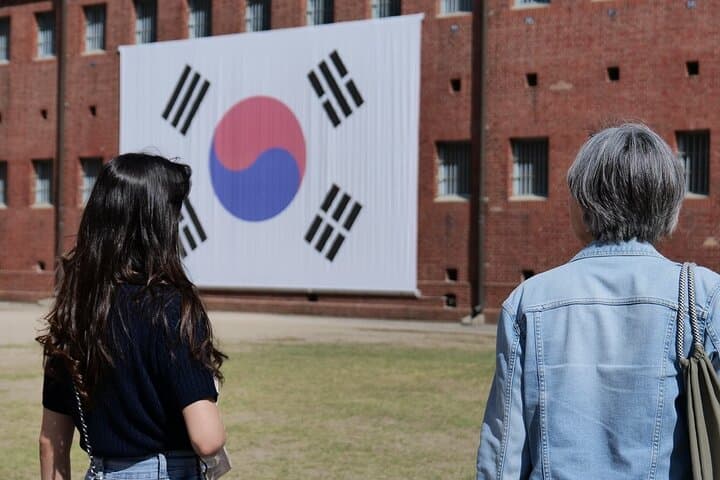
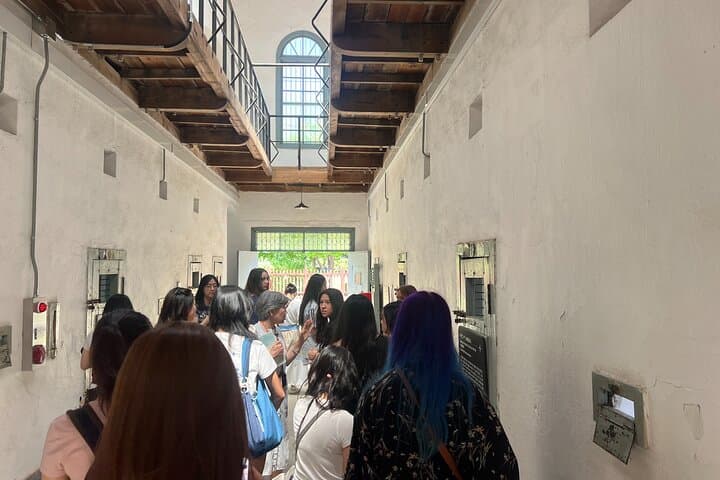
A low concrete wall parts the busy Seoul street like an unblinking eye; step through the gate and the city’s noise thins to the scrape of shoe soles on stone. The guided tour moves through narrow cells and a low-ceilinged interrogation room where light seems measured in inches, and the execution yard opens with a silence that fills the air.
Verified experiences and guided adventures in the surrounding area.
Operated by Mutual Trip · Seoul, Seoul
A low concrete wall parts the busy Seoul street like an unblinking eye; step through the gate and the city’s noise thins to the scrape of shoe soles on stone. The guided tour moves through narrow cells and a low-ceilinged interrogation room where light seems measured in inches, and the execution yard opens with a silence that fills the air.
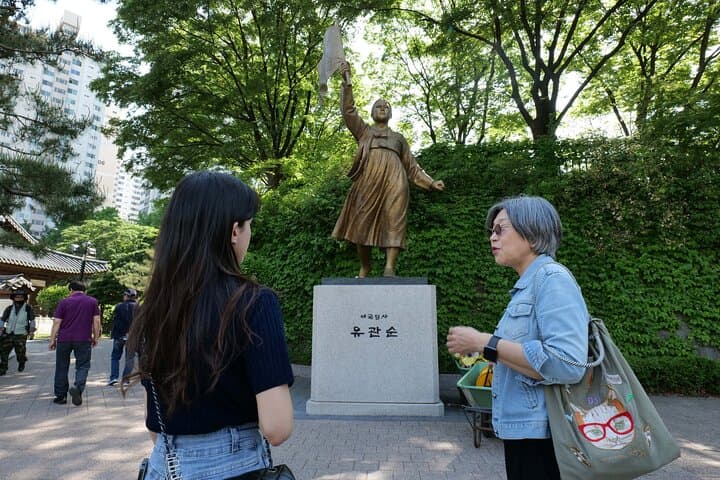
Seodaemun Prison was built in 1908 during Japanese colonial rule and later became a place of detention, interrogation, and execution for Korean independence activists. Visitors encounter original brickwork, iron cell doors, and exhibit panels that place personal stories—like 17-year-old Yu Gwan-sun’s defiance—against the larger sweep of Korea’s 20th-century struggle for sovereignty.
The site sits on a gentle urban rise near Dongnimmun (Independence Gate); its architecture reflects early 20th-century penal design—stone foundations, narrow corridors, and below-grade chambers that still feel cold to the touch. The cultural weight here is deliberate: the museum frames memory, mourning, and civic restoration rather than sensational detail.
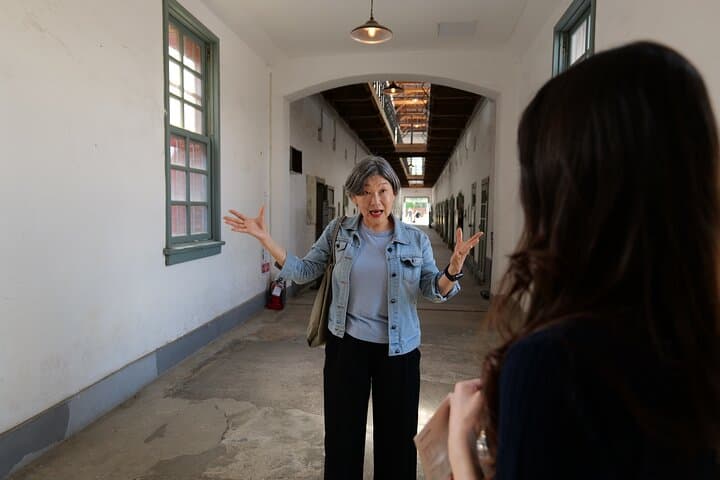
Practicalities: the tour runs about two hours, includes entrance, and is led by an experienced guide who contextualizes exhibits and biographies. Expect stairs, dimly lit spaces, and moments that require respectful silence. Public transit reaches the site easily; bring comfortable shoes, a bottle of water, and time to process what you’ve seen afterward. Avoid loud conversation in memorial spaces, and allow extra time to visit nearby Independence Park for broader context.
moderate.
2 hours.
Moderate fitness required—tour involves walking, stairs, and standing for exhibit explanations
The guided experience lasts approximately two hours and includes entry to Seodaemun Prison History Hall.
It’s rated moderate—expect stairs, some uneven surfaces, and standing during exhibit explanations; not recommended for those with serious mobility or cardiovascular issues.
Photography rules vary by exhibit—cameras are generally allowed in many areas but remain respectful and follow any posted signs or guide instructions.
Yes, the tour price includes the museum entrance fee and a professional guide.
Seodaemun Prison was constructed in 1908 under Japanese colonial rule and later used to incarcerate and execute Korean independence activists; its preservation transforms a site of repression into a public memorial.
Visit with restraint—do not touch artifacts or graffiti surfaces, stay on paths, and support interpretation that preserves fragile exhibits and the memorial’s dignity.
Mutual Trip operates guided outdoor trips and adventures with an emphasis on safety, stewardship, and memorable experiences.
A low concrete wall parts the busy Seoul street like an unblinking eye; step through the gate and the city’s noise thins to the scrape of shoe soles on stone. The guided tour moves through narrow cells and a low-ceilinged interrogation room where light seems measured in inches, and the execution yard opens with a silence that fills the air.
A low concrete wall parts the busy Seoul street like an unblinking eye; step through the gate and the city’s noise thins to the scrape of shoe soles on stone. The guided tour moves through narrow cells and a low-ceilinged interrogation room where light seems measured in inches, and the execution yard opens with a silence that fills the air.
Seodaemun Prison was built in 1908 during Japanese colonial rule and later became a place of detention, interrogation, and execution for Korean independence activists. Visitors encounter original brickwork, iron cell doors, and exhibit panels that place personal stories—like 17-year-old Yu Gwan-sun’s defiance—against the larger sweep of Korea’s 20th-century struggle for sovereignty.
The site sits on a gentle urban rise near Dongnimmun (Independence Gate); its architecture reflects early 20th-century penal design—stone foundations, narrow corridors, and below-grade chambers that still feel cold to the touch. The cultural weight here is deliberate: the museum frames memory, mourning, and civic restoration rather than sensational detail.
Practicalities: the tour runs about two hours, includes entrance, and is led by an experienced guide who contextualizes exhibits and biographies. Expect stairs, dimly lit spaces, and moments that require respectful silence. Public transit reaches the site easily; bring comfortable shoes, a bottle of water, and time to process what you’ve seen afterward. Avoid loud conversation in memorial spaces, and allow extra time to visit nearby Independence Park for broader context.