THE ADVENTURE COLLECTIVE® · Independent discovery and booking for outdoor travel

Discover Sedona’s vortex lore through both science and ceremony on a private three-hour van tour. Explore Mogollon Rim viewpoints, a Buddhist stupa, and ancient ruins with a guide who pairs field geology with local cultural context.
Discover Sedona’s vortex lore through both science and ceremony on a private three-hour van tour. Explore Mogollon Rim viewpoints, a Buddhist stupa, and ancient ruins with a guide who pairs field geology with local cultural context.
You step out of a cool van into light that seems cut from iron—hard, red cliffs and a sky so clean it reads like a map. The guide closes the door, unfurls a map of layers: human stories, strata of rock, and the newer, noisier idea of a Sedona "vortex." For the next three hours, the tour moves between viewpoints and a Buddhist shrine, alternating between field notes and felt experience. The landscape acts; the guide narrates.
Verified experiences and guided adventures in the surrounding area.
Operated by Dynamic Journey Tours · Sedona, Arizona
You step out of a cool van into light that seems cut from iron—hard, red cliffs and a sky so clean it reads like a map. The guide closes the door, unfurls a map of layers: human stories, strata of rock, and the newer, noisier idea of a Sedona "vortex." For the next three hours, the tour moves between viewpoints and a Buddhist shrine, alternating between field notes and felt experience. The landscape acts; the guide narrates.
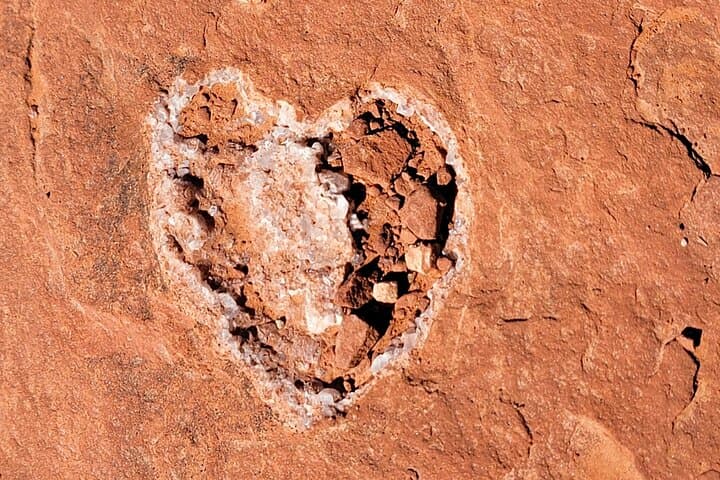
Geology sets the stage: towering walls of Schnebly Hill sandstone and Supai beds carved by wind and runoff, formed over hundreds of millions of years and then reshaped by uplift. The Mogollon Rim viewpoint on this route is where the guide pulls geology into the discussion—how iron-oxide stains the stone red, why cliffs split along weakness, and how those same forms focus wind and light to create places people call powerful.
Culturally, the tour threads together contemporary New Age interest and deeper Indigenous ties. Guides explain how Yavapai, Hopi, and other regional peoples read the land—routes, springs, and ruins—and why modern seekers see Sedona as a place for energetic practice. Rather than insisting on one truth, the guide lays out scientific perspectives—local magnetic readings, psychological effects of awe, and the geology that concentrates solar and wind patterns—beside spiritual interpretations at the Amitabha Stupa & Peace Park.
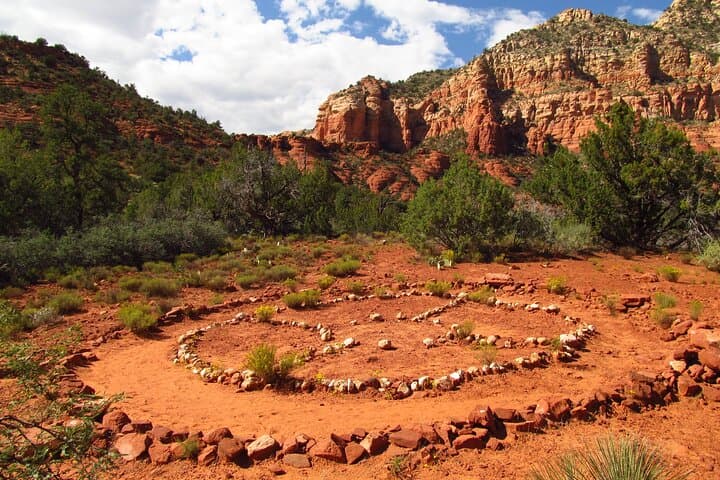
Stops are intentionally short and reflective. At the Buddhist park, visitors discuss ritual and encounter a clean, meditative geometry of paths and prayer wheels; at a high Seven Canyon ruin concentration point, the guide connects archaeology with stewardship, noting excavation histories and preservation efforts.
Practical side: the tour is private, three hours total, and runs in a cooled/heated van with limited seating for comfort. Bottled water and parking fees are included. The operator can pick up at many Sedona hotels or meet at their unit in a gravel lot; allow five minutes for pickup windows. The company recommends light walking shoes and layered clothing—viewpoints are accessible but may involve uneven short walks.
Accessibility and safety notes are clear: suitable for most fitness levels but not recommended for people with serious spinal or cardiovascular issues. Guides balance open conversation with scientific skepticism, so whether you come for geology or spirit, expect thoughtful, evidence-minded context.
Timing matters: mornings bring softer light and fewer visitors; late afternoons sharpen colors. Leave room after the tour to explore lower-elevation trails or a local café—Sedona's energy is less about a single moment and more about walking through its red rooms with context and curiosity.
easy.
3 hours.
Light walking ability—suitable for most travelers comfortable with short uneven walks
The private tour is approximately three hours and includes bottled water, parking fees, van transport, and guided stops at the Mogollon Rim viewpoint, Amitabha Stupa & Peace Park, and a Seven Canyon ruins viewpoint.
Both—guides present cultural and spiritual interpretations alongside geological and scientific context so you can weigh multiple perspectives.
Yes; many Sedona hotels are listed as pickup options. Confirm your pickup point when booking and expect the guide to arrive about five minutes before departure.
The vans can accommodate passengers, but some viewpoint areas involve short uneven walks; contact the supplier to discuss specific mobility needs before booking.
A 15% gratuity is suggested if you enjoyed the tour; guides rely on tips and local knowledge for their livelihoods.
The operator may cancel for bad weather; for a full refund cancel at least 24 hours before departure according to the standard policy.
The region’s canyons and mesas preserve sites where Yavapai and Hopi peoples traveled and tended land long before modern tourism; many ruins reflect centuries of regional habitation.
Guides emphasize Leave No Trace at viewpoint stops and discuss preservation of fragile ruin sites; stay on designated paths and avoid touching archaeological features.
Dynamic Journey Tours operates guided outdoor trips and adventures with an emphasis on safety, stewardship, and memorable experiences.
You step out of a cool van into light that seems cut from iron—hard, red cliffs and a sky so clean it reads like a map. The guide closes the door, unfurls a map of layers: human stories, strata of rock, and the newer, noisier idea of a Sedona "vortex." For the next three hours, the tour moves between viewpoints and a Buddhist shrine, alternating between field notes and felt experience. The landscape acts; the guide narrates.
You step out of a cool van into light that seems cut from iron—hard, red cliffs and a sky so clean it reads like a map. The guide closes the door, unfurls a map of layers: human stories, strata of rock, and the newer, noisier idea of a Sedona "vortex." For the next three hours, the tour moves between viewpoints and a Buddhist shrine, alternating between field notes and felt experience. The landscape acts; the guide narrates.
Geology sets the stage: towering walls of Schnebly Hill sandstone and Supai beds carved by wind and runoff, formed over hundreds of millions of years and then reshaped by uplift. The Mogollon Rim viewpoint on this route is where the guide pulls geology into the discussion—how iron-oxide stains the stone red, why cliffs split along weakness, and how those same forms focus wind and light to create places people call powerful.
Culturally, the tour threads together contemporary New Age interest and deeper Indigenous ties. Guides explain how Yavapai, Hopi, and other regional peoples read the land—routes, springs, and ruins—and why modern seekers see Sedona as a place for energetic practice. Rather than insisting on one truth, the guide lays out scientific perspectives—local magnetic readings, psychological effects of awe, and the geology that concentrates solar and wind patterns—beside spiritual interpretations at the Amitabha Stupa & Peace Park.
Stops are intentionally short and reflective. At the Buddhist park, visitors discuss ritual and encounter a clean, meditative geometry of paths and prayer wheels; at a high Seven Canyon ruin concentration point, the guide connects archaeology with stewardship, noting excavation histories and preservation efforts.
Practical side: the tour is private, three hours total, and runs in a cooled/heated van with limited seating for comfort. Bottled water and parking fees are included. The operator can pick up at many Sedona hotels or meet at their unit in a gravel lot; allow five minutes for pickup windows. The company recommends light walking shoes and layered clothing—viewpoints are accessible but may involve uneven short walks.
Accessibility and safety notes are clear: suitable for most fitness levels but not recommended for people with serious spinal or cardiovascular issues. Guides balance open conversation with scientific skepticism, so whether you come for geology or spirit, expect thoughtful, evidence-minded context.
Timing matters: mornings bring softer light and fewer visitors; late afternoons sharpen colors. Leave room after the tour to explore lower-elevation trails or a local café—Sedona's energy is less about a single moment and more about walking through its red rooms with context and curiosity.