THE ADVENTURE COLLECTIVE® · Independent discovery and booking for outdoor travel

Walk a carpet of history through Savannah’s oldest public ground. This 90–120 minute guided tour reads the city’s colonial past from headstones to hidden plots and offers practical tips for visiting respectfully and comfortably.
Walk a carpet of history through Savannah’s oldest public ground. This 90–120 minute guided tour reads the city’s colonial past from headstones to hidden plots and offers practical tips for visiting respectfully and comfortably.
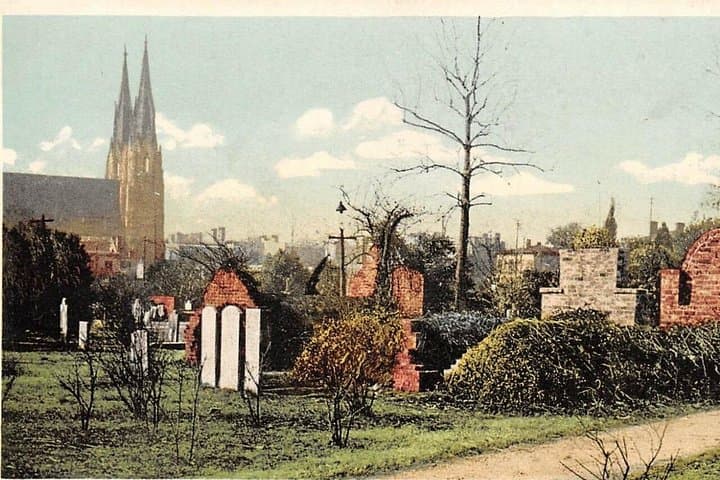
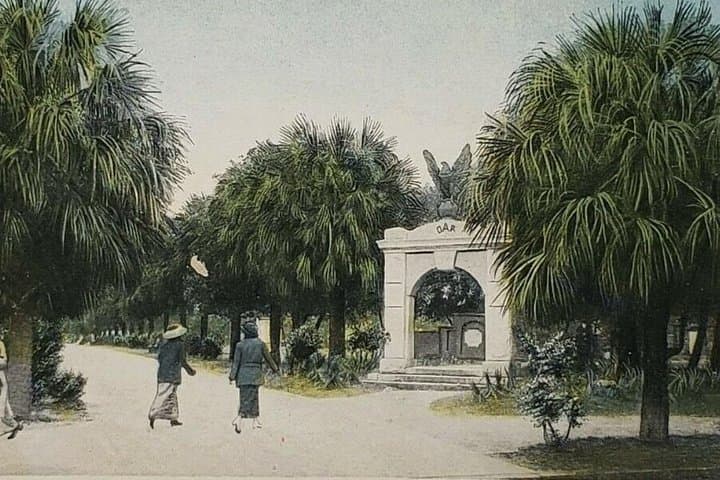
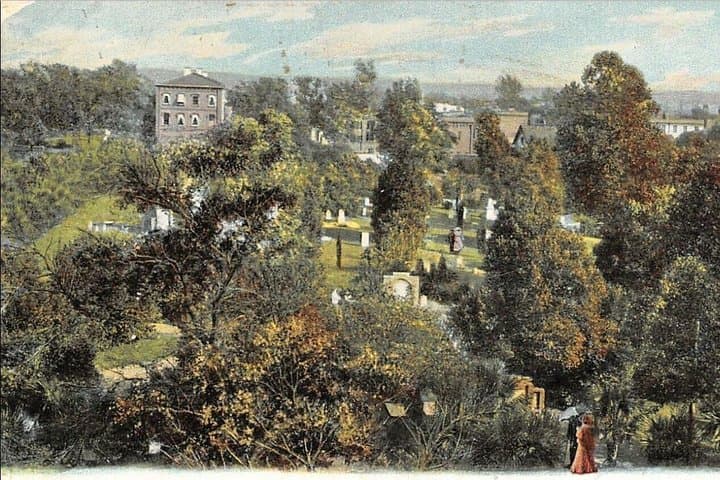
You step through an iron gate and the city’s clamor thins to a softer cadence: footfalls on packed earth, the hush of live oaks, and headstones that tilt like old sentinels. Spanish moss frames avenues of markers; the air carries salt from the river and the faint hum of nearby traffic. This is Colonial Park Cemetery — Savannah’s oldest preserved public ground and a compact outdoor museum of early colonial life.
Verified experiences and guided adventures in the surrounding area.
Operated by Bonaventure, Historic Savannah, Low Country & Private with Shannon Scott Tours · Savannah, Georgia
You step through an iron gate and the city’s clamor thins to a softer cadence: footfalls on packed earth, the hush of live oaks, and headstones that tilt like old sentinels. Spanish moss frames avenues of markers; the air carries salt from the river and the faint hum of nearby traffic. This is Colonial Park Cemetery — Savannah’s oldest preserved public ground and a compact outdoor museum of early colonial life.
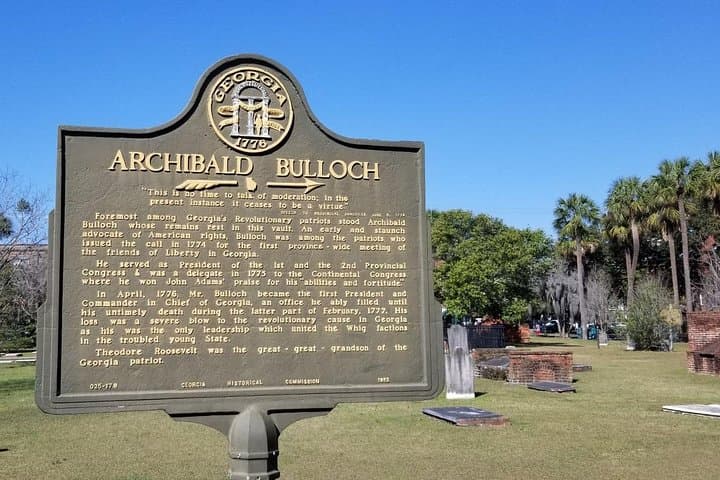
Founded in the 18th century, the cemetery served as more than a burial ground: it hosted town meetings, duels, and public events before yellow fever closed it in 1853. Stone styles range from simple field markers to carved Victorian obelisks; coastal plain soils and humidity accelerate lichen and wear, so inscriptions can be ghosted or vivid depending on exposure. The tour points out the Negro Burial Ground, traces of Root Doctor ritualism, and nearby landmarks like the Old City Jail and the Conrad Aiken birthplace, grafting social history onto the stones.
Practical guidance: the shared tour runs about 90–120 minutes and meets at the corner of Oglethorpe and Abercorn streets. It’s wheelchair-accessible and family-friendly, but wear sturdy shoes — paths are compacted dirt and uneven flagstone. Bring water, sun protection, and a light rain layer if showers are forecast. Photography is generally welcome; treat the site with restraint — avoid leaning on stones or stepping atop graves.
Best times are cool mornings or late afternoons to avoid heat and to read inscriptions in softer light. Use public transit or a short walk from downtown hotels; allow extra time afterward to visit nearby cafés or the squares for context and a cold drink.
easy.
1.5–2 hours.
Suitable for most fitness levels; involves standing and walking on uneven ground for up to two hours
Yes — the operator notes wheelchair accessibility; however, some paths and historical stones may have limited access, so check in advance.
At the corner of Oglethorpe and Abercorn streets, just outside the cemetery entrance; arrive a few minutes early for check-in.
Families are welcome and service animals are permitted; pets may be restricted so confirm with the operator before bringing animals.
Full refunds are available if you cancel at least 24 hours before the tour; check the booking confirmation for details.
Colonial Park Cemetery dates to Savannah’s colonial era and was closed to new burials after the 1853 yellow fever outbreaks; it preserves gravestones and stories from the city’s early civic life.
Ongoing preservation focuses on stabilizing fragile stones and limiting foot traffic in sensitive areas; visitors are asked to stay on paths and not disturb markers to protect the site.
Bonaventure, Historic Savannah, Low Country & Private with Shannon Scott Tours operates guided outdoor trips and adventures with an emphasis on safety, stewardship, and memorable experiences.
You step through an iron gate and the city’s clamor thins to a softer cadence: footfalls on packed earth, the hush of live oaks, and headstones that tilt like old sentinels. Spanish moss frames avenues of markers; the air carries salt from the river and the faint hum of nearby traffic. This is Colonial Park Cemetery — Savannah’s oldest preserved public ground and a compact outdoor museum of early colonial life.
You step through an iron gate and the city’s clamor thins to a softer cadence: footfalls on packed earth, the hush of live oaks, and headstones that tilt like old sentinels. Spanish moss frames avenues of markers; the air carries salt from the river and the faint hum of nearby traffic. This is Colonial Park Cemetery — Savannah’s oldest preserved public ground and a compact outdoor museum of early colonial life.
Founded in the 18th century, the cemetery served as more than a burial ground: it hosted town meetings, duels, and public events before yellow fever closed it in 1853. Stone styles range from simple field markers to carved Victorian obelisks; coastal plain soils and humidity accelerate lichen and wear, so inscriptions can be ghosted or vivid depending on exposure. The tour points out the Negro Burial Ground, traces of Root Doctor ritualism, and nearby landmarks like the Old City Jail and the Conrad Aiken birthplace, grafting social history onto the stones.
Practical guidance: the shared tour runs about 90–120 minutes and meets at the corner of Oglethorpe and Abercorn streets. It’s wheelchair-accessible and family-friendly, but wear sturdy shoes — paths are compacted dirt and uneven flagstone. Bring water, sun protection, and a light rain layer if showers are forecast. Photography is generally welcome; treat the site with restraint — avoid leaning on stones or stepping atop graves.
Best times are cool mornings or late afternoons to avoid heat and to read inscriptions in softer light. Use public transit or a short walk from downtown hotels; allow extra time afterward to visit nearby cafés or the squares for context and a cold drink.