THE ADVENTURE COLLECTIVE® · Independent discovery and booking for outdoor travel

Walk through Santorini’s most important archaeological sites on a 5‑hour guided tour that visits Ancient Thera, Akrotiri, and the Museum of Prehistoric Thira. Expect steep stone paths, preserved frescoes, and insights into the island’s volcanic past.
Walk through Santorini’s most important archaeological sites on a 5‑hour guided tour that visits Ancient Thera, Akrotiri, and the Museum of Prehistoric Thira. Expect steep stone paths, preserved frescoes, and insights into the island’s volcanic past.
Dawn finds you on the volcanic flank of Santorini, wind carrying salt and a memory of ash as you step from the van toward sun-baked stone. The route climbs first to Ancient Thera on Mesa Vouno, where whitewashed ruins perch nearly 400 meters above the Aegean and the island’s layered past reads like a cross-section: Bronze Age habitations below, Hellenistic structures above.
Verified experiences and guided adventures in the surrounding area.
Operated by The Tourist · Akrotiri, South Aegean
Dawn finds you on the volcanic flank of Santorini, wind carrying salt and a memory of ash as you step from the van toward sun-baked stone. The route climbs first to Ancient Thera on Mesa Vouno, where whitewashed ruins perch nearly 400 meters above the Aegean and the island’s layered past reads like a cross-section: Bronze Age habitations below, Hellenistic structures above.
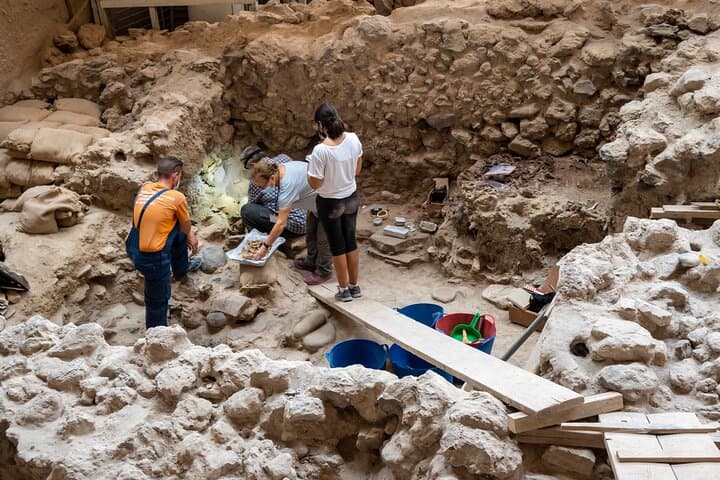
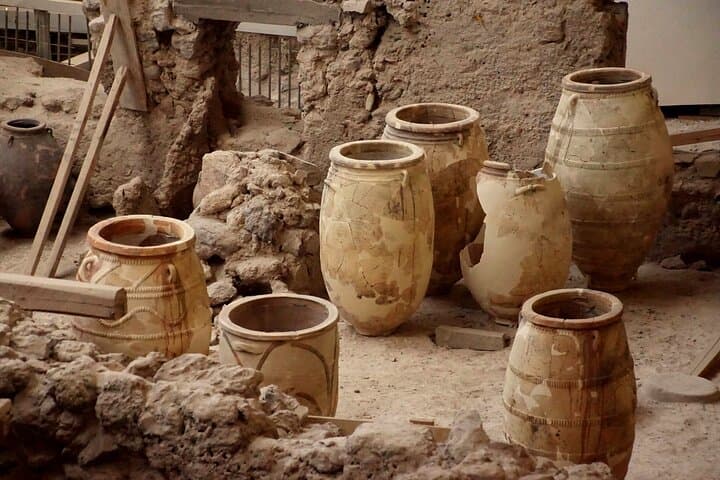
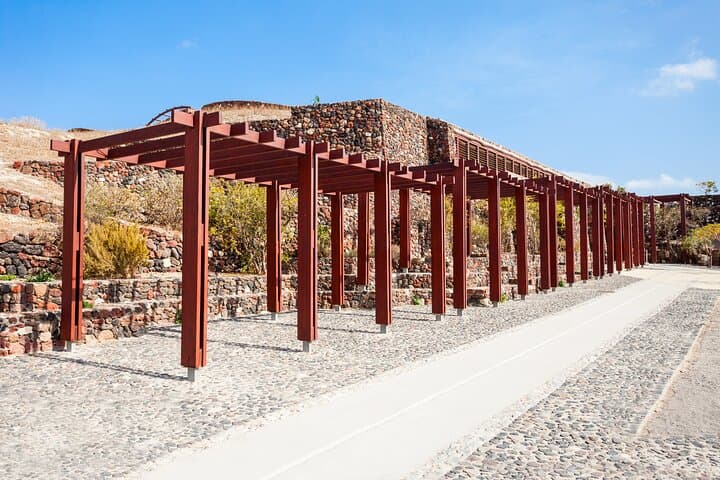
Next is Akrotiri, the excavation that rewrote Aegean prehistory. Preserved by volcanic ash from the Minoan eruption, its multi-story buildings, fresco fragments, and sophisticated drainage reveal urban planning older than classical Greece. Finish in Fira at the Museum of Prehistoric Thira, where pottery, tools, and recovered frescoes put those ruins into context.
Geology and culture intersect here: Santorini’s collapse created the caldera and preserved sites that illuminate trade, craftsmanship, and ritual life across millennia. Local guides link archaeological layers to daily life — diet, sea routes, and the island’s strategic role in the eastern Mediterranean.
Practical guidance: wear sturdy shoes for uneven stone and switchbacks; sun protection is essential year-round; expect several stair sections and unshaded sections at Akrotiri. The tour runs about five hours with included entrance fees and a licensed guide; water and brief refreshments are provided. Plan to start early in summer to avoid midday heat. Respect barriers and conservation rules — these sites are fragile and actively managed.
This is a walkable, interpretive day that rewards curiosity: you’ll leave with a clearer timeline of Santorini’s dramatic geological past and the people who shaped it.
moderate.
5 hours.
Moderate fitness; able to walk on uneven terrain and climb stairs repeatedly.
Yes—entrance fees for Akrotiri, Ancient Thera and the Museum of Prehistoric Thira are included in the tour price.
Not recommended for those with significant mobility impairments; sites have stairs, uneven surfaces, and limited wheelchair access.
The tour supplies bottled water and a selection of soft drinks or juice during the trip as noted in the inclusions.
Guides are licensed and typically offer commentary in English; confirm language availability at booking if you require another language.
Santorini’s major archaeological sites were preserved by the Minoan-era volcanic eruption; Akrotiri’s ash sealed organic and architectural details that predate classical Greek city-states.
Archaeological work is ongoing and access is controlled to protect fragile frescoes and structures; visitors are asked to stay on marked paths and avoid touching surfaces.
The Tourist operates guided outdoor trips and adventures with an emphasis on safety, stewardship, and memorable experiences.
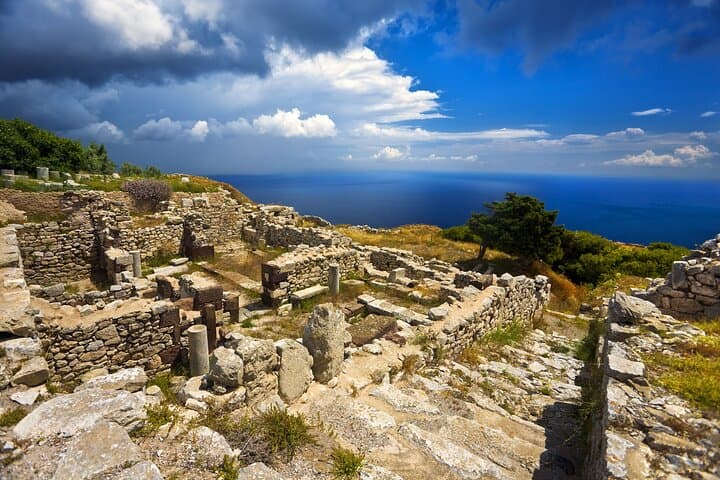
Dawn finds you on the volcanic flank of Santorini, wind carrying salt and a memory of ash as you step from the van toward sun-baked stone. The route climbs first to Ancient Thera on Mesa Vouno, where whitewashed ruins perch nearly 400 meters above the Aegean and the island’s layered past reads like a cross-section: Bronze Age habitations below, Hellenistic structures above.
Dawn finds you on the volcanic flank of Santorini, wind carrying salt and a memory of ash as you step from the van toward sun-baked stone. The route climbs first to Ancient Thera on Mesa Vouno, where whitewashed ruins perch nearly 400 meters above the Aegean and the island’s layered past reads like a cross-section: Bronze Age habitations below, Hellenistic structures above.
Next is Akrotiri, the excavation that rewrote Aegean prehistory. Preserved by volcanic ash from the Minoan eruption, its multi-story buildings, fresco fragments, and sophisticated drainage reveal urban planning older than classical Greece. Finish in Fira at the Museum of Prehistoric Thira, where pottery, tools, and recovered frescoes put those ruins into context.
Geology and culture intersect here: Santorini’s collapse created the caldera and preserved sites that illuminate trade, craftsmanship, and ritual life across millennia. Local guides link archaeological layers to daily life — diet, sea routes, and the island’s strategic role in the eastern Mediterranean.
Practical guidance: wear sturdy shoes for uneven stone and switchbacks; sun protection is essential year-round; expect several stair sections and unshaded sections at Akrotiri. The tour runs about five hours with included entrance fees and a licensed guide; water and brief refreshments are provided. Plan to start early in summer to avoid midday heat. Respect barriers and conservation rules — these sites are fragile and actively managed.
This is a walkable, interpretive day that rewards curiosity: you’ll leave with a clearer timeline of Santorini’s dramatic geological past and the people who shaped it.