THE ADVENTURE COLLECTIVE® · Independent discovery and booking for outdoor travel

Spend a day among roaming herds and botanical collections at the San Diego Zoo Safari Park. This practical guide explains what to expect, when to go, and how to make the most of a one-day pass.
Spend a day among roaming herds and botanical collections at the San Diego Zoo Safari Park. This practical guide explains what to expect, when to go, and how to make the most of a one-day pass.
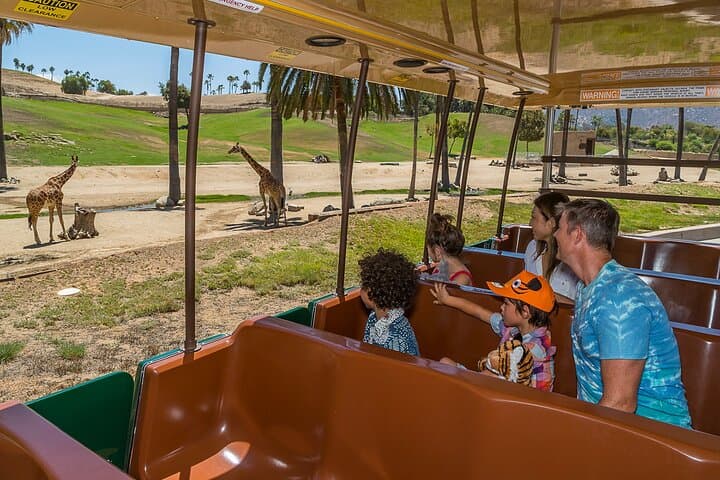
The morning light settles over wide grasslands and the Africa Tram hums away, carrying small groups past grazing giraffes and antelope. Visitors step from cool shade into expansive savanna—trees lean like seasoned guides and waterholes dare you to watch closely for a ripple that means life is moving.
Verified experiences and guided adventures in the surrounding area.
Operated by San Diego Zoo Wildlife Alliance · Escondido, California
The morning light settles over wide grasslands and the Africa Tram hums away, carrying small groups past grazing giraffes and antelope. Visitors step from cool shade into expansive savanna—trees lean like seasoned guides and waterholes dare you to watch closely for a ripple that means life is moving.
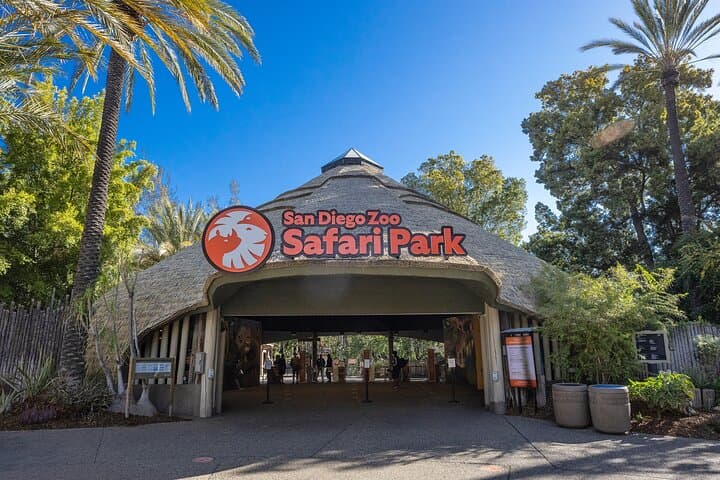
Opened in 1972 as the Wild Animal Park and operated by the San Diego Zoo Wildlife Alliance, the Safari Park occupies roughly 1,800 acres in the San Pasqual Valley. The landscape reads like local geology class: rolling alluvial plains, chaparral slopes, and pockets of riparian habitat that sustain both large mammals and an accredited botanical collection of thousands of plant species. Cultural threads run through the park too—education, conservation breeding programs, and partnerships with global field projects inform nearly every exhibit.
Practical guidance is straightforward: a full day rewards the curious. Tickets must be bought at least one day ahead and mobile entry is simple to scan. Expect miles of walking and timed shows; the Africa Tram and several specialty safaris (truck, cart, zipline) offer low-effort ways to see distant herds but may carry extra fees. Wheelchairs and strollers are available for rent and most routes are accessible, though some lookout points require short inclines.
Plan for sun, bring a refillable water bottle, and time a tram ride for midday heat. Early mornings and late afternoons offer the best animal activity and softer light for photography. Stay on marked paths to protect fragile plantings and observe quietly—this is an active, managed wild space where conservation work happens in public sight.
moderate.
2–8 hours.
Suitable for visitors who can walk multiple miles with intermittent standing; expect short inclines and stairs at lookouts.
The one-day pass includes all animal exhibits and unlimited Africa Tram rides; specialty experiences like wildlife truck safaris, electric carts, or zipline attractions typically require an additional fee.
Yes—most major routes, exhibits, and transportation options are wheelchair accessible, and wheelchairs/strollers are available for rent near the front plaza.
Visitors may bring outside food and non-alcoholic beverages for personal consumption in designated picnic areas; check the park’s current food and beverage policies before arrival.
Early morning and late afternoon tend to be most active as temperatures are cooler; midday activity can be lower but tram routes increase viewing opportunities then.
Founded as the Wild Animal Park in 1972, the Safari Park was created to give large and mixed-species herds room to roam and to expand conservation breeding programs.
The park operates breeding and field-conservation programs and manages a large plant collection; guests are asked to stay on paths and minimize disturbance to support ongoing conservation work.
San Diego Zoo Wildlife Alliance operates guided outdoor trips and adventures with an emphasis on safety, stewardship, and memorable experiences.
The morning light settles over wide grasslands and the Africa Tram hums away, carrying small groups past grazing giraffes and antelope. Visitors step from cool shade into expansive savanna—trees lean like seasoned guides and waterholes dare you to watch closely for a ripple that means life is moving.
The morning light settles over wide grasslands and the Africa Tram hums away, carrying small groups past grazing giraffes and antelope. Visitors step from cool shade into expansive savanna—trees lean like seasoned guides and waterholes dare you to watch closely for a ripple that means life is moving.
Opened in 1972 as the Wild Animal Park and operated by the San Diego Zoo Wildlife Alliance, the Safari Park occupies roughly 1,800 acres in the San Pasqual Valley. The landscape reads like local geology class: rolling alluvial plains, chaparral slopes, and pockets of riparian habitat that sustain both large mammals and an accredited botanical collection of thousands of plant species. Cultural threads run through the park too—education, conservation breeding programs, and partnerships with global field projects inform nearly every exhibit.
Practical guidance is straightforward: a full day rewards the curious. Tickets must be bought at least one day ahead and mobile entry is simple to scan. Expect miles of walking and timed shows; the Africa Tram and several specialty safaris (truck, cart, zipline) offer low-effort ways to see distant herds but may carry extra fees. Wheelchairs and strollers are available for rent and most routes are accessible, though some lookout points require short inclines.
Plan for sun, bring a refillable water bottle, and time a tram ride for midday heat. Early mornings and late afternoons offer the best animal activity and softer light for photography. Stay on marked paths to protect fragile plantings and observe quietly—this is an active, managed wild space where conservation work happens in public sight.