THE ADVENTURE COLLECTIVE® · Independent discovery and booking for outdoor travel

A brisk, one-hour look behind the curtain at Rome’s Stadio Olimpico—access changing rooms, press areas and grandstands with fast entry and local context. Ideal for travelers short on time who want a focused sporting history fix.
A brisk, one-hour look behind the curtain at Rome’s Stadio Olimpico—access changing rooms, press areas and grandstands with fast entry and local context. Ideal for travelers short on time who want a focused sporting history fix.
You step from the city heat into a cool, echoing corridor where footsteps and distant crowd noise linger like a memory. Light slices across painted numbers and locker-room benches; the turf beyond the tunnel waits, surprisingly close and impossibly wide. In sixty minutes the express tour moves with purpose—through changing rooms, the interview area, courtside and up into the grandstand—so every moment feels curated.
Verified experiences and guided adventures in the surrounding area.
Operated by VipinItaly · Rome, Lazio
You step from the city heat into a cool, echoing corridor where footsteps and distant crowd noise linger like a memory. Light slices across painted numbers and locker-room benches; the turf beyond the tunnel waits, surprisingly close and impossibly wide. In sixty minutes the express tour moves with purpose—through changing rooms, the interview area, courtside and up into the grandstand—so every moment feels curated.
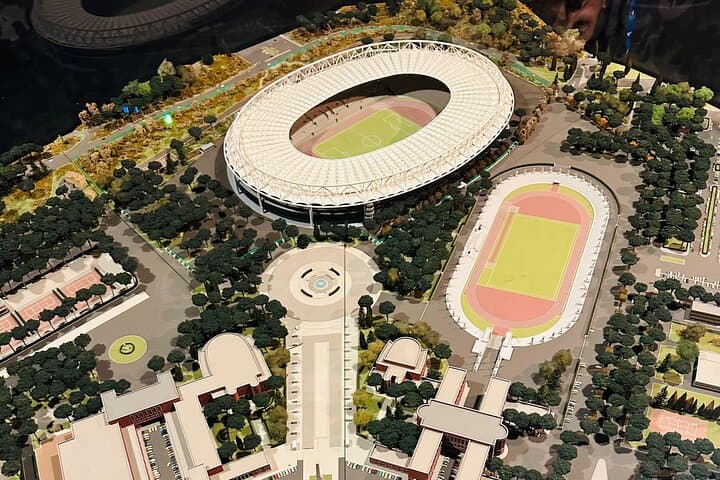
The stadium sits within Foro Italico, a sports complex developed in the 1920s–30s and refitted as the centerpiece of the 1960 Olympic Games. Its concrete terraces and modern upgrades tell a story of political ambition, athletic spectacle and later renovation for football and international events. Geologically, the site occupies the higher terraces near the Tiber, where engineered foundations meet the river plain’s alluvial soils—practical reasons for the stadium’s layered stands and drainage systems.
Culturally, Stadio Olimpico is double-duty: home turf for Rome’s major football clubs and a stage for Europe-scale concerts—so the field can be covered and access varies with event calendars. The express tour focuses on intimate, behind-the-scenes spaces usually closed to casual visitors, giving a snapshot of match-day routines and press rituals.
Practical guidance: plan for a firm schedule—this is a one-hour experience, often paced and guided, with wheelchair access and clear security checks. Use public transit to avoid parking, carry photo ID, and check the venue calendar before you book; summer concert season alters itineraries. Bring comfortable shoes and a charged phone for photos, but expect brief stops rather than long pauses—this tour shows you the stadium’s pulse, not its playbook.
easy.
1 hour.
Suitable for most fitness levels; requires walking and stair use but accessible via ramps and elevators in many areas
The express tour lasts approximately 60 minutes and covers indoor spaces like locker rooms, press areas and selected seating zones.
Yes—this tour offers wheelchair access to many areas; indicate accessibility needs when booking so staff can assist.
Field access varies by event schedule; the express itinerary focuses on indoor and sideline areas but not guaranteed onto the pitch, especially during concert season.
Guided languages can vary; confirm the language option when booking, and check if the guide provides translated materials or audio support.
Part of the Foro Italico complex developed in the interwar period, the stadium was refurbished for the 1960 Olympics and has since hosted major football matches and international events.
Large events create noise and waste; favor public transit, avoid single‑use plastics, and follow venue recycling and access rules to reduce local impact.
VipinItaly operates guided outdoor trips and adventures with an emphasis on safety, stewardship, and memorable experiences.
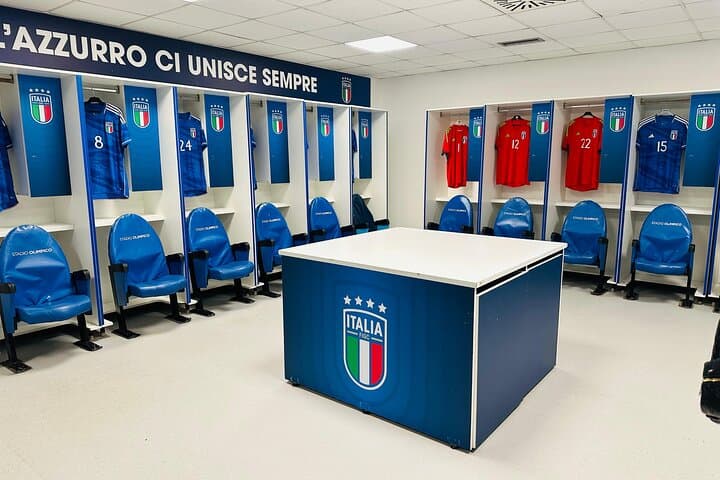
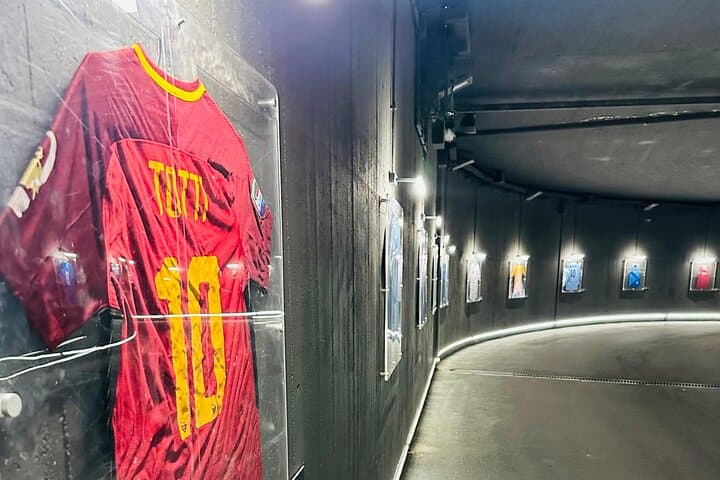
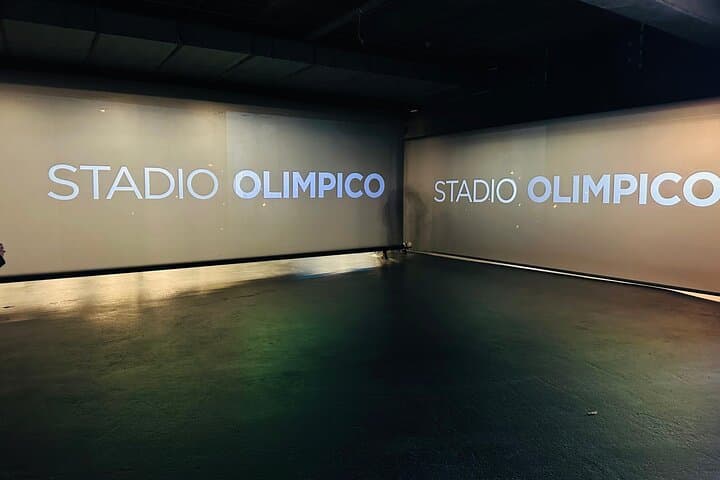
You step from the city heat into a cool, echoing corridor where footsteps and distant crowd noise linger like a memory. Light slices across painted numbers and locker-room benches; the turf beyond the tunnel waits, surprisingly close and impossibly wide. In sixty minutes the express tour moves with purpose—through changing rooms, the interview area, courtside and up into the grandstand—so every moment feels curated.
You step from the city heat into a cool, echoing corridor where footsteps and distant crowd noise linger like a memory. Light slices across painted numbers and locker-room benches; the turf beyond the tunnel waits, surprisingly close and impossibly wide. In sixty minutes the express tour moves with purpose—through changing rooms, the interview area, courtside and up into the grandstand—so every moment feels curated.
The stadium sits within Foro Italico, a sports complex developed in the 1920s–30s and refitted as the centerpiece of the 1960 Olympic Games. Its concrete terraces and modern upgrades tell a story of political ambition, athletic spectacle and later renovation for football and international events. Geologically, the site occupies the higher terraces near the Tiber, where engineered foundations meet the river plain’s alluvial soils—practical reasons for the stadium’s layered stands and drainage systems.
Culturally, Stadio Olimpico is double-duty: home turf for Rome’s major football clubs and a stage for Europe-scale concerts—so the field can be covered and access varies with event calendars. The express tour focuses on intimate, behind-the-scenes spaces usually closed to casual visitors, giving a snapshot of match-day routines and press rituals.
Practical guidance: plan for a firm schedule—this is a one-hour experience, often paced and guided, with wheelchair access and clear security checks. Use public transit to avoid parking, carry photo ID, and check the venue calendar before you book; summer concert season alters itineraries. Bring comfortable shoes and a charged phone for photos, but expect brief stops rather than long pauses—this tour shows you the stadium’s pulse, not its playbook.