THE ADVENTURE COLLECTIVE® · Independent discovery and booking for outdoor travel

Gain rare access to the Colosseum’s underground chambers and Arena floor, then continue to the Palatine Hill and Roman Forum. This 90-minute guided experience pairs close-up archaeology with practical tips for navigating stairs, security, and nominative tickets.
Gain rare access to the Colosseum’s underground chambers and Arena floor, then continue to the Palatine Hill and Roman Forum. This 90-minute guided experience pairs close-up archaeology with practical tips for navigating stairs, security, and nominative tickets.
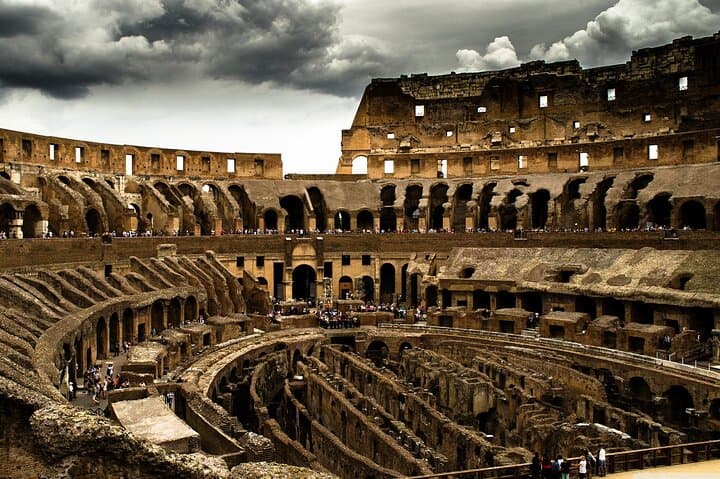
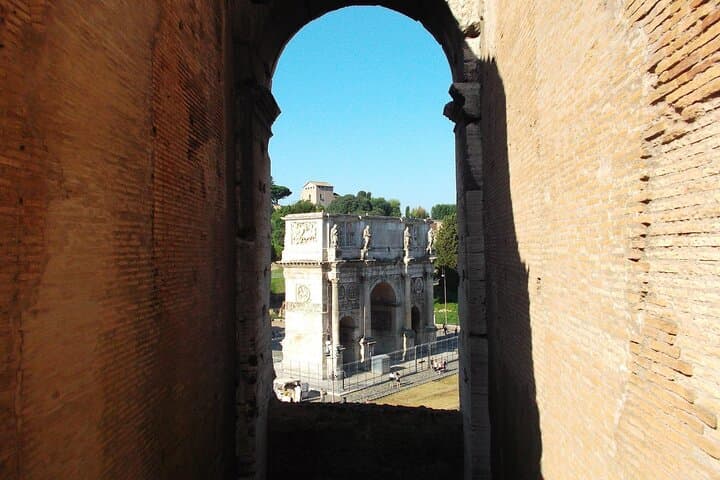
You step through a vaulted arch and the city’s noise thins, replaced by the low, ancient hum of stone. Sunlight cuts through the amphitheater’s open ring while below, the underground corridors — once the veins of a living spectacle — wait for your footsteps.
Verified experiences and guided adventures in the surrounding area.
Operated by Roman Tours · Rome, Lazio
You step through a vaulted arch and the city’s noise thins, replaced by the low, ancient hum of stone. Sunlight cuts through the amphitheater’s open ring while below, the underground corridors — once the veins of a living spectacle — wait for your footsteps.
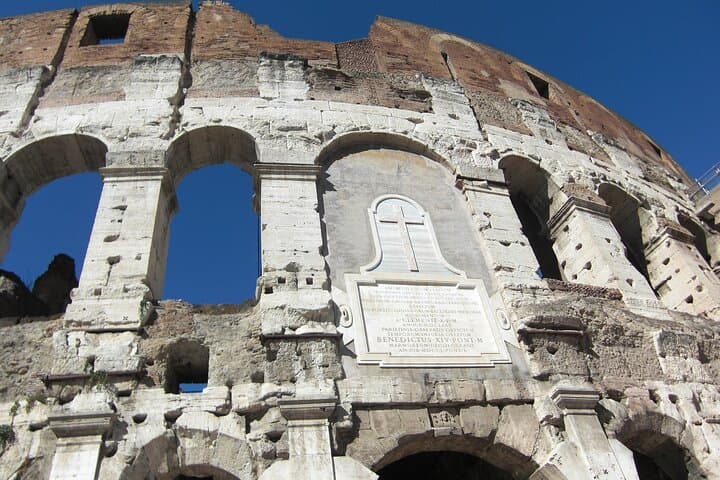
Built between 72–80 AD, the Colosseum was raised from travertine and tufa, materials that still hold the weight of centuries. On this full experience you move through the hypogeum where animals and fighters were held, stride across the reconstructed arena floor, and climb the first and second tiers for city-facing views. Palatine Hill and the Roman Forum complete the loop: the Forum’s ruined temples and basilicas map Rome’s civic life, while the Palatine’s terraces offer quieter vantage points to read layers of imperial history.
Expect tight staircases, low-light vaults and interpretive stops that connect architecture to ritual, politics and spectacle. The guide will unpack technical details — seating hierarchies, construction methods, and the modern conservation work that stabilizes vaults and arches.
Practicalities matter: tickets are nominative — bring ID that matches booking names — and security checks are standard. The tour lasts about 90 minutes and requires moderate mobility; some elevators and accessible routes exist but parts include stairs. Wear sturdy shoes, travel light (large bags are screened), bring water, and aim for early slots to avoid heat and crowds in summer.
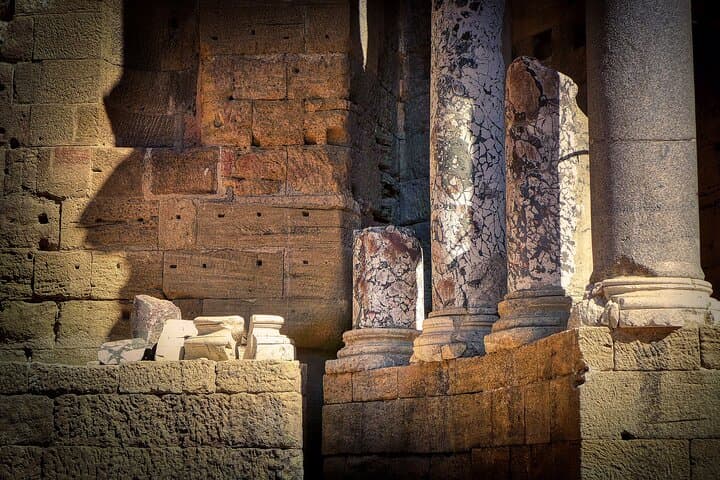
This is a close-up of Rome’s engineered drama: stones that still keep a kind of memory, stair by stair, corridor by corridor.
moderate.
90 minutes.
Moderate mobility required — ability to climb stairs and walk for about 1.5 hours; elevators and some accessible routes exist but not for all sections.
Yes — when booking you must provide full traveler names; everyone must present a matching ID or passport at entry.
Some areas are wheelchair accessible and the operator notes accessibility, but parts of the underground and upper tiers involve stairs; check specific access routes when booking.
Photography for personal use is generally allowed; large bags are subject to security checks and may be restricted.
The guided experience runs about 90 minutes and includes the Colosseum underground, Arena floor, first and second levels, plus entry to the Palatine Hill and Roman Forum for a self-guided visit.
Completed in 80 AD under Emperor Titus, the Colosseum staged gladiatorial games and public spectacles for imperial Rome; successive repairs and additions reflect changing uses over two millennia.
Visitor limits, named tickets and ongoing restoration projects aim to protect fragile vaults and mosaics; follow marked routes and avoid touching exposed masonry.
Roman Tours operates guided outdoor trips and adventures with an emphasis on safety, stewardship, and memorable experiences.
You step through a vaulted arch and the city’s noise thins, replaced by the low, ancient hum of stone. Sunlight cuts through the amphitheater’s open ring while below, the underground corridors — once the veins of a living spectacle — wait for your footsteps.
You step through a vaulted arch and the city’s noise thins, replaced by the low, ancient hum of stone. Sunlight cuts through the amphitheater’s open ring while below, the underground corridors — once the veins of a living spectacle — wait for your footsteps.
Built between 72–80 AD, the Colosseum was raised from travertine and tufa, materials that still hold the weight of centuries. On this full experience you move through the hypogeum where animals and fighters were held, stride across the reconstructed arena floor, and climb the first and second tiers for city-facing views. Palatine Hill and the Roman Forum complete the loop: the Forum’s ruined temples and basilicas map Rome’s civic life, while the Palatine’s terraces offer quieter vantage points to read layers of imperial history.
Expect tight staircases, low-light vaults and interpretive stops that connect architecture to ritual, politics and spectacle. The guide will unpack technical details — seating hierarchies, construction methods, and the modern conservation work that stabilizes vaults and arches.
Practicalities matter: tickets are nominative — bring ID that matches booking names — and security checks are standard. The tour lasts about 90 minutes and requires moderate mobility; some elevators and accessible routes exist but parts include stairs. Wear sturdy shoes, travel light (large bags are screened), bring water, and aim for early slots to avoid heat and crowds in summer.
This is a close-up of Rome’s engineered drama: stones that still keep a kind of memory, stair by stair, corridor by corridor.