THE ADVENTURE COLLECTIVE® · Independent discovery and booking for outdoor travel

Descend into the Capuchin Crypt’s somber chambers, then stroll Via Veneto and Piazza del Popolo to see Caravaggio and Baroque highlights. This intimate 2–3 hour walk pairs macabre reflection with art and Roman streetscape.
Descend into the Capuchin Crypt’s somber chambers, then stroll Via Veneto and Piazza del Popolo to see Caravaggio and Baroque highlights. This intimate 2–3 hour walk pairs macabre reflection with art and Roman streetscape.
You step off Via Veneto and into a cooler hush; the city’s traffic thins and the air carries the faint scent of espresso and old stone. Descending into the Capuchin Crypt, hundreds of arranged bones meet the light with an unnerving, deliberate calm that redirects attention inward.
Verified experiences and guided adventures in the surrounding area.
Operated by Italy In Love Tours · Rome, Lazio
You step off Via Veneto and into a cooler hush; the city’s traffic thins and the air carries the faint scent of espresso and old stone. Descending into the Capuchin Crypt, hundreds of arranged bones meet the light with an unnerving, deliberate calm that redirects attention inward.
The crypt beneath Santa Maria della Concezione dei Cappuccini dates to the 17th century and reflects Capuchin friars’ reflections on mortality—bones displayed by order and intent rather than spectacle. Aboveground the same neighborhood tells a different story: Baroque façades, obelisks imported under Rome’s papal ambitions, and Via Veneto’s 20th-century Dolce Vita glamour where actors and journalists once promenaded.
Art history appears in close quarters. Nearby Santa Maria del Popolo houses Caravaggio and Raphael works that illustrate shifts from Renaissance balance to Baroque drama; their brushwork feels immediate after the crypt’s stark geometries. Urban geology is visible too: travertine steps, tufa foundations, and layers of pavement that mark Rome’s continuous reuse of material and space.
Practical guidance: the tour is 2–3 hours with stair descents and cobbled walking—moderate fitness helps. Dress respectfully for churches (shoulders and knees covered); small-group size (up to six) keeps movement steady. Expect quiet photography rules in the crypt and brief queues at security. Bring water, a light layer for underground cool, and plan this in the morning to combine quieter monuments with manageable lines. For travelers curious about contrasts—mortality, devotion, art, and modern glamour—this walk stitches them into a compact Roman lesson, both sensory and thoughtful.
moderate.
2–3 hours.
Moderate level of fitness recommended: several flights of stairs and up to a few miles of walking on cobbles.
Photography is generally restricted or limited—follow your guide’s instructions and avoid flash to respect the site and preservation rules.
The crypt includes narrow stairs and low passages that make access difficult; contact the operator in advance for specific accommodations.
Expect cobbled streets and several sets of stairs over 2–3 hours—total distance typically under 3 miles but can feel longer on uneven surfaces.
Yes—your guide includes stops at Piazza del Popolo and Santa Maria del Popolo where notable Caravaggio and Renaissance works are highlighted; some interior access may depend on opening times.
The Capuchin Crypt reflects a 17th-century Capuchin practice of arranging friars’ bones as memento mori; the area around Via Veneto later became synonymous with Rome’s 20th-century Dolce Vita social scene.
Visitor behavior is regulated to protect fragile bone displays and historic frescoes; follow guidelines, avoid touching surfaces, and use no-flash photography to reduce light damage.
Italy In Love Tours operates guided outdoor trips and adventures with an emphasis on safety, stewardship, and memorable experiences.
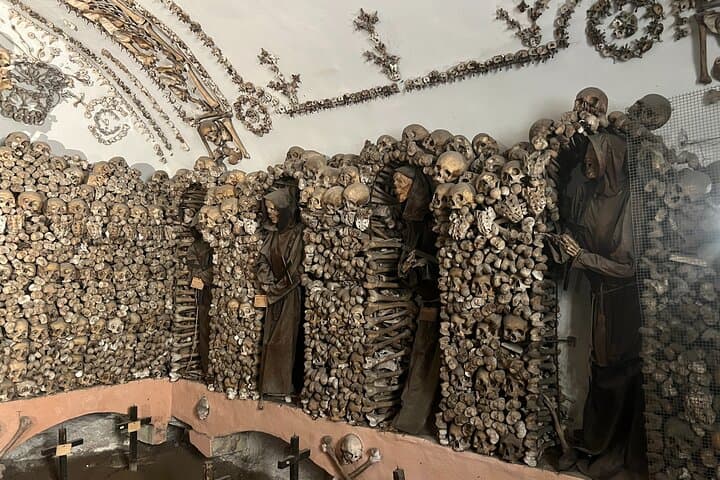
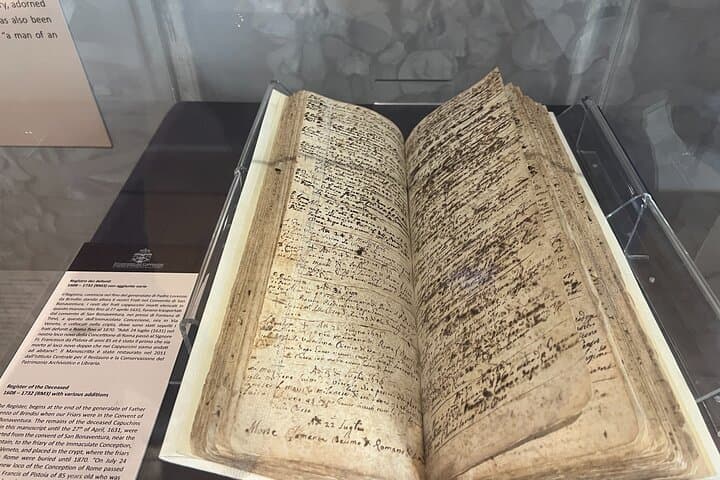
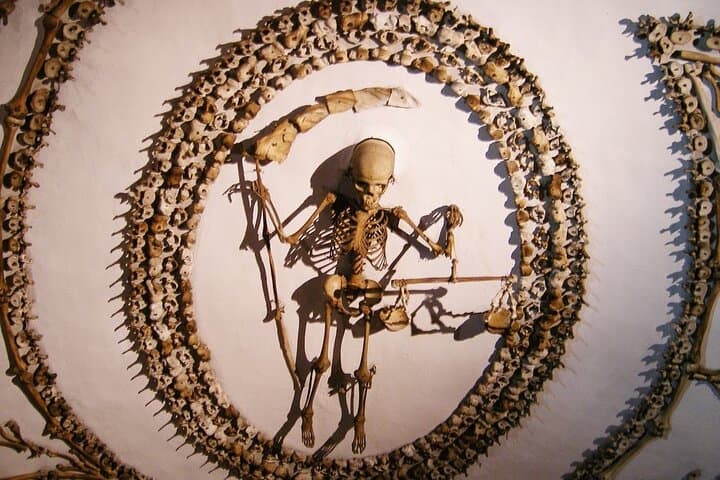
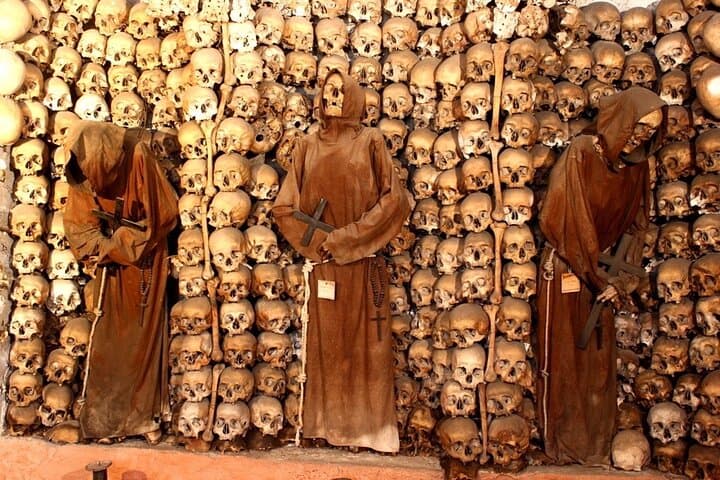
You step off Via Veneto and into a cooler hush; the city’s traffic thins and the air carries the faint scent of espresso and old stone. Descending into the Capuchin Crypt, hundreds of arranged bones meet the light with an unnerving, deliberate calm that redirects attention inward.
You step off Via Veneto and into a cooler hush; the city’s traffic thins and the air carries the faint scent of espresso and old stone. Descending into the Capuchin Crypt, hundreds of arranged bones meet the light with an unnerving, deliberate calm that redirects attention inward.
The crypt beneath Santa Maria della Concezione dei Cappuccini dates to the 17th century and reflects Capuchin friars’ reflections on mortality—bones displayed by order and intent rather than spectacle. Aboveground the same neighborhood tells a different story: Baroque façades, obelisks imported under Rome’s papal ambitions, and Via Veneto’s 20th-century Dolce Vita glamour where actors and journalists once promenaded.
Art history appears in close quarters. Nearby Santa Maria del Popolo houses Caravaggio and Raphael works that illustrate shifts from Renaissance balance to Baroque drama; their brushwork feels immediate after the crypt’s stark geometries. Urban geology is visible too: travertine steps, tufa foundations, and layers of pavement that mark Rome’s continuous reuse of material and space.
Practical guidance: the tour is 2–3 hours with stair descents and cobbled walking—moderate fitness helps. Dress respectfully for churches (shoulders and knees covered); small-group size (up to six) keeps movement steady. Expect quiet photography rules in the crypt and brief queues at security. Bring water, a light layer for underground cool, and plan this in the morning to combine quieter monuments with manageable lines. For travelers curious about contrasts—mortality, devotion, art, and modern glamour—this walk stitches them into a compact Roman lesson, both sensory and thoughtful.