THE ADVENTURE COLLECTIVE® · Independent discovery and booking for outdoor travel

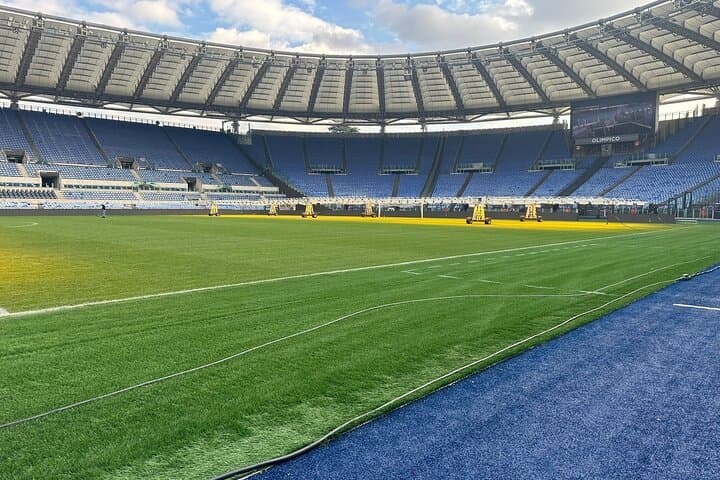
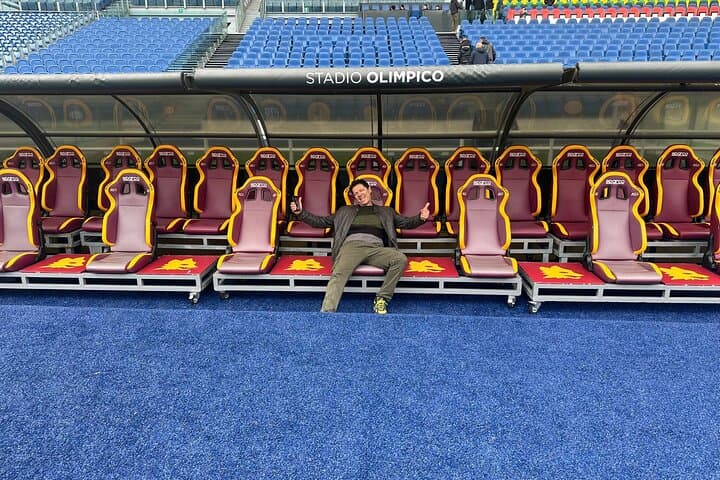
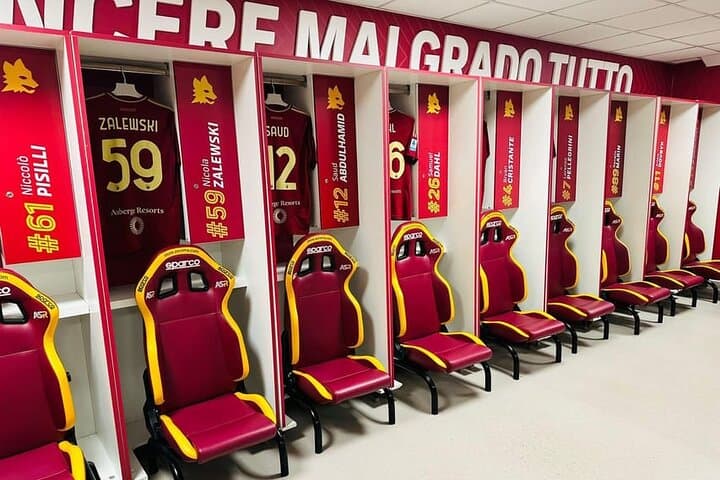
Step through the players' tunnel and across the pitch with an expert guide on this 80‑minute tour of Rome's Olympic Stadium and the Foro Italico. Learn the site's 20th‑century history, see the marble Stadio dei Marmi and access restricted spaces like locker rooms and the press area.
Step through the players' tunnel and across the pitch with an expert guide on this 80‑minute tour of Rome's Olympic Stadium and the Foro Italico. Learn the site's 20th‑century history, see the marble Stadio dei Marmi and access restricted spaces like locker rooms and the press area.
A low concrete roar rises before the group reaches the Monte Mario gate and the city falls away; the marble statues that ring Stadio dei Marmi seem to turn their faces toward the pitch as visitors step through the players' entrance. This guided visit moves from open-air monuments along the Tiber to the hushed interior of the Olympic Stadium, where fluorescent lights and leather benches replace the outdoor air.
Verified experiences and guided adventures in the surrounding area.
Operated by VipinItaly · Rome, Lazio
A low concrete roar rises before the group reaches the Monte Mario gate and the city falls away; the marble statues that ring Stadio dei Marmi seem to turn their faces toward the pitch as visitors step through the players' entrance. This guided visit moves from open-air monuments along the Tiber to the hushed interior of the Olympic Stadium, where fluorescent lights and leather benches replace the outdoor air.
Built in the 1920s–30s as part of the Foro Italico complex, the site reflects Mussolini-era monumentalism: the 36‑meter Carrara obelisk, regimented rows of athlete statues and axial avenues that frame views of Rome. Geologically, the area sits on Roman alluvium above the Tiber floodplain, so the heavy use of Carrara marble was as much symbolic as structural. Culturally, the stadium has hosted Olympic events, Serie A derbies between Roma and Lazio, and international concerts — its meaning shifts between sport, spectacle and civic pride.
Practical guidance: expect an 80‑minute, mostly flat route with short indoor sections (locker rooms, press room, tunnel). Tours may change around concerts or match days; verify open‑field access in summer. Wear supportive shoes for tiled and worn marble surfaces, bring a light layer for cool interior spaces, and keep valuables secure when on the pitch. Photography is generally allowed but restricted in some team areas. Arrival by metro or tram is straightforward; the guide will flag transit options. The tour balances frontline sport rituals with architectural history — it’s compact, informative, and best booked in advance to avoid event closures.
easy.
1–1.5 hours.
Suitable for most adults and children able to walk short distances and stand during commentary
Often yes, but access depends on events; the tour notes whether the pitch is available and will reroute if it’s covered for concerts.
Yes — the site reports wheelchair accessibility for most surfaces and transport options, but check with the operator about specific needs before booking.
Visits typically include locker rooms, the tunnel and press room, but some spaces may be off‑limits on match or event days for security reasons.
Guides lead tours in Italian and English; outside portions may also be offered in Spanish or French depending on the schedule.
The Foro Italico and its stadium were developed in the 1920s–30s as a national sports complex under Fascist Italy; many marble monuments were donated by provinces to celebrate athletic ideals.
Visit with respect for marble and memorial surfaces; large events stress infrastructure, so following marked paths helps protect statues and landscaped areas.
VipinItaly operates guided outdoor trips and adventures with an emphasis on safety, stewardship, and memorable experiences.

A low concrete roar rises before the group reaches the Monte Mario gate and the city falls away; the marble statues that ring Stadio dei Marmi seem to turn their faces toward the pitch as visitors step through the players' entrance. This guided visit moves from open-air monuments along the Tiber to the hushed interior of the Olympic Stadium, where fluorescent lights and leather benches replace the outdoor air.
A low concrete roar rises before the group reaches the Monte Mario gate and the city falls away; the marble statues that ring Stadio dei Marmi seem to turn their faces toward the pitch as visitors step through the players' entrance. This guided visit moves from open-air monuments along the Tiber to the hushed interior of the Olympic Stadium, where fluorescent lights and leather benches replace the outdoor air.
Built in the 1920s–30s as part of the Foro Italico complex, the site reflects Mussolini-era monumentalism: the 36‑meter Carrara obelisk, regimented rows of athlete statues and axial avenues that frame views of Rome. Geologically, the area sits on Roman alluvium above the Tiber floodplain, so the heavy use of Carrara marble was as much symbolic as structural. Culturally, the stadium has hosted Olympic events, Serie A derbies between Roma and Lazio, and international concerts — its meaning shifts between sport, spectacle and civic pride.
Practical guidance: expect an 80‑minute, mostly flat route with short indoor sections (locker rooms, press room, tunnel). Tours may change around concerts or match days; verify open‑field access in summer. Wear supportive shoes for tiled and worn marble surfaces, bring a light layer for cool interior spaces, and keep valuables secure when on the pitch. Photography is generally allowed but restricted in some team areas. Arrival by metro or tram is straightforward; the guide will flag transit options. The tour balances frontline sport rituals with architectural history — it’s compact, informative, and best booked in advance to avoid event closures.