THE ADVENTURE COLLECTIVE® · Independent discovery and booking for outdoor travel

Walk the steep alleys of Rocinha with a local guide and see a side of Rio de Janeiro shaped by community, small businesses and street culture. This 2–3 hour Roots favela tour mixes history, local projects and practical tips for safe, respectful visits.
Walk the steep alleys of Rocinha with a local guide and see a side of Rio de Janeiro shaped by community, small businesses and street culture. This 2–3 hour Roots favela tour mixes history, local projects and practical tips for safe, respectful visits.
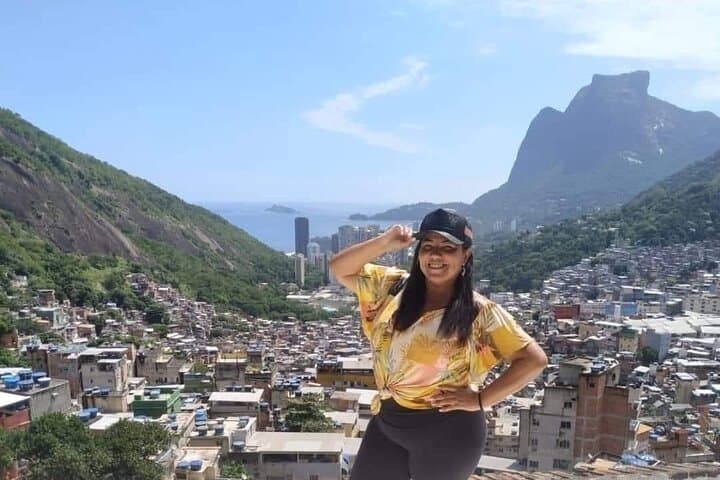
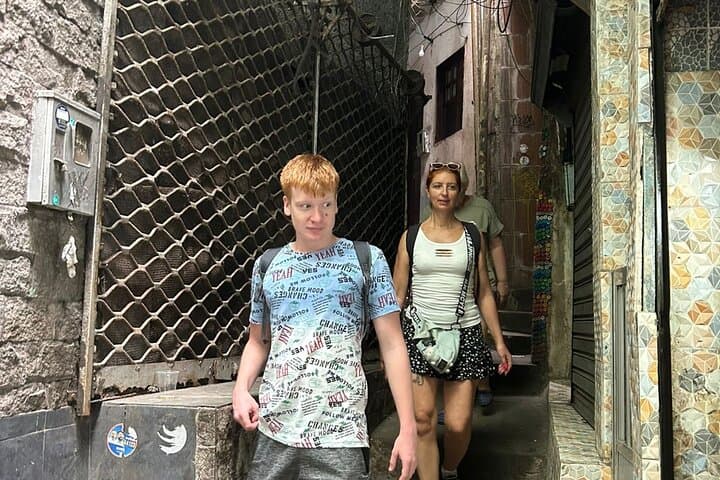
You step off the main road and the city shifts — voices, music and the clatter of daily life compress into a narrow ribbon of alleys climbing the hillside. The favela’s rooftops stack like a hand-built puzzle, laundry swaying on lines, children darting between steps. The Roots Favela Tour follows these arteries, offering a guided walk through Rocinha’s streets where color, commerce and community are immediate and uncompromising.
Verified experiences and guided adventures in the surrounding area.
Operated by Merynha Sorriso · Rio de Janeiro, Rio de Janeiro
You step off the main road and the city shifts — voices, music and the clatter of daily life compress into a narrow ribbon of alleys climbing the hillside. The favela’s rooftops stack like a hand-built puzzle, laundry swaying on lines, children darting between steps. The Roots Favela Tour follows these arteries, offering a guided walk through Rocinha’s streets where color, commerce and community are immediate and uncompromising.
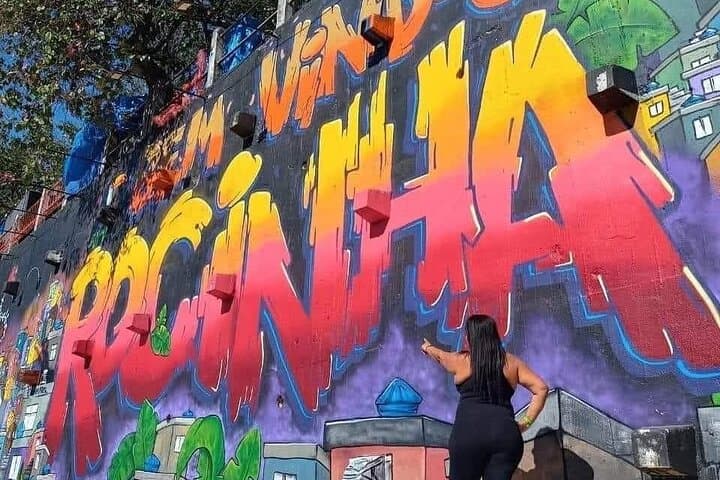
Rocinha began as an informal settlement in the mid-20th century and grew into one of Brazil’s largest favelas, shaped by migration, informal construction and neighborhood-led services. Geologically the area is part of Rio’s coastal hills — steep slopes of weathered rock and compacted soil that funnel rain and create stairway routes rather than broad streets. Culturally it’s active: street art, samba beats and small creative businesses sit alongside family homes and community centers.
Expect narrow, stepped paths, occasional steep climbs and encounters with entrepreneurial micro-economies — barbers, markets and snack stalls that form the tour’s living backdrop. Guides focus on local history, community projects and safe, respectful engagement; photography etiquette is emphasized.
Practical notes: the walk runs about 2–3 hours, requires moderate fitness for stair climbing, and works best outside peak heat. Wear closed-toe shoes, carry water, keep valuables minimal and bring small bills to support local vendors. The experience is urban, human-centered and immediate — a chance to see Rio’s social geography from inside, guided by people who live and work here.
moderate.
2–3 hours.
You should be comfortable walking on stairs and steep, uneven paths for up to three hours; basic cardiovascular fitness and mobility are required.
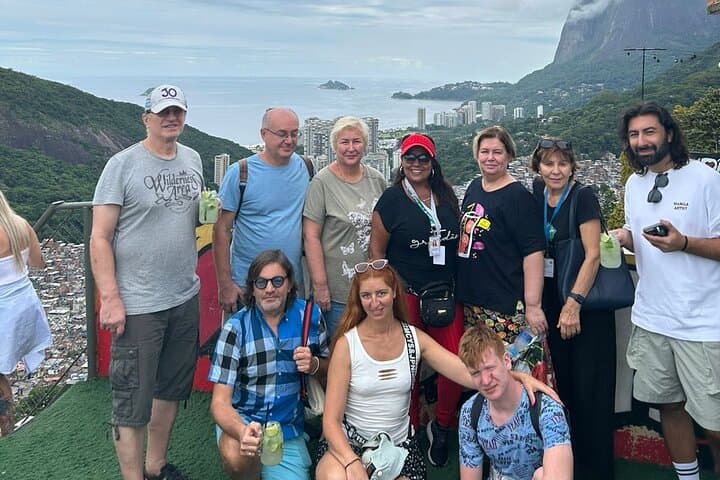
Guided tours operate with local knowledge and community partnerships; follow your guide’s safety advice, avoid flashing valuables and stay with the group.
The tour is moderately strenuous — expect many steps and short, steep climbs. Participants should have basic mobility and stamina for 2–3 hours.
Yes — small denominations are useful for snacks, restrooms or tipping local vendors and guides who may prefer cash.
Most guides speak Portuguese and many tours offer English-speaking guides; check the booking page for language options and request one if needed.
Rocinha expanded rapidly from mid-20th-century rural-to-urban migration, evolving into a dense, self-organized neighborhood with strong community associations and local entrepreneurship.
Tours that hire local guides and spend money at neighborhood businesses help sustain the local economy; visitors should avoid littering, respect private property and ask before photographing residents.
Merynha Sorriso operates guided outdoor trips and adventures with an emphasis on safety, stewardship, and memorable experiences.
You step off the main road and the city shifts — voices, music and the clatter of daily life compress into a narrow ribbon of alleys climbing the hillside. The favela’s rooftops stack like a hand-built puzzle, laundry swaying on lines, children darting between steps. The Roots Favela Tour follows these arteries, offering a guided walk through Rocinha’s streets where color, commerce and community are immediate and uncompromising.
You step off the main road and the city shifts — voices, music and the clatter of daily life compress into a narrow ribbon of alleys climbing the hillside. The favela’s rooftops stack like a hand-built puzzle, laundry swaying on lines, children darting between steps. The Roots Favela Tour follows these arteries, offering a guided walk through Rocinha’s streets where color, commerce and community are immediate and uncompromising.
Rocinha began as an informal settlement in the mid-20th century and grew into one of Brazil’s largest favelas, shaped by migration, informal construction and neighborhood-led services. Geologically the area is part of Rio’s coastal hills — steep slopes of weathered rock and compacted soil that funnel rain and create stairway routes rather than broad streets. Culturally it’s active: street art, samba beats and small creative businesses sit alongside family homes and community centers.
Expect narrow, stepped paths, occasional steep climbs and encounters with entrepreneurial micro-economies — barbers, markets and snack stalls that form the tour’s living backdrop. Guides focus on local history, community projects and safe, respectful engagement; photography etiquette is emphasized.
Practical notes: the walk runs about 2–3 hours, requires moderate fitness for stair climbing, and works best outside peak heat. Wear closed-toe shoes, carry water, keep valuables minimal and bring small bills to support local vendors. The experience is urban, human-centered and immediate — a chance to see Rio’s social geography from inside, guided by people who live and work here.