THE ADVENTURE COLLECTIVE® · Independent discovery and booking for outdoor travel

Walk Rocinha with guides who grew up here and see the favela through local eyes. This three-hour private tour threads alleys, rooftops and community projects while offering context on history and daily life.
Walk Rocinha with guides who grew up here and see the favela through local eyes. This three-hour private tour threads alleys, rooftops and community projects while offering context on history and daily life.
You step off the metro and the city’s rhythm changes—narrow alleys climb the hillside in a braided network of stairs, storefronts and painted murals. The favela’s rooftops open like terraces onto the Atlantic skyline; voices and music drift up from courtyards as guides born here lead you through routes locals use every day.
Verified experiences and guided adventures in the surrounding area.
Operated by Favela Brothers Tour · Rio de Janeiro, Rio de Janeiro
You step off the metro and the city’s rhythm changes—narrow alleys climb the hillside in a braided network of stairs, storefronts and painted murals. The favela’s rooftops open like terraces onto the Atlantic skyline; voices and music drift up from courtyards as guides born here lead you through routes locals use every day.
Rocinha is Brazil’s largest favela, born from mid-20th century rural-to-city migration and expanded into a dense, self-built neighborhood that now supports schools, markets and cultural projects. The geology is simple but striking: steep schist slopes reworked by concrete, where run-off dictates the alignment of streets and the view corridors toward São Conrado and Dois Irmãos.
This tour is a walking cultural immersion—alleys, roof-top viewpoints, community-run projects and small restaurants where you can try local snacks. Expect conversation about daily life, local history, and community initiatives; your guide will frame city stories from inside the favela rather than the outside-looking-in narrative.
Practical guidance: wear sturdy walking shoes for uneven steps and short flights, carry water and small change for purchases at local shops, and set aside roughly three hours. The route is urban and non-technical but can be physically active due to stairs and inclines. Respect private spaces, follow your guide’s directions during narrow-passage sections, and consider tipping or buying from community businesses to support local projects. Morning departures are cooler and quieter; late afternoons bring warm light and rooftop views toward the ocean.
easy.
3 hours.
Suitable for most fitness levels—requires ability to climb multiple short flights of stairs and stand for guided explanations.
Guided visits with local operators like Favela Brothers are generally safe; stick with your guide, avoid isolated areas, and follow local advice on routes and behavior.
No—this tour provides bilingual guides, but basic phrases are appreciated and vendors may prefer Portuguese for small purchases.
The tour meets near a metro station for easy access and typically returns to the same meeting point; confirm exact meeting details when booking.
Children are welcome but the route includes stairs and steep sections; the tour is rated physically easy but not fully accessible for wheelchairs.
Rocinha grew rapidly in the 20th century as migrants settled Rio’s hillsides, evolving into a dense, self-built neighborhood with vibrant local enterprises.
Responsible tourism supports local businesses and programs; avoid littering, respect private property, and consider purchasing from community projects to contribute directly.
Favela Brothers Tour operates guided outdoor trips and adventures with an emphasis on safety, stewardship, and memorable experiences.
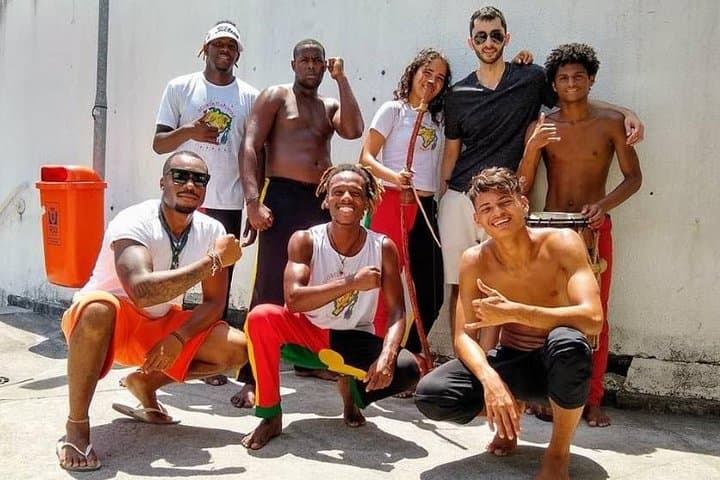
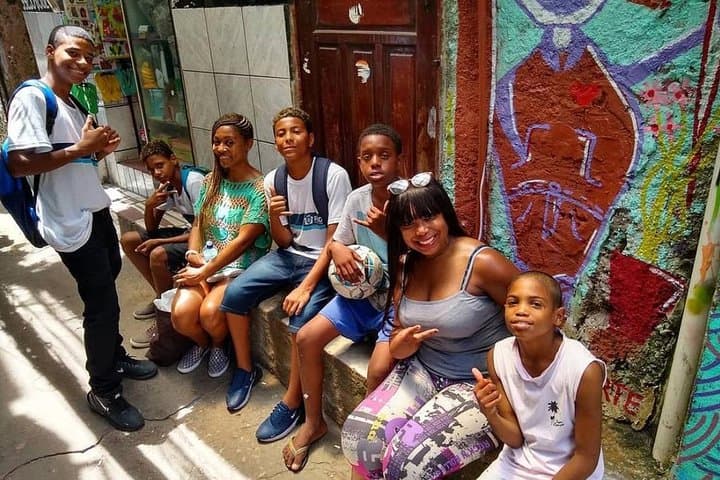
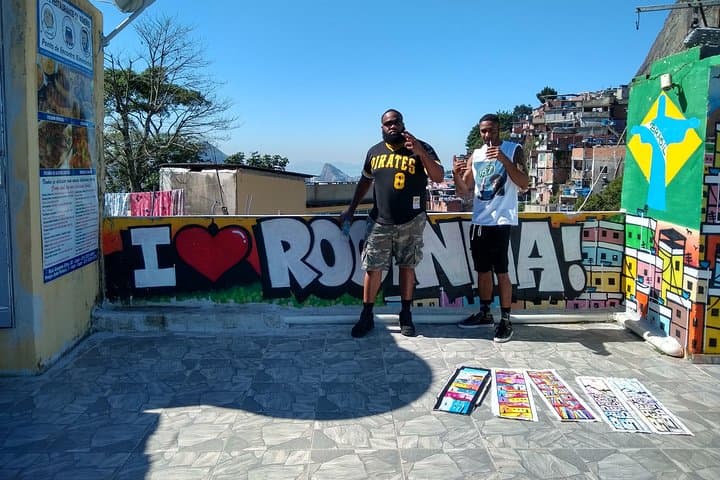
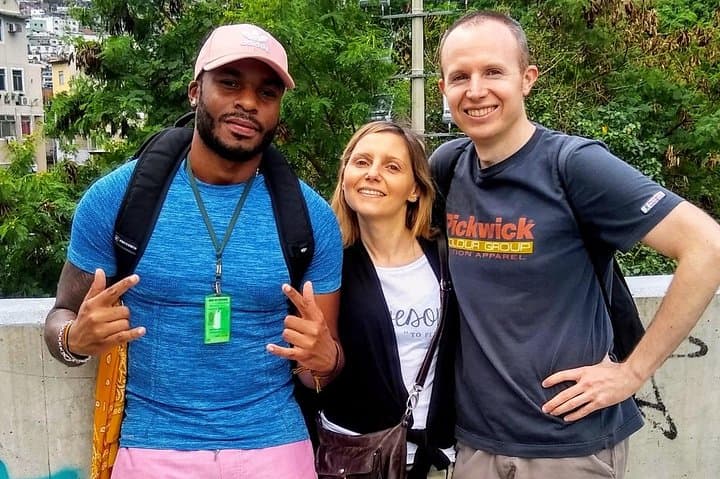
You step off the metro and the city’s rhythm changes—narrow alleys climb the hillside in a braided network of stairs, storefronts and painted murals. The favela’s rooftops open like terraces onto the Atlantic skyline; voices and music drift up from courtyards as guides born here lead you through routes locals use every day.
You step off the metro and the city’s rhythm changes—narrow alleys climb the hillside in a braided network of stairs, storefronts and painted murals. The favela’s rooftops open like terraces onto the Atlantic skyline; voices and music drift up from courtyards as guides born here lead you through routes locals use every day.
Rocinha is Brazil’s largest favela, born from mid-20th century rural-to-city migration and expanded into a dense, self-built neighborhood that now supports schools, markets and cultural projects. The geology is simple but striking: steep schist slopes reworked by concrete, where run-off dictates the alignment of streets and the view corridors toward São Conrado and Dois Irmãos.
This tour is a walking cultural immersion—alleys, roof-top viewpoints, community-run projects and small restaurants where you can try local snacks. Expect conversation about daily life, local history, and community initiatives; your guide will frame city stories from inside the favela rather than the outside-looking-in narrative.
Practical guidance: wear sturdy walking shoes for uneven steps and short flights, carry water and small change for purchases at local shops, and set aside roughly three hours. The route is urban and non-technical but can be physically active due to stairs and inclines. Respect private spaces, follow your guide’s directions during narrow-passage sections, and consider tipping or buying from community businesses to support local projects. Morning departures are cooler and quieter; late afternoons bring warm light and rooftop views toward the ocean.