THE ADVENTURE COLLECTIVE® · Independent discovery and booking for outdoor travel

Experience Rocinha through the eyes of locals on a three-hour walking immersion with guides born in the community. Navigate steep alleys, visit a home and a Capoeira project, and take in panoramic views while learning about the favela’s history and daily life.
Experience Rocinha through the eyes of locals on a three-hour walking immersion with guides born in the community. Navigate steep alleys, visit a home and a Capoeira project, and take in panoramic views while learning about the favela’s history and daily life.
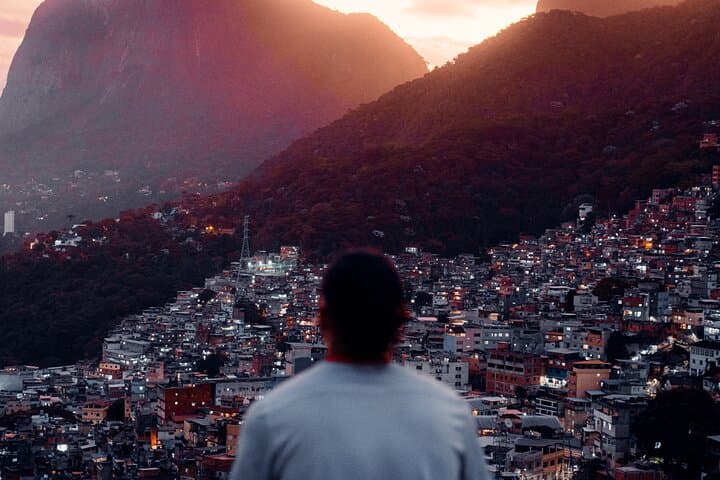
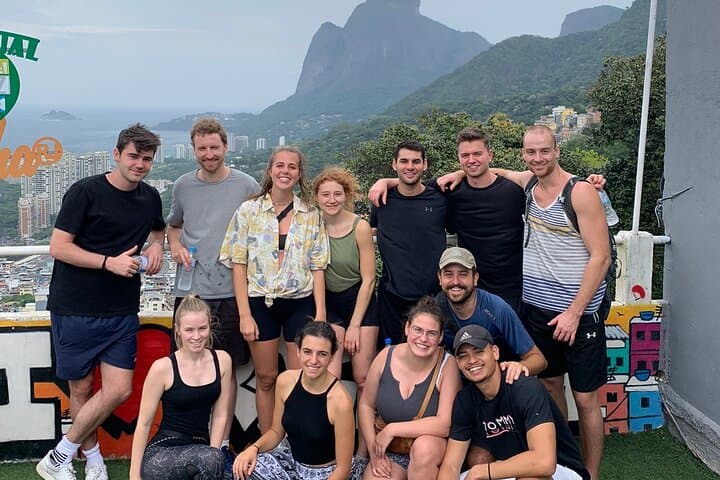
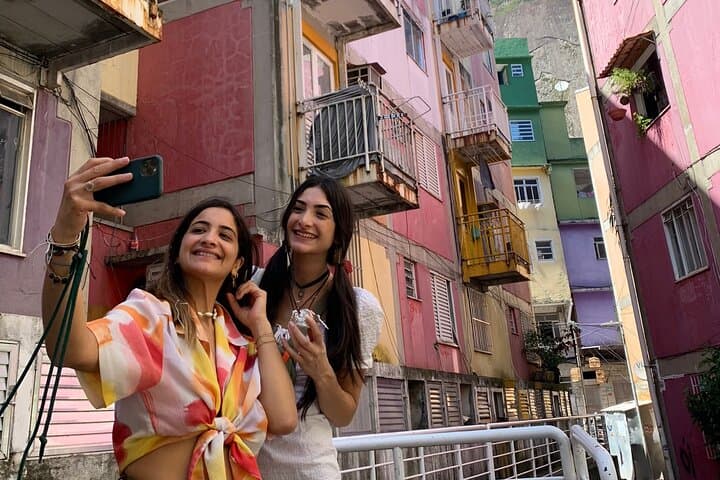
A motorcycle taxi climbs the narrow spine of Rio’s hillside and the city unfurls below—white beach, curved bay, and a crowd of stacked houses pressing up against the green shoulder of the hill. That is the opening image of a three-hour immersion in Rocinha led by guides who grew up here: Pablo and Henrique. The tour moves at a walking pace through bécos (tight alleys), past community walls painted with local art, and up to a viewpoint where the ocean dares you to look away.
Verified experiences and guided adventures in the surrounding area.
Operated by Favela Lives Tour · Rio de Janeiro, Rio de Janeiro
A motorcycle taxi climbs the narrow spine of Rio’s hillside and the city unfurls below—white beach, curved bay, and a crowd of stacked houses pressing up against the green shoulder of the hill. That is the opening image of a three-hour immersion in Rocinha led by guides who grew up here: Pablo and Henrique. The tour moves at a walking pace through bécos (tight alleys), past community walls painted with local art, and up to a viewpoint where the ocean dares you to look away.
Rocinha began as informal housing on steep granite and gneiss slopes and expanded through the 20th century into Latin America’s largest favela. Its layout follows the geology: narrow switchbacks, stairways, and rooftops that double as terraces. Culture here is public and musical—Capoeira classes and neighborhood projects are part of daily life, and residents run micro-businesses from doorways.
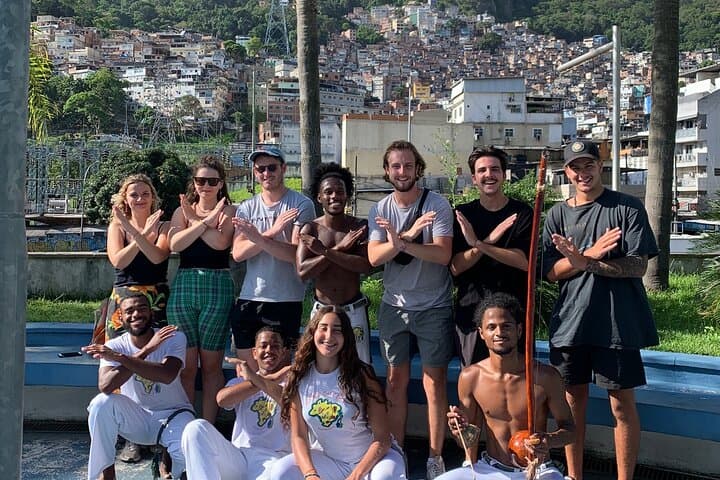
The practical side: expect stairs, uneven stone and concrete, and pockets of shade and sun. Guides stay with groups and introduce visitors to community projects, local homes, and a social Capoeira space. Respect is essential—ask before photographing people, carry small bills for purchases, and keep valuables discreet. Hydrate and wear grippy shoes; early morning or late afternoon tours avoid the strongest sun.
This is a guided social and cultural walk rather than a sightseeing shortcut. It’s an opportunity to see urban resilience up close, to hear first-hand stories from people who live here, and to leave with a clearer picture of how a city’s edges are built, defended, and celebrated.
moderate.
3 hours.
Moderate fitness—able to walk uphill and handle flights of stairs for several hours.
Tours are led by local guides who know safe routes; follow their instructions, avoid flashy items, and visit during daylight for the standard guided experience.
Expect steep pathways and many stairs—participants should have moderate fitness and be comfortable walking uneven surfaces for three hours.
Ask permission before photographing residents or private spaces; guides can introduce you and facilitate respectful shots.
There are small cafes and neighborhood stalls along the route and the guide can point out options; public restrooms are limited so plan accordingly.
Rocinha formed in the 20th century as migrants built informal housing on steep granite slopes; it grew into a densely populated urban community with its own services and social networks.
Support local businesses and community projects; avoid leaving waste, ask before filming community spaces, and consider booking tours that reinvest in local initiatives.
Favela Lives Tour operates guided outdoor trips and adventures with an emphasis on safety, stewardship, and memorable experiences.
A motorcycle taxi climbs the narrow spine of Rio’s hillside and the city unfurls below—white beach, curved bay, and a crowd of stacked houses pressing up against the green shoulder of the hill. That is the opening image of a three-hour immersion in Rocinha led by guides who grew up here: Pablo and Henrique. The tour moves at a walking pace through bécos (tight alleys), past community walls painted with local art, and up to a viewpoint where the ocean dares you to look away.
A motorcycle taxi climbs the narrow spine of Rio’s hillside and the city unfurls below—white beach, curved bay, and a crowd of stacked houses pressing up against the green shoulder of the hill. That is the opening image of a three-hour immersion in Rocinha led by guides who grew up here: Pablo and Henrique. The tour moves at a walking pace through bécos (tight alleys), past community walls painted with local art, and up to a viewpoint where the ocean dares you to look away.
Rocinha began as informal housing on steep granite and gneiss slopes and expanded through the 20th century into Latin America’s largest favela. Its layout follows the geology: narrow switchbacks, stairways, and rooftops that double as terraces. Culture here is public and musical—Capoeira classes and neighborhood projects are part of daily life, and residents run micro-businesses from doorways.
The practical side: expect stairs, uneven stone and concrete, and pockets of shade and sun. Guides stay with groups and introduce visitors to community projects, local homes, and a social Capoeira space. Respect is essential—ask before photographing people, carry small bills for purchases, and keep valuables discreet. Hydrate and wear grippy shoes; early morning or late afternoon tours avoid the strongest sun.
This is a guided social and cultural walk rather than a sightseeing shortcut. It’s an opportunity to see urban resilience up close, to hear first-hand stories from people who live here, and to leave with a clearer picture of how a city’s edges are built, defended, and celebrated.