THE ADVENTURE COLLECTIVE® · Independent discovery and booking for outdoor travel

Experience Rocinha with a knowledgeable local guide on a half-day tour that combines a panoramic approach, a neighborhood walk and an informative talk about life in one of Rio’s largest favelas. Practical tips and respectful behavior will make the visit meaningful.
Experience Rocinha with a knowledgeable local guide on a half-day tour that combines a panoramic approach, a neighborhood walk and an informative talk about life in one of Rio’s largest favelas. Practical tips and respectful behavior will make the visit meaningful.
You arrive along the Gávea road with the city falling away beneath the mountains and the Atlantic breeze daring you to pay attention. From a roadside lookout the stacked houses of Rocinha appear like an urban cliff—tight alleys, painted walls, rooftops that double as gardens and laundry lines. The guide meets you with local stories; within minutes the rhythm of daily life replaces the tourist gaze.
Verified experiences and guided adventures in the surrounding area.
Operated by Gray Line Brazil · Rio de Janeiro, Rio de Janeiro
You arrive along the Gávea road with the city falling away beneath the mountains and the Atlantic breeze daring you to pay attention. From a roadside lookout the stacked houses of Rocinha appear like an urban cliff—tight alleys, painted walls, rooftops that double as gardens and laundry lines. The guide meets you with local stories; within minutes the rhythm of daily life replaces the tourist gaze.
Rocinha grew during the 20th century as migrants built informal housing on steep slopes, and its history is one of rapid urban growth, informal economies and strong community networks. Geologically, the favela clings to granite hills that feed the Tijuca Forest’s runoff toward São Conrado beach, shaping narrow, stepped streets and panoramic viewpoints. Culturally, expect music, small commerce, and murals that reflect local identity—this is a living neighborhood, not a museum.
The experience blends a short walk, a community lecture, and a panoramic jeep descent, ending at São Conrado’s sand and sea. Practical guidance: wear comfortable, grippy shoes for uneven steps, bring a refillable water bottle and sun protection, and listen to the guide about respectful photography and interactions. Plan for roughly three hours, with a mix of standing, walking, and vehicle time.
This tour is best approached with curiosity and humility: you’ll leave with sharper context on Rio’s social geography and a clearer sense of how tourism can support local initiatives when done responsibly.
easy.
3 hours.
Suitable for most fitness levels; involves short uphill walks and standing during talks.
Tours operate with local guides experienced in navigating the community; follow their instructions, keep belongings secure, and avoid wandering off the group.
Photography is allowed in public spaces but always ask individuals before photographing them and follow your guide’s guidance on sensitive areas.
Yes—this tour typically includes hotel pickup and drop-off within Rio’s main tourist zones; confirm your pickup point when booking.
Infants must sit on an adult’s lap; the walk is short and suitable for children who can manage steps, but consider noise and crowds.
Rocinha formed as rural migrants built informal housing on steep slopes during the 20th century; over decades it developed its own economy, culture and community institutions.
Responsible visits support local guides and small businesses; avoid littering, respect community rules and opt for operators who hire locally or contribute to neighborhood initiatives.
Gray Line Brazil operates guided outdoor trips and adventures with an emphasis on safety, stewardship, and memorable experiences.
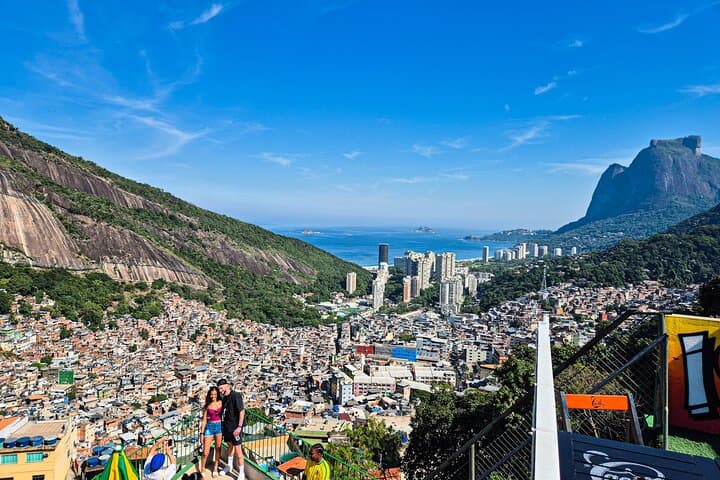
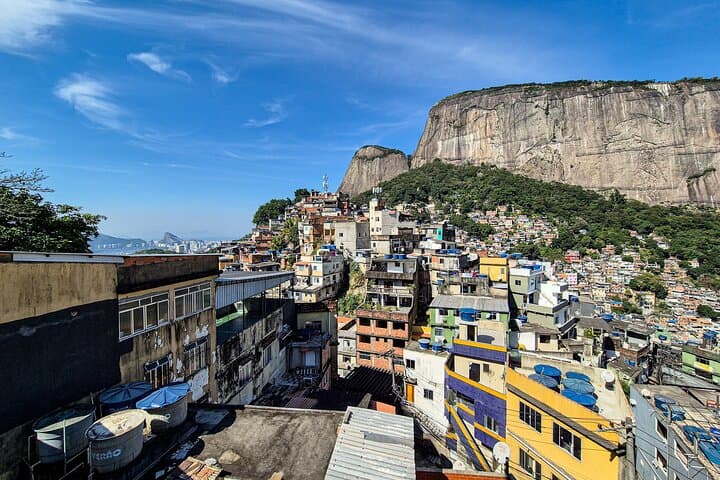
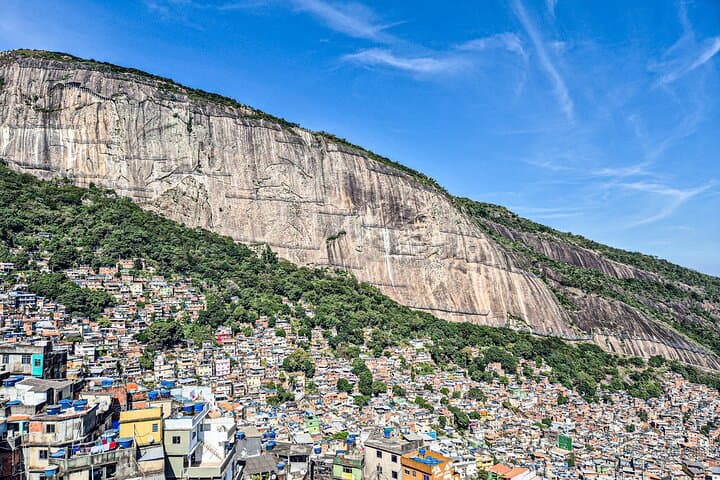
You arrive along the Gávea road with the city falling away beneath the mountains and the Atlantic breeze daring you to pay attention. From a roadside lookout the stacked houses of Rocinha appear like an urban cliff—tight alleys, painted walls, rooftops that double as gardens and laundry lines. The guide meets you with local stories; within minutes the rhythm of daily life replaces the tourist gaze.
You arrive along the Gávea road with the city falling away beneath the mountains and the Atlantic breeze daring you to pay attention. From a roadside lookout the stacked houses of Rocinha appear like an urban cliff—tight alleys, painted walls, rooftops that double as gardens and laundry lines. The guide meets you with local stories; within minutes the rhythm of daily life replaces the tourist gaze.
Rocinha grew during the 20th century as migrants built informal housing on steep slopes, and its history is one of rapid urban growth, informal economies and strong community networks. Geologically, the favela clings to granite hills that feed the Tijuca Forest’s runoff toward São Conrado beach, shaping narrow, stepped streets and panoramic viewpoints. Culturally, expect music, small commerce, and murals that reflect local identity—this is a living neighborhood, not a museum.
The experience blends a short walk, a community lecture, and a panoramic jeep descent, ending at São Conrado’s sand and sea. Practical guidance: wear comfortable, grippy shoes for uneven steps, bring a refillable water bottle and sun protection, and listen to the guide about respectful photography and interactions. Plan for roughly three hours, with a mix of standing, walking, and vehicle time.
This tour is best approached with curiosity and humility: you’ll leave with sharper context on Rio’s social geography and a clearer sense of how tourism can support local initiatives when done responsibly.