THE ADVENTURE COLLECTIVE® · Independent discovery and booking for outdoor travel

Ride a motorcycle taxi up the favela’s spine and walk through Rocinha with a resident guide who connects viewpoints, street art and community projects. This three-hour cultural immersion focuses on daily life, local trade and panoramic views of Rio.
Ride a motorcycle taxi up the favela’s spine and walk through Rocinha with a resident guide who connects viewpoints, street art and community projects. This three-hour cultural immersion focuses on daily life, local trade and panoramic views of Rio.
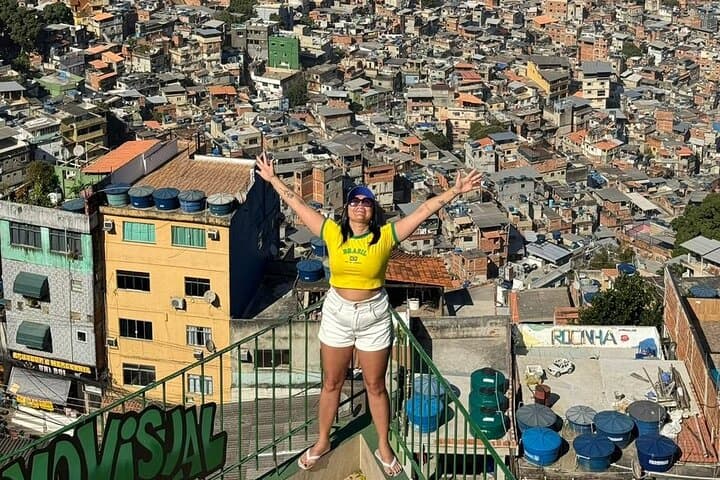
The tour begins at the edge of São Conrado, where the city’s pulse slows and the hillside rises—motorcycle taxis dart up the steep streets, and the favela unfolds like a living map beneath your feet.
Verified experiences and guided adventures in the surrounding area.
Operated by Passeio Rocinha Tour – Local Experience · Rio de Janeiro, Rio de Janeiro
The tour begins at the edge of São Conrado, where the city’s pulse slows and the hillside rises—motorcycle taxis dart up the steep streets, and the favela unfolds like a living map beneath your feet.
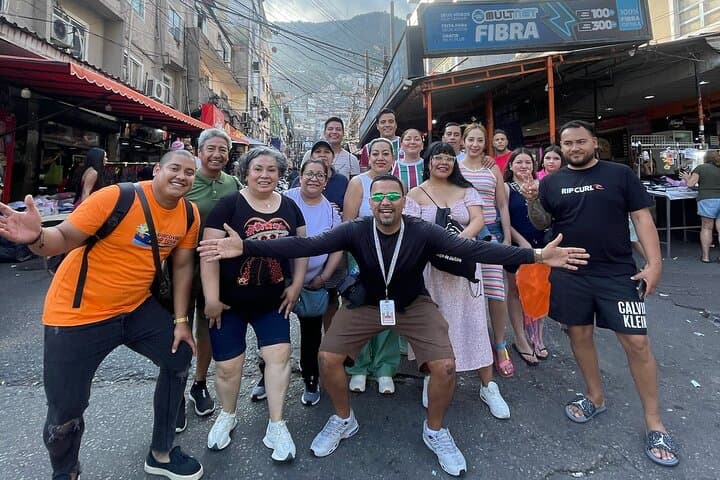
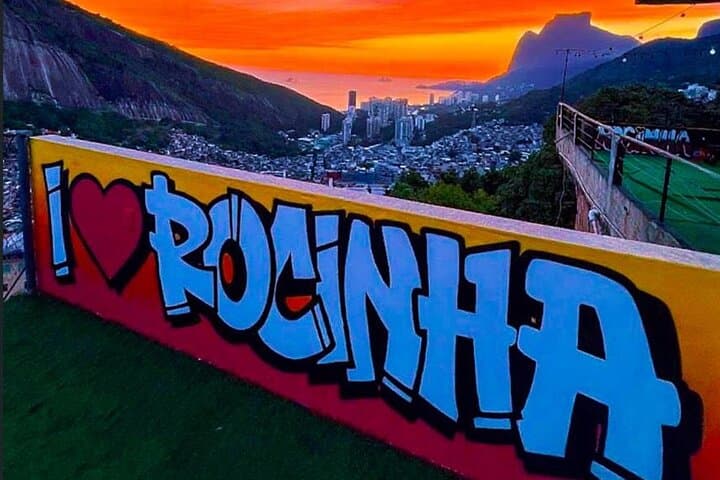
A local guide born in Rocinha leads small groups along narrow vielas and winding stairways, pausing at mirantes for sweeping views of Christ the Redeemer, the bay, and the Atlantic. The route threads together painted walls, small family businesses, and community social projects, each stop offering a practical window into daily life rather than postcard clichés.
Rocinha grew from mid-20th-century rural settlements into one of Brazil’s largest favelas, its stacked houses clinging to granite slopes carved by erosion and city growth. Urban art and informally run cooperatives speak to both creative vitality and grassroots enterprise.
Expect a mix of paved alleys, concrete steps, and occasional uneven terrain; climbs are short but constant, and the air can be humid. The guide explains community initiatives and how tourism helps fund local projects, while recommending where to try a typical snack or buy artisan goods.
Practical notes: wear close-toed shoes with good grip, carry water, and keep valuables discreet. The three-hour itinerary includes a motorcycle-taxi ascent, several panoramic viewpoints, a visit to community projects, and free time for a modest lunch. Photography is welcome but follow the guide’s lead when entering private spaces. This is a cultural immersion designed to be respectful, safe, and informative for travelers who want to see the favela through local eyes.
easy.
3 hours.
Suitable for most fitness levels; able to manage repeated short climbs and uneven steps.
The tour lasts about three hours with continuous walking through alleys and stairways; expect short, frequent climbs and several stops.
Yes; guides use experienced motorcycle taxi drivers for the short climb, but it’s not recommended for travelers with spinal injuries or poor cardiovascular health.
Yes; there are small eateries and artisan stalls—bring cash for purchases and a modest fee for terrace entrances if applicable.
Infants are allowed but must sit on an adult’s lap; the terrain can be challenging for very young children or strollers.
Rocinha expanded in the mid-20th century as rural migrants built informal housing on the hillsides; over decades it developed a dense, vertically layered settlement with vibrant local commerce.
Responsible tourism supports community projects and local businesses; visitors are encouraged to respect private spaces, reduce litter, and follow guide instructions to minimize impact.
Passeio Rocinha Tour – Local Experience operates guided outdoor trips and adventures with an emphasis on safety, stewardship, and memorable experiences.

The tour begins at the edge of São Conrado, where the city’s pulse slows and the hillside rises—motorcycle taxis dart up the steep streets, and the favela unfolds like a living map beneath your feet.
The tour begins at the edge of São Conrado, where the city’s pulse slows and the hillside rises—motorcycle taxis dart up the steep streets, and the favela unfolds like a living map beneath your feet.
A local guide born in Rocinha leads small groups along narrow vielas and winding stairways, pausing at mirantes for sweeping views of Christ the Redeemer, the bay, and the Atlantic. The route threads together painted walls, small family businesses, and community social projects, each stop offering a practical window into daily life rather than postcard clichés.
Rocinha grew from mid-20th-century rural settlements into one of Brazil’s largest favelas, its stacked houses clinging to granite slopes carved by erosion and city growth. Urban art and informally run cooperatives speak to both creative vitality and grassroots enterprise.
Expect a mix of paved alleys, concrete steps, and occasional uneven terrain; climbs are short but constant, and the air can be humid. The guide explains community initiatives and how tourism helps fund local projects, while recommending where to try a typical snack or buy artisan goods.
Practical notes: wear close-toed shoes with good grip, carry water, and keep valuables discreet. The three-hour itinerary includes a motorcycle-taxi ascent, several panoramic viewpoints, a visit to community projects, and free time for a modest lunch. Photography is welcome but follow the guide’s lead when entering private spaces. This is a cultural immersion designed to be respectful, safe, and informative for travelers who want to see the favela through local eyes.