THE ADVENTURE COLLECTIVE® · Independent discovery and booking for outdoor travel

Walkable passages, helmeted headlamps and visible fossils: the Riverbend Cave Explorer offers a family-friendly intro to subterranean geology on Vancouver Island. Learn about crystal formations and local history while moving through safe, interpretive passages.
Walkable passages, helmeted headlamps and visible fossils: the Riverbend Cave Explorer offers a family-friendly intro to subterranean geology on Vancouver Island. Learn about crystal formations and local history while moving through safe, interpretive passages.
Step off the forested trail and the air cools; the cave mouth breathes out a damp, mineral-scented gust that seems to pull you inward. On the Riverbend Cave Explorer, a guided 1.5–2 hour route threads through low, walkable passages where light from your helmet reveals glittering crystal crusts and banded limestone that records ancient seas.
Verified experiences and guided adventures in the surrounding area.
Operated by Horne Lake Caves · Parksville, British Columbia
Step off the forested trail and the air cools; the cave mouth breathes out a damp, mineral-scented gust that seems to pull you inward. On the Riverbend Cave Explorer, a guided 1.5–2 hour route threads through low, walkable passages where light from your helmet reveals glittering crystal crusts and banded limestone that records ancient seas.
The flowstone and stalactites here are records of millennia — layers of calcium carbonate deposited slowly as water seeped through bedrock. Fossil fragments embedded in tooling surfaces hint at the marine life that once lived when these rocks formed. The human story is younger but visible: early mapping and local logging history brought attention to caves on Vancouver Island, while modern stewardship balances access with protection.
Expect close-up geology lessons from a professional guide, mandatory helmets and headlamps, and paths that avoid tight crawling — the tour is designed for families and those new to spelunking. The cave’s cool, constant temperature and uneven rocky footing mean you’ll move deliberately; the guide times stops to point out features and fossilized textures.
Practical notes: wear sturdy, closed-toe shoes with good tread, layer for cool interior air, and bring a small daypack for water and a jacket. Cameras are fine but avoid flash on delicate formations. Tours often run small and require advance booking; they may cancel for poor weather or low bookings. If you’re curious about geology without committing to technical caving, this is an accessible, interpretive introduction that rewards attention with close encounters of an underground kind.
easy.
1.5–2 hours.
Suitable for most fitness levels; involves walking on uneven rock and short inclines.
Yes — the tour is family-friendly and avoids crawling or vertical climbs, but children should be able to walk on uneven terrain and follow instructions.
No technical experience is required; basic mobility and comfort on rocky ground are sufficient.
Tie back long hair and secure loose items to avoid snagging on rock or a helmet during the tour.
Yes — the tour includes helmet and headlamp rental as part of the activity.
Caves on Vancouver Island formed in soluble limestone and were mapped during local logging and exploration in the 20th century; they reveal marine deposits from ancient seabeds.
Tours limit group sizes and require guests to stay on established routes to protect fragile speleothems; follow 'leave no trace' rules and avoid touching formations.
Horne Lake Caves operates guided outdoor trips and adventures with an emphasis on safety, stewardship, and memorable experiences.
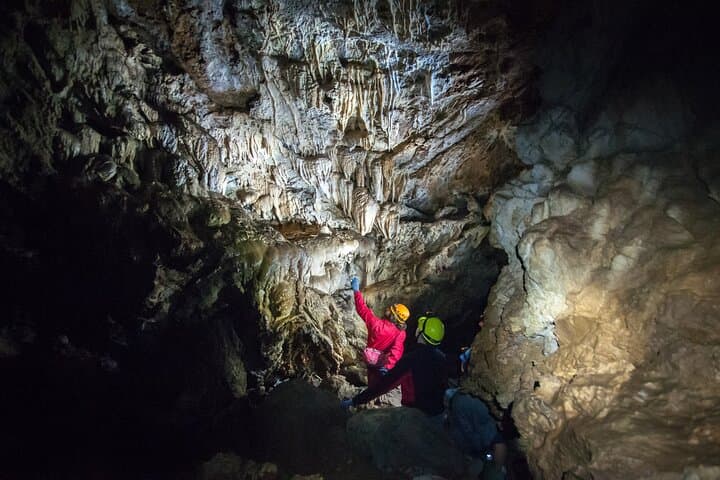
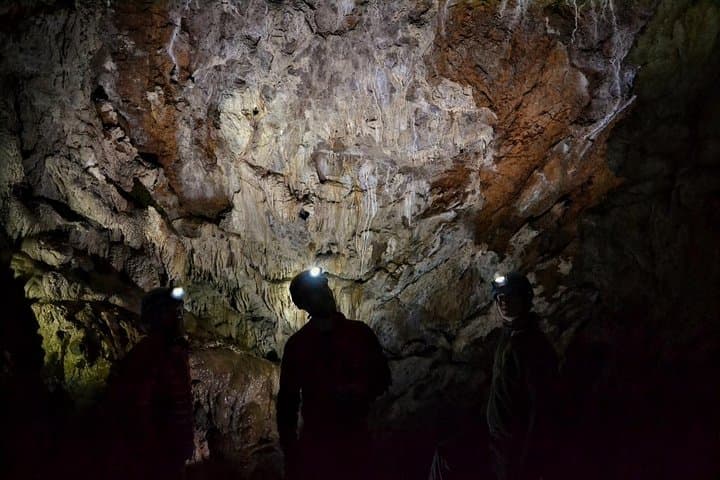
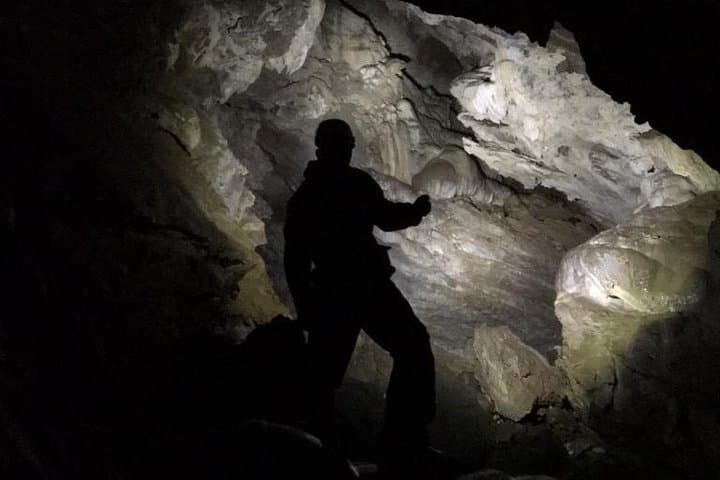
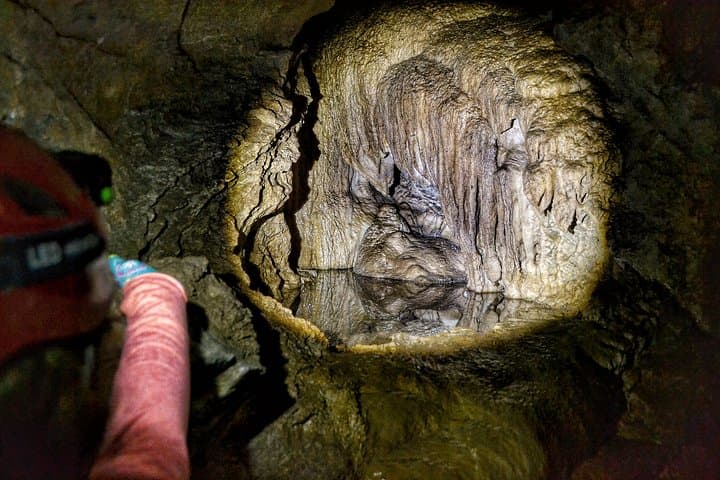
Step off the forested trail and the air cools; the cave mouth breathes out a damp, mineral-scented gust that seems to pull you inward. On the Riverbend Cave Explorer, a guided 1.5–2 hour route threads through low, walkable passages where light from your helmet reveals glittering crystal crusts and banded limestone that records ancient seas.
Step off the forested trail and the air cools; the cave mouth breathes out a damp, mineral-scented gust that seems to pull you inward. On the Riverbend Cave Explorer, a guided 1.5–2 hour route threads through low, walkable passages where light from your helmet reveals glittering crystal crusts and banded limestone that records ancient seas.
The flowstone and stalactites here are records of millennia — layers of calcium carbonate deposited slowly as water seeped through bedrock. Fossil fragments embedded in tooling surfaces hint at the marine life that once lived when these rocks formed. The human story is younger but visible: early mapping and local logging history brought attention to caves on Vancouver Island, while modern stewardship balances access with protection.
Expect close-up geology lessons from a professional guide, mandatory helmets and headlamps, and paths that avoid tight crawling — the tour is designed for families and those new to spelunking. The cave’s cool, constant temperature and uneven rocky footing mean you’ll move deliberately; the guide times stops to point out features and fossilized textures.
Practical notes: wear sturdy, closed-toe shoes with good tread, layer for cool interior air, and bring a small daypack for water and a jacket. Cameras are fine but avoid flash on delicate formations. Tours often run small and require advance booking; they may cancel for poor weather or low bookings. If you’re curious about geology without committing to technical caving, this is an accessible, interpretive introduction that rewards attention with close encounters of an underground kind.