THE ADVENTURE COLLECTIVE® · Independent discovery and booking for outdoor travel

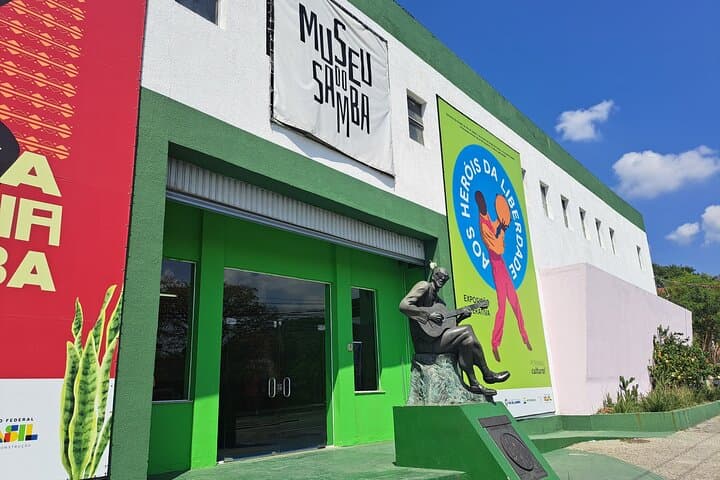
Walk through Little Africa, visit the Samba Museum and tour Cidade do Samba to see where Rio’s carnival is made. This seven‑hour guided experience combines history, craft demonstrations and a behind‑the‑scenes look at float and costume production.
Walk through Little Africa, visit the Samba Museum and tour Cidade do Samba to see where Rio’s carnival is made. This seven‑hour guided experience combines history, craft demonstrations and a behind‑the‑scenes look at float and costume production.
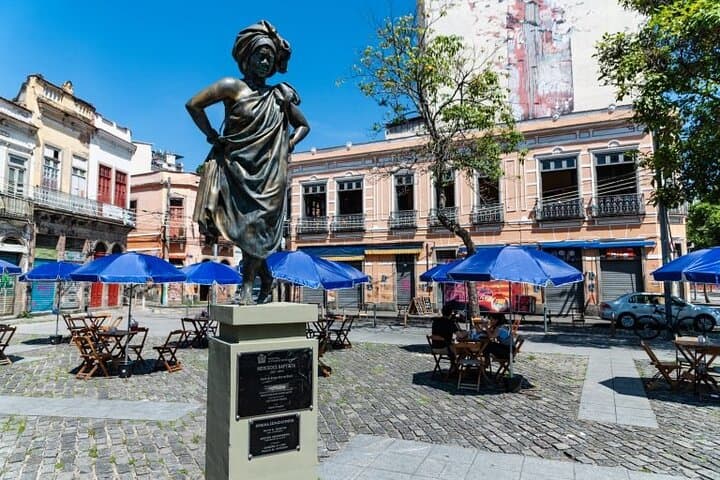
On a humid morning in central Rio, the visitor steps off the van into Little Africa, where drums seem to pull the sidewalks toward the harbor.
Verified experiences and guided adventures in the surrounding area.
Operated by MM Tourguide · Rio de Janeiro, Rio de Janeiro
On a humid morning in central Rio, the visitor steps off the van into Little Africa, where drums seem to pull the sidewalks toward the harbor.
This guided, seven‑hour tour threads through Saúde and Gamboa, moving from street shrines and painted façades to the curated displays of the Samba Museum and the industrial sheds of Cidade do Samba. The route puts the visitor in direct contact with the places where costumes, floats and beats are born.
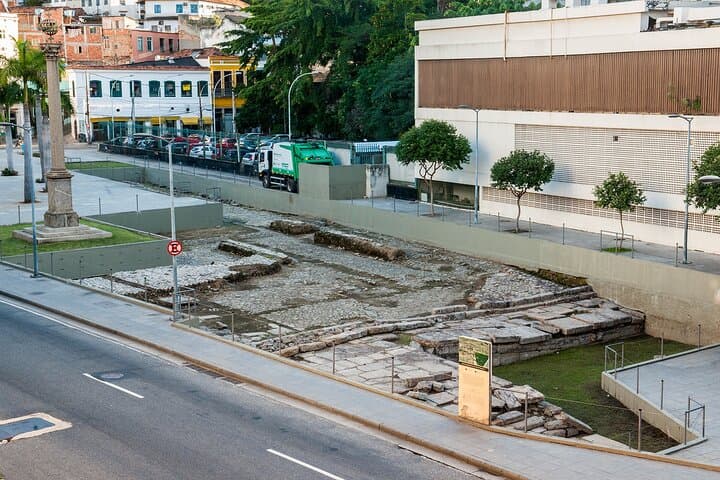
The tour traces a cultural arc: African rhythms, Catholic festas and Portuguese street carnival converged over two centuries to form modern samba schools. Guides highlight local figures like Tia Ciata and explain how community gatherings evolved into the competitive parades. The urban geology—reclaimed shoreline, colonial wharves and warehouse districts—shapes the carnival’s staging and logistics.
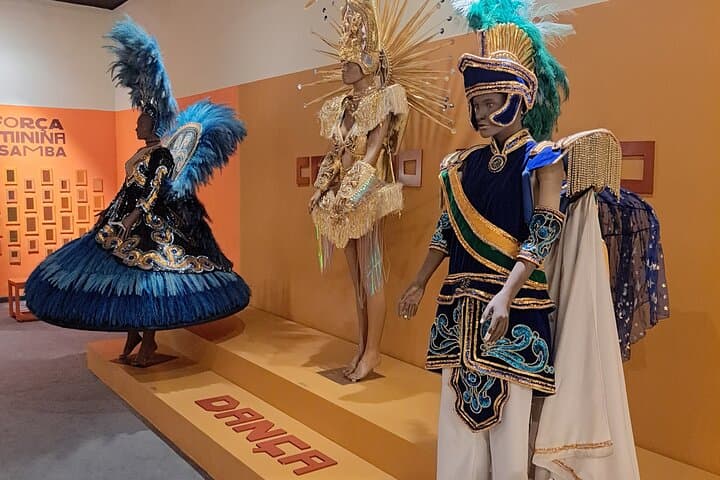
Visitors should expect a museum immersion with audio exhibits and costumes, a guided walkthrough of a working school shed where artisans attach feathers and papier‑mâché to frames, and a sit‑down lunch featuring regional flavors. The experience balances history, craft and live production details so you leave with a practical sense of how Rio’s carnival operates year-round.
Practical guidance: wear supportive shoes for cobbles and warehouse floors, bring sunscreen and a light rain layer, carry small cash for tips or souvenirs, and allow time for security checks. Photography is usually allowed but ask before touching costumes. Plan for a flexible schedule—traffic and production rhythms can shift timing—and arrive ready to listen as well as watch.
easy.
7 hours.
Suitable for most activity levels; requires several hours of standing and walking on mixed surfaces.
Yes—the operator notes stroller accessibility, though some warehouse areas have steps; infants usually must sit on laps in transport.
Admission to the Samba Museum and guided tour of Cidade do Samba are included as part of the tour inclusions.
Private transportation is included; confirm your pickup point when booking and allow buffer time for traffic.
Language options can vary—check booking details and request your preferred language in advance.
Little Africa grew around 19th‑century ports where African cultural practices, music and religious traditions took root—figures such as Tia Ciata were central to early samba development.
Touring supports heritage sites but can strain fragile historic neighborhoods; travel responsibly, avoid littering and follow guide directions to minimize impact.
MM Tourguide operates guided outdoor trips and adventures with an emphasis on safety, stewardship, and memorable experiences.
On a humid morning in central Rio, the visitor steps off the van into Little Africa, where drums seem to pull the sidewalks toward the harbor.
On a humid morning in central Rio, the visitor steps off the van into Little Africa, where drums seem to pull the sidewalks toward the harbor.
This guided, seven‑hour tour threads through Saúde and Gamboa, moving from street shrines and painted façades to the curated displays of the Samba Museum and the industrial sheds of Cidade do Samba. The route puts the visitor in direct contact with the places where costumes, floats and beats are born.
The tour traces a cultural arc: African rhythms, Catholic festas and Portuguese street carnival converged over two centuries to form modern samba schools. Guides highlight local figures like Tia Ciata and explain how community gatherings evolved into the competitive parades. The urban geology—reclaimed shoreline, colonial wharves and warehouse districts—shapes the carnival’s staging and logistics.
Visitors should expect a museum immersion with audio exhibits and costumes, a guided walkthrough of a working school shed where artisans attach feathers and papier‑mâché to frames, and a sit‑down lunch featuring regional flavors. The experience balances history, craft and live production details so you leave with a practical sense of how Rio’s carnival operates year-round.
Practical guidance: wear supportive shoes for cobbles and warehouse floors, bring sunscreen and a light rain layer, carry small cash for tips or souvenirs, and allow time for security checks. Photography is usually allowed but ask before touching costumes. Plan for a flexible schedule—traffic and production rhythms can shift timing—and arrive ready to listen as well as watch.