THE ADVENTURE COLLECTIVE® · Independent discovery and booking for outdoor travel

Enter one of Iceland’s longest lava tubes with a guided, transfer-included tour from Reykjavík. Experience sculpted ceilings, skylights and award-winning lighting while following raised paths that make the cave accessible to most visitors.
Enter one of Iceland’s longest lava tubes with a guided, transfer-included tour from Reykjavík. Experience sculpted ceilings, skylights and award-winning lighting while following raised paths that make the cave accessible to most visitors.
The guide leads the minivan out of Reykjavík and the landscape changes from suburban streets to black, lichen-dusted lava fields. Wind pushes across the low ridges, and the entrance to Raufarhólshellir yawns like a dark seam in the earth — a cool, quiet place where the air smells faintly mineral and the headlamp beam slices through centuries of solidified flow.
Verified experiences and guided adventures in the surrounding area.
Operated by Raufarhólshellir · Reykjavik, Capital Region
The guide leads the minivan out of Reykjavík and the landscape changes from suburban streets to black, lichen-dusted lava fields. Wind pushes across the low ridges, and the entrance to Raufarhólshellir yawns like a dark seam in the earth — a cool, quiet place where the air smells faintly mineral and the headlamp beam slices through centuries of solidified flow.
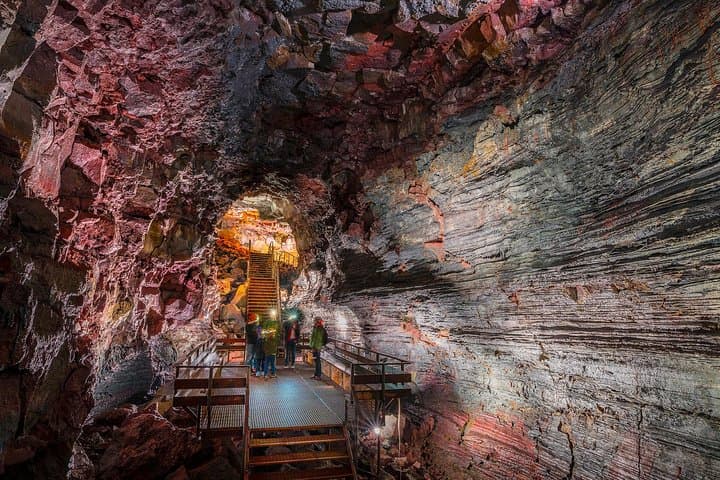
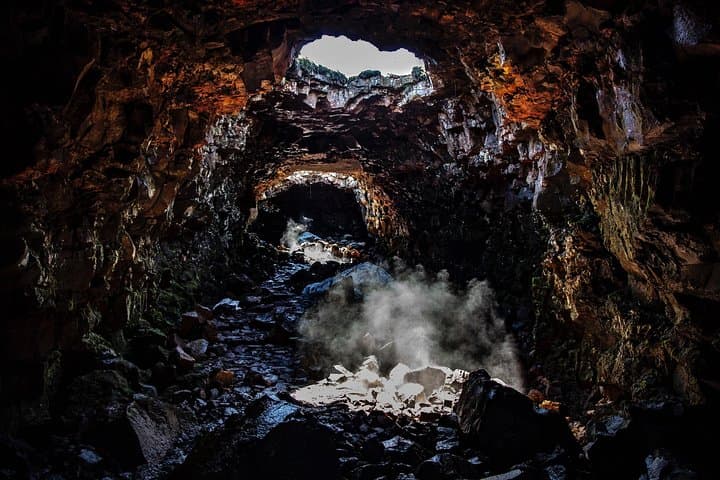
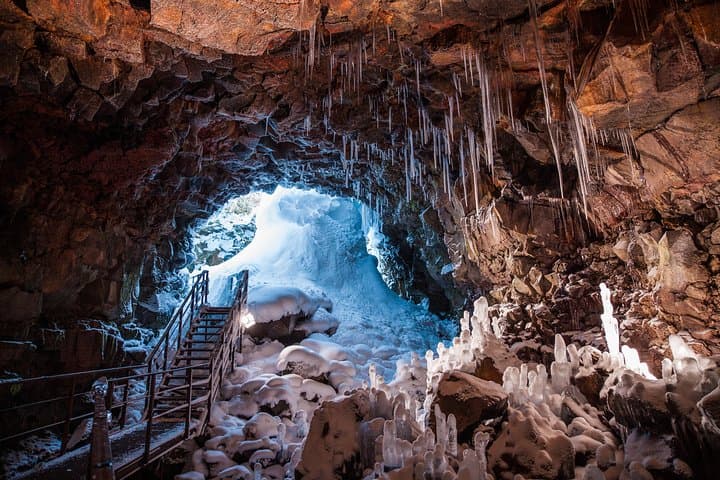
Geology here is immediate: the tube formed when the surface of a moving lava flow cooled and insulated molten rock beneath, leaving a hollow conduit as the eruption waned. Guides explain the tunnel’s banded ceilings, collapse skylights and lava stalactites — features that map the eruption’s speed and chemistry. Local culture around Reykjavík treats these tubes as both scientific sites and popular short excursions; the guided tour model balances visitor access with protection, using raised paths and carefully placed lighting.
Practically, the trip is a half-day excursion with transfers 2–3 times daily. Helmets and headlamps are provided; in winter crampons are supplied if icy. The route is mostly level with platforms and short stair sections, so it’s suitable for most people who can walk short uneven distances. Expect cool, damp conditions inside — layers and closed-toe shoes are essential. Bring water, a mid-layer, and a small pack; phones photograph well but watch for dripping, abrasive rock, and low ceilings. Timing mid-morning or late afternoon reduces groups and maximizes quiet time underground.
easy.
3 hours.
Suitable for most travelers who can walk short distances on uneven ground; minimal stamina required.
The full experience is about three hours door-to-door from Reykjavík and includes round-trip transport to a guided one-hour visit inside the lava tube.
The route uses paths and platforms and is suitable for most children and visitors with moderate mobility, but it’s not recommended for those with serious back problems or limited ability to walk short uneven sections.
Yes — helmets and headlamps are provided for all visitors; crampons are available in winter if conditions are icy.
Photography is allowed; low light means a tripod or steady hand helps. Be mindful of other guests and do not touch formations.
Raufarhólshellir formed during a relatively recent Holocene lava flow; its features record the speed and layering of volcanic eruptions that shaped the Reykjanes region.
Stay on designated paths, avoid touching formations and follow guide instructions; controlled access helps protect fragile mineral features and surrounding moss-covered lava.
Raufarhólshellir operates guided outdoor trips and adventures with an emphasis on safety, stewardship, and memorable experiences.
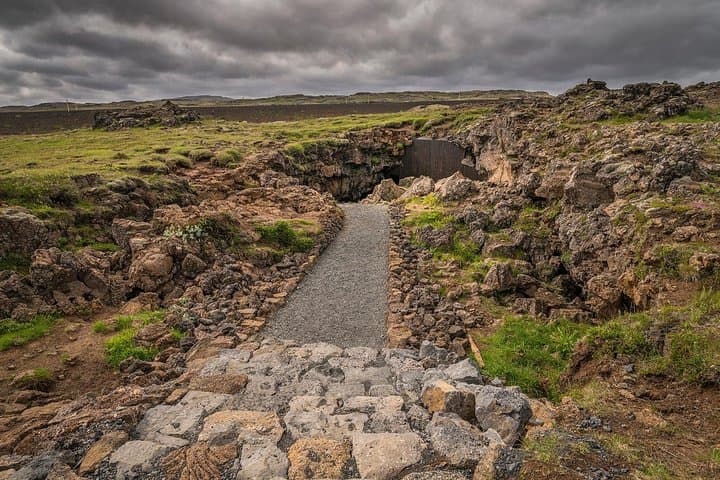
The guide leads the minivan out of Reykjavík and the landscape changes from suburban streets to black, lichen-dusted lava fields. Wind pushes across the low ridges, and the entrance to Raufarhólshellir yawns like a dark seam in the earth — a cool, quiet place where the air smells faintly mineral and the headlamp beam slices through centuries of solidified flow.
The guide leads the minivan out of Reykjavík and the landscape changes from suburban streets to black, lichen-dusted lava fields. Wind pushes across the low ridges, and the entrance to Raufarhólshellir yawns like a dark seam in the earth — a cool, quiet place where the air smells faintly mineral and the headlamp beam slices through centuries of solidified flow.
Geology here is immediate: the tube formed when the surface of a moving lava flow cooled and insulated molten rock beneath, leaving a hollow conduit as the eruption waned. Guides explain the tunnel’s banded ceilings, collapse skylights and lava stalactites — features that map the eruption’s speed and chemistry. Local culture around Reykjavík treats these tubes as both scientific sites and popular short excursions; the guided tour model balances visitor access with protection, using raised paths and carefully placed lighting.
Practically, the trip is a half-day excursion with transfers 2–3 times daily. Helmets and headlamps are provided; in winter crampons are supplied if icy. The route is mostly level with platforms and short stair sections, so it’s suitable for most people who can walk short uneven distances. Expect cool, damp conditions inside — layers and closed-toe shoes are essential. Bring water, a mid-layer, and a small pack; phones photograph well but watch for dripping, abrasive rock, and low ceilings. Timing mid-morning or late afternoon reduces groups and maximizes quiet time underground.