THE ADVENTURE COLLECTIVE® · Independent discovery and booking for outdoor travel

Explore Ratnapura’s hidden trade lanes and artisan workshops on a 2.5‑hour guided tour that reveals how gemstones move from river gravels to polished gems. Learn to read stones, observe heating and cutting, and get practical buying tips from a professional gemologist.
Explore Ratnapura’s hidden trade lanes and artisan workshops on a 2.5‑hour guided tour that reveals how gemstones move from river gravels to polished gems. Learn to read stones, observe heating and cutting, and get practical buying tips from a professional gemologist.
You step off a humid avenue into a narrow trading lane in Ratnapura, and the air tightens with the smell of metal, oil and warm stone. Light from shopfront LEDs picks out flashes of blue, red and green as merchants turn rough pebbles and polished facets under a 10x loupe. The guide—often a trained gemologist—moves between tables, pointing out features that change a stone from curiosity to commodity.
Verified experiences and guided adventures in the surrounding area.
Operated by The Gem Experience by brillianterra · Ratnapura, Sabaragamuwa Province
You step off a humid avenue into a narrow trading lane in Ratnapura, and the air tightens with the smell of metal, oil and warm stone. Light from shopfront LEDs picks out flashes of blue, red and green as merchants turn rough pebbles and polished facets under a 10x loupe. The guide—often a trained gemologist—moves between tables, pointing out features that change a stone from curiosity to commodity.
Ratnapura, literally “city of gems,” sits where river gravels from the central highlands deposit gem-bearing sediments. The region’s geology—metamorphic belts rich in corundum, spinel and chrysoberyl—feeds a long history of mining, trade and lapidary craft dating back centuries and tied to local Sinhalese culture and colonial markets.
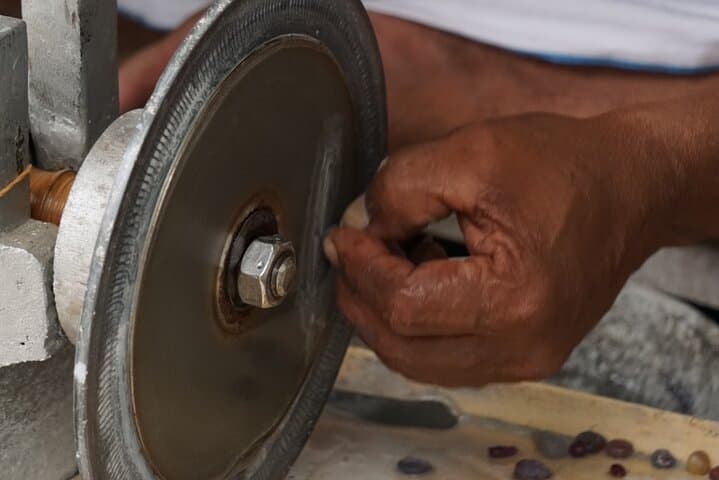
This experience pairs a market walk with visits to artisan workshops where cutters heat-treat, cleave and polish stones. You’ll see the practical techniques used to read clarity, cut to weight and test color enhancement; the guide will explain common treatments and what to watch for when buying.
Practical notes: the tour runs about 2.5 hours with periods of standing and close inspection. Wear closed-toe shoes for workshop floors, bring small-denomination cash for purchases, and leave large jewelry in a safe. Mornings are cooler and quieter; ask your guide about certification if you’re buying a higher-value gem. The visit is wheelchair accessible and suitable for most visitors, and it’s an efficient, revealing way to understand how miners, brokers and lapidaries turn river gravel into gemstones.
easy.
2–3 hours.
Suitable for all fitness levels—mostly walking and standing with short indoor climbs or steps.
Yes; the tour is stroller-accessible and physically easy, but close-up workshop areas may have tools and smoke—supervise children near workstations.
Yes—many visitors purchase stones. Bring local cash, ask about treatments, and request a receipt or certificate for higher-value pieces.
Yes; a professional will typically demonstrate common treatments like heat enhancement and explain how they affect value and durability.
The activity notes wheelchair accessibility for most areas, but if you have specific mobility needs check with the operator ahead of time for any workshop access limitations.
Ratnapura’s gem trade goes back centuries, tied to ancient trade routes and later colonial markets that formalized mining and export practices.
Alluvial gem mining alters riverbeds and ecosystems; ask guides about ethical sourcing and prefer sellers who disclose origin and treatments.
The Gem Experience by brillianterra operates guided outdoor trips and adventures with an emphasis on safety, stewardship, and memorable experiences.
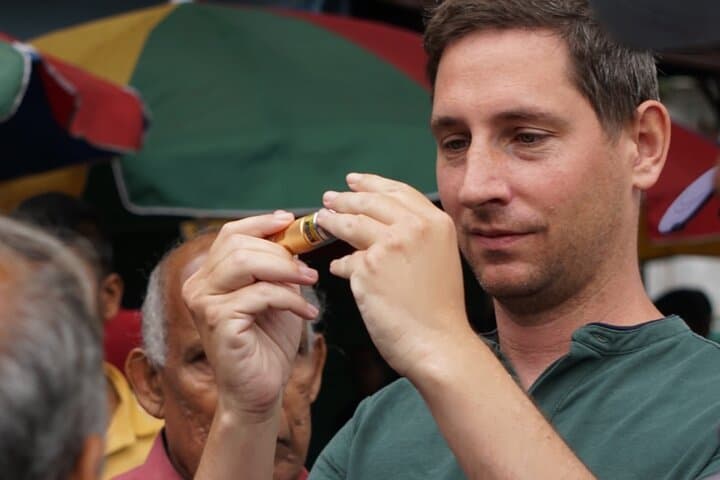
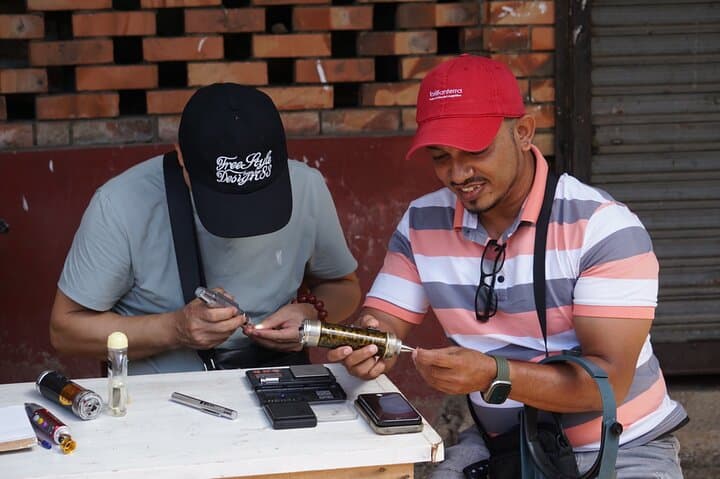
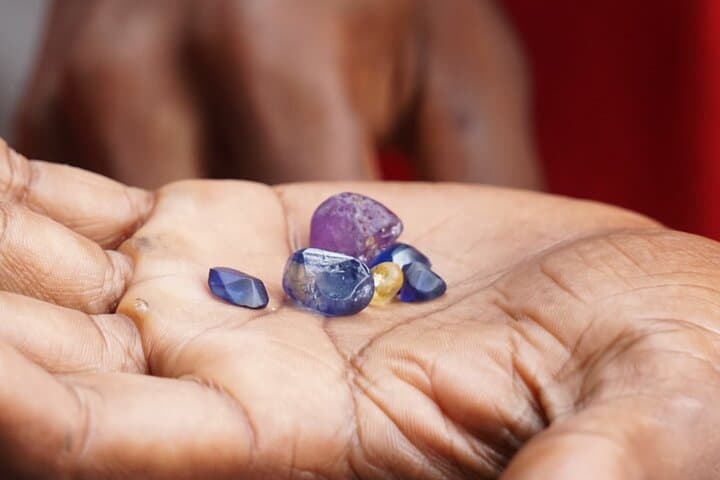
You step off a humid avenue into a narrow trading lane in Ratnapura, and the air tightens with the smell of metal, oil and warm stone. Light from shopfront LEDs picks out flashes of blue, red and green as merchants turn rough pebbles and polished facets under a 10x loupe. The guide—often a trained gemologist—moves between tables, pointing out features that change a stone from curiosity to commodity.
You step off a humid avenue into a narrow trading lane in Ratnapura, and the air tightens with the smell of metal, oil and warm stone. Light from shopfront LEDs picks out flashes of blue, red and green as merchants turn rough pebbles and polished facets under a 10x loupe. The guide—often a trained gemologist—moves between tables, pointing out features that change a stone from curiosity to commodity.
Ratnapura, literally “city of gems,” sits where river gravels from the central highlands deposit gem-bearing sediments. The region’s geology—metamorphic belts rich in corundum, spinel and chrysoberyl—feeds a long history of mining, trade and lapidary craft dating back centuries and tied to local Sinhalese culture and colonial markets.
This experience pairs a market walk with visits to artisan workshops where cutters heat-treat, cleave and polish stones. You’ll see the practical techniques used to read clarity, cut to weight and test color enhancement; the guide will explain common treatments and what to watch for when buying.
Practical notes: the tour runs about 2.5 hours with periods of standing and close inspection. Wear closed-toe shoes for workshop floors, bring small-denomination cash for purchases, and leave large jewelry in a safe. Mornings are cooler and quieter; ask your guide about certification if you’re buying a higher-value gem. The visit is wheelchair accessible and suitable for most visitors, and it’s an efficient, revealing way to understand how miners, brokers and lapidaries turn river gravel into gemstones.