
Inside Qasr Al Watan: A Practical Guide to Abu Dhabi’s Palace of the Nation
Explore Qasr Al Watan, Abu Dhabi’s Palace of the Nation, where grand domes and intricate ornamentation frame exhibits on Emirati governance and heritage. This practical guide outlines what to expect, how to plan your visit, and local insights to deepen your experience.
An Adventure In Abu Dhabi.
Explore Qasr Al Watan, Abu Dhabi’s Palace of the Nation, where grand domes and intricate ornamentation frame exhibits on Emirati governance and heritage. This practical guide outlines what to expect, how to plan your visit, and local insights to deepen your experience.
Read the full experience
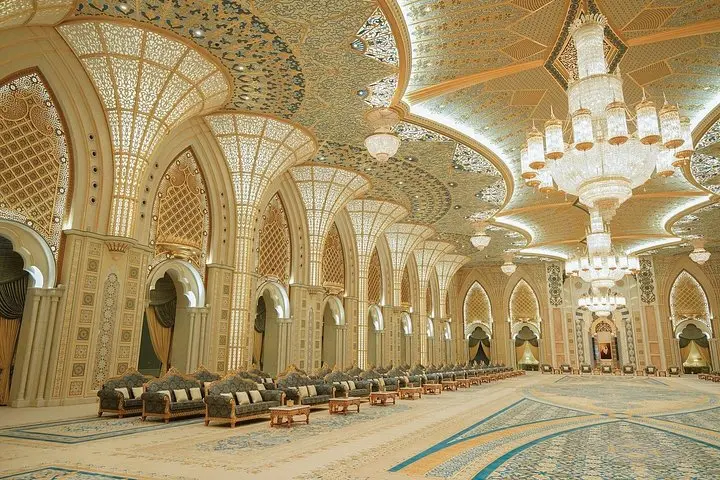
You step through a wide gateway and the palace opens up around you: vaulted halls spill light from latticed windows, the hush of ceremonial rooms broken only by footsteps on polished marble. Qasr Al Watan sits within Abu Dhabi’s Presidential Palace complex, an architectural stage where classical Arabian motifs meet contemporary civic purpose.
You step through a wide gateway and the palace opens up around you: vaulted halls spill light from latticed windows, the hush of ceremonial rooms broken only by footsteps on polished marble. Qasr Al Watan sits within Abu Dhabi’s Presidential Palace complex, an architectural stage where classical Arabian motifs meet contemporary civic purpose.
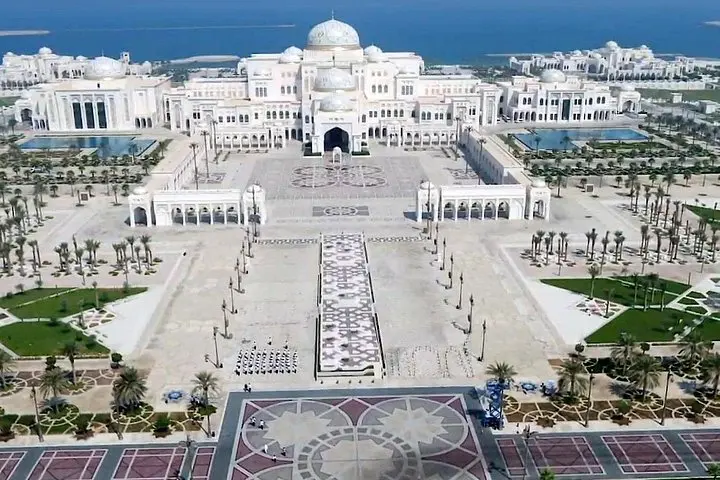
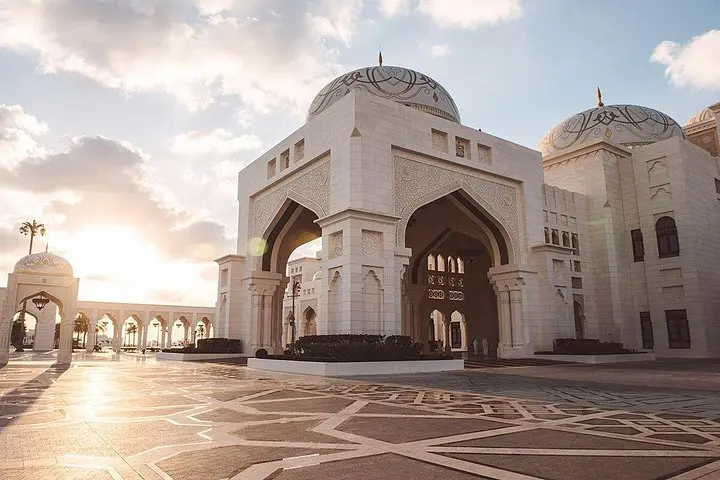
Completed and opened to the public in 2019, the palace was designed to display statecraft as much as craftsmanship. Marble domes, ornate calligraphy and geometric muqarnas trace centuries of Gulf building tradition; exhibits and projection rooms unpack the UAE’s political evolution, diplomatic rituals and the craftsmanship behind the ornamentation. The site is on reclaimed coastal land near the Corniche, so geology here is flat coastal plain, with landscaped gardens providing the green foreground to the palace’s white stone.
Culturally, the palace doubles as a working state venue and a public museum: expect curated displays, audiovisual presentations, and guided routes through the official halls. Local insights: visit the library and document archive for deeper context, and stick around for the evening illumination when façades are lit to dramatic effect.
Practical guidance: allow about three hours to move through the permanent exhibits and public rooms; photography rules vary by gallery so follow signage. Wear breathable, respectful clothing for indoor spaces; footwear that is easy to remove if requested. Hydrate in Abu Dhabi’s heat, use shade pauses in the gardens, and plan transit since the site is best reached by car or taxi from central Abu Dhabi.
Frequently asked questions
Yes—admission is required; the tour includes entry to exhibitions and public state rooms as described in your ticket.
Yes—public areas and surfaces are wheelchair accessible and the site is designed to accommodate visitors with mobility needs.
Photography is allowed in many spaces, but certain galleries and archival exhibits prohibit flash or any photography—follow posted signs.
Morning is cooler and less busy; early evening is attractive for exterior lighting displays, but interiors may be more crowded later in the day.
About This Experience
Destination-Master operates guided outdoor trips and adventures with an emphasis on safety, stewardship, and memorable experiences.
Adventure tips
Recommended gear
- Comfortable closed-toe shoes: Easy walking on marble floors and landscaped paths; some rooms may ask you to remove shoes.
- Light, modest clothing: Breathable fabrics keep you cool and respect local cultural norms inside formal rooms.
- Refillable water bottle: Staying hydrated is essential in Abu Dhabi’s climate; water stations are available in visitor areas.
- Camera or smartphone: Capture exterior architecture and gardens but observe gallery photography restrictions.
Photos of the experience

Related adventures & guides
Read the full experience
You step through a wide gateway and the palace opens up around you: vaulted halls spill light from latticed windows, the hush of ceremonial rooms broken only by footsteps on polished marble. Qasr Al Watan sits within Abu Dhabi’s Presidential Palace complex, an architectural stage where classical Arabian motifs meet contemporary civic purpose.
You step through a wide gateway and the palace opens up around you: vaulted halls spill light from latticed windows, the hush of ceremonial rooms broken only by footsteps on polished marble. Qasr Al Watan sits within Abu Dhabi’s Presidential Palace complex, an architectural stage where classical Arabian motifs meet contemporary civic purpose.
Completed and opened to the public in 2019, the palace was designed to display statecraft as much as craftsmanship. Marble domes, ornate calligraphy and geometric muqarnas trace centuries of Gulf building tradition; exhibits and projection rooms unpack the UAE’s political evolution, diplomatic rituals and the craftsmanship behind the ornamentation. The site is on reclaimed coastal land near the Corniche, so geology here is flat coastal plain, with landscaped gardens providing the green foreground to the palace’s white stone.
Culturally, the palace doubles as a working state venue and a public museum: expect curated displays, audiovisual presentations, and guided routes through the official halls. Local insights: visit the library and document archive for deeper context, and stick around for the evening illumination when façades are lit to dramatic effect.
Practical guidance: allow about three hours to move through the permanent exhibits and public rooms; photography rules vary by gallery so follow signage. Wear breathable, respectful clothing for indoor spaces; footwear that is easy to remove if requested. Hydrate in Abu Dhabi’s heat, use shade pauses in the gardens, and plan transit since the site is best reached by car or taxi from central Abu Dhabi.
Make a day of it nearby.
Verified experiences and guided adventures in the surrounding area.