THE ADVENTURE COLLECTIVE® · Independent discovery and booking for outdoor travel

Walk through a living Tibetan community near Pokhara to see carpet weaving, visit a traditional Tibetan doctor, and learn how Buddhist symbols shape daily life. This half-day cultural tour pairs hands-on workshops with local insight.
Walk through a living Tibetan community near Pokhara to see carpet weaving, visit a traditional Tibetan doctor, and learn how Buddhist symbols shape daily life. This half-day cultural tour pairs hands-on workshops with local insight.
You arrive on a warm Pokhara morning, the air carrying incense and the rustle of prayer flags as a backdrop. Narrow lanes open into courtyards where elders sit weaving and children move between a schoolyard and a low-slung clinic; the Annapurna foothills press the horizon like a watchful neighbor.
Verified experiences and guided adventures in the surrounding area.
Operated by Himal Tourism Pvt.Ltd · Pokhara, Gandaki Province
You arrive on a warm Pokhara morning, the air carrying incense and the rustle of prayer flags as a backdrop. Narrow lanes open into courtyards where elders sit weaving and children move between a schoolyard and a low-slung clinic; the Annapurna foothills press the horizon like a watchful neighbor.
The settlement traces its roots to mid-20th century migrations when Tibetan communities settled in Nepal after political upheaval. Geologically, the Pokhara Valley sits on molasse deposits at the southern edge of the Himalaya — river-formed terrain that contrasts with the ragged, snow-swept peaks to the north. That contrast shapes local life: terrace farming and river channels below, Buddhist gompas and carpet workshops within the settlement.
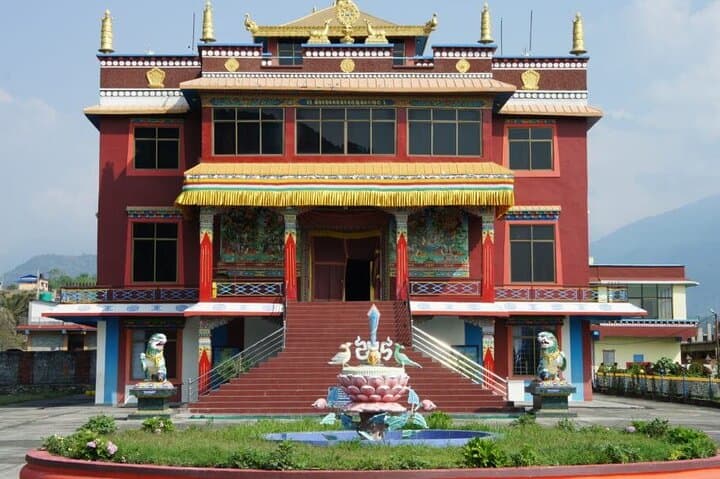
Guides lead visitors through living spaces rather than a museum—explaining Buddhist symbols, the role of traditional Tibetan medicine, and how carpet motifs encode stories and lineage. In small workshops you’ll see dye, knotting, and finishing; in a classroom you’ll learn about bilingual education challenges for Tibetan children in Nepal. A shared lunch at a local eatery introduces the flavors of Tibetan cuisine.
Practicalities: the half-day tour runs about 4–5 hours and uses air-conditioned transport from Pokhara. Wear comfortable shoes for uneven courtyard surfaces, dress modestly for monastery areas, and carry cash for small purchases or donations. Photography is generally allowed but always ask before shooting people or inside private shrines. The experience is more encounter than exhibit—expect direct conversation, hands-on demonstrations, and a clear view of how a displaced community maintains cultural life on the edge of the Himalaya.
easy.
4–5 hours.
Suitable for most fitness levels; involves short walks on uneven ground and some standing during demonstrations.
The tour lasts about 4–5 hours and typically includes transport from Pokhara, guided visits to a settlement, a carpet workshop and showroom, a Tibetan doctor visit, explanations of Buddhist symbols, and a local Tibetan lunch.
Yes—infants and small children can use a stroller, but expect uneven ground in courtyards and active workshop spaces where supervision is recommended.
Yes—there is a carpet showroom and small workshops where visitors can purchase hand-made carpets; bring cash for quicker transactions and be prepared to negotiate politely.
Visits are arranged with local hosts and most monastery areas included in the itinerary permit visitors; follow the guide’s direction for respectful behavior and any restricted areas.
Many families in the settlement trace their migration to Tibet’s mid-20th-century exodus; settlements in Nepal grew as communities rebuilt schools, workshops, and religious centers to preserve culture.
Support local sustainability by buying directly from artisans and avoiding single-use plastics; small donations to community schools and clinics help maintain services without disrupting local economies.
Himal Tourism Pvt.Ltd operates guided outdoor trips and adventures with an emphasis on safety, stewardship, and memorable experiences.
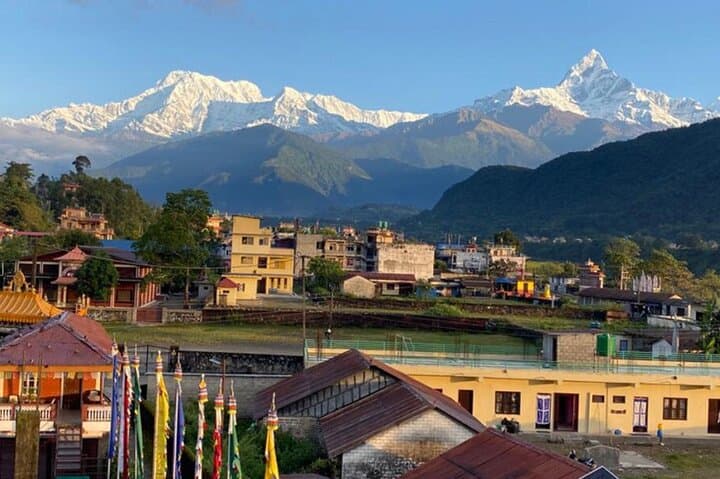
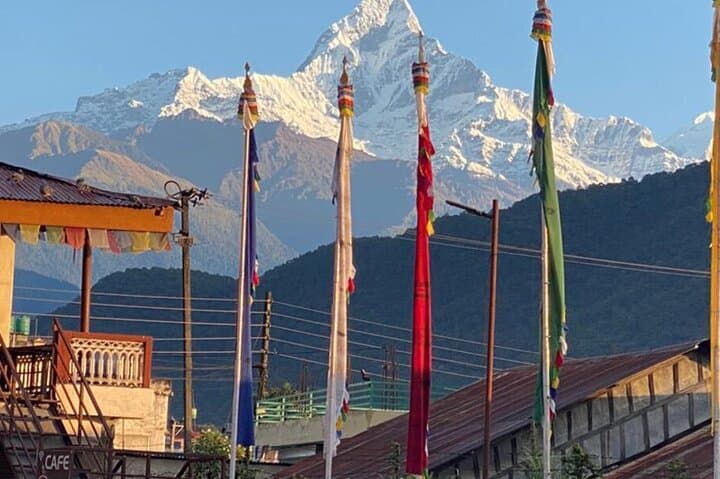
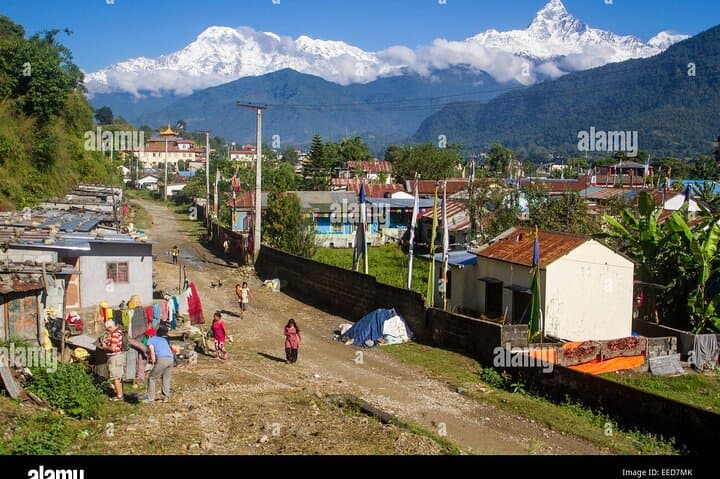
You arrive on a warm Pokhara morning, the air carrying incense and the rustle of prayer flags as a backdrop. Narrow lanes open into courtyards where elders sit weaving and children move between a schoolyard and a low-slung clinic; the Annapurna foothills press the horizon like a watchful neighbor.
You arrive on a warm Pokhara morning, the air carrying incense and the rustle of prayer flags as a backdrop. Narrow lanes open into courtyards where elders sit weaving and children move between a schoolyard and a low-slung clinic; the Annapurna foothills press the horizon like a watchful neighbor.
The settlement traces its roots to mid-20th century migrations when Tibetan communities settled in Nepal after political upheaval. Geologically, the Pokhara Valley sits on molasse deposits at the southern edge of the Himalaya — river-formed terrain that contrasts with the ragged, snow-swept peaks to the north. That contrast shapes local life: terrace farming and river channels below, Buddhist gompas and carpet workshops within the settlement.
Guides lead visitors through living spaces rather than a museum—explaining Buddhist symbols, the role of traditional Tibetan medicine, and how carpet motifs encode stories and lineage. In small workshops you’ll see dye, knotting, and finishing; in a classroom you’ll learn about bilingual education challenges for Tibetan children in Nepal. A shared lunch at a local eatery introduces the flavors of Tibetan cuisine.
Practicalities: the half-day tour runs about 4–5 hours and uses air-conditioned transport from Pokhara. Wear comfortable shoes for uneven courtyard surfaces, dress modestly for monastery areas, and carry cash for small purchases or donations. Photography is generally allowed but always ask before shooting people or inside private shrines. The experience is more encounter than exhibit—expect direct conversation, hands-on demonstrations, and a clear view of how a displaced community maintains cultural life on the edge of the Himalaya.