THE ADVENTURE COLLECTIVE® · Independent discovery and booking for outdoor travel

Step into Paulskirche and follow the story of Germany’s first freely elected parliament. This guided tour pairs close architectural observation with clear political history — ideal for travelers who want civic context and compact logistics.
Step into Paulskirche and follow the story of Germany’s first freely elected parliament. This guided tour pairs close architectural observation with clear political history — ideal for travelers who want civic context and compact logistics.
A cold stone hush meets the city’s pulse as you step onto the church’s plain plaza; Paulskirche lifts its broad, unadorned façade like a public page ready to be read. The guided tour begins here, with the guide pointing out carved emblems, patched masonry, and the nave where centuries of civic debate once echoed.
Verified experiences and guided adventures in the surrounding area.
Operated by BlackBuck Travels · Frankfurt am Main, Hesse
A cold stone hush meets the city’s pulse as you step onto the church’s plain plaza; Paulskirche lifts its broad, unadorned façade like a public page ready to be read. The guided tour begins here, with the guide pointing out carved emblems, patched masonry, and the nave where centuries of civic debate once echoed.
Paulskirche opened in 1789 as a parish Protestant church and later became the symbolic meeting place of the 1848 Frankfurt National Assembly — Germany’s first freely elected parliament. The building reflects late-18th-century Protestant architecture and a turbulent civic history shaped by Napoleonic reforms, 19th-century liberal movements, wartime damage, and meticulous postwar reconstruction.
On the tour you’ll trace political symbolism in stained glass and carved altarpieces, see the Dotationsurkunde that funded restorations, and learn how Napoleonic rule and later national movements altered church patronage. The guide ties architecture to civic culture: how a parish church became a national stage.
Practical guidance: tours run about 1–2 hours, require minimal walking and are wheelchair accessible; bring a charged mobile device for your ticket and a light layer for the cool interior. Arrive by tram or S-Bahn to Römer/Paulskirche, and reserve time afterward to walk the nearby Römerberg square and the Main Riverbank. Expect crisp acoustics in the nave—speakers project even short passages—and modest photography rules in some areas. This tour is compact but dense: listen for dates and names, and you’ll leave with a clear sense of how architecture shaped political life in 19th-century Frankfurt.
easy.
1–2 hours.
Suitable for most fitness levels; minimal walking and few stairs on accessible routes
Tours run approximately 60–120 minutes depending on group size and whether the guide allows time for questions.
Yes — the listing and the site indicate wheelchair access and nearby accessible transport options.
Yes — strollers are possible and the tour is suitable for families, though content focuses on political history and architecture.
All sales are final for this tour, so verify plans before booking since refunds are not available.
Paulskirche opened in 1789 and later hosted the 1848 Frankfurt National Assembly, making it a key site in Germany’s democratic history.
The church is actively preserved as a civic monument; visitors are asked to respect conservation rules and avoid touching historic surfaces.
BlackBuck Travels operates guided outdoor trips and adventures with an emphasis on safety, stewardship, and memorable experiences.
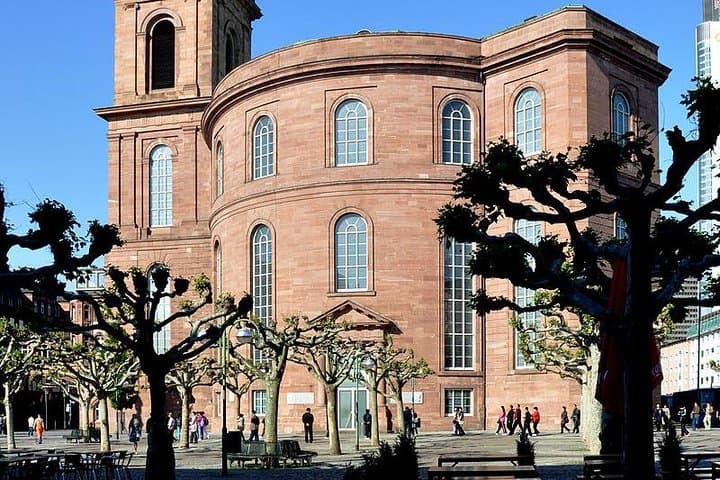
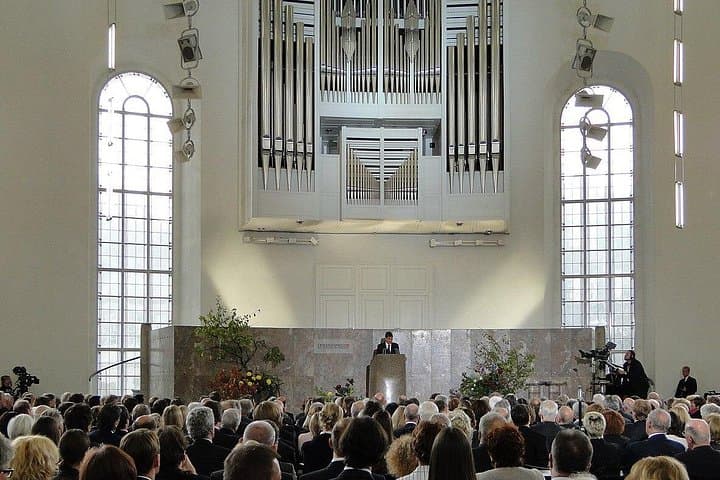
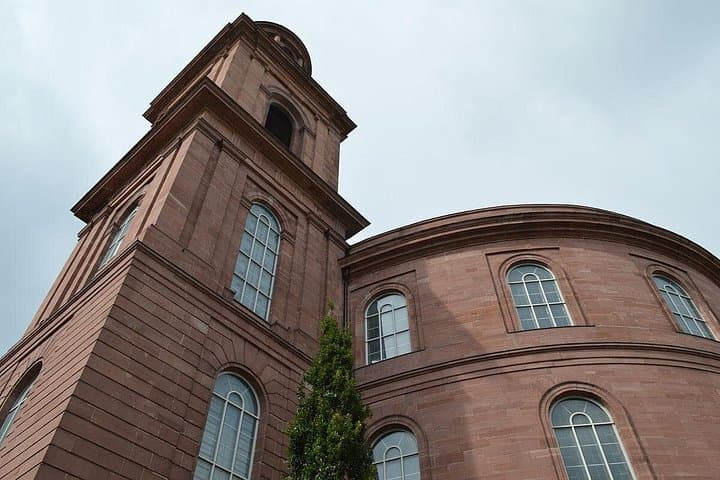
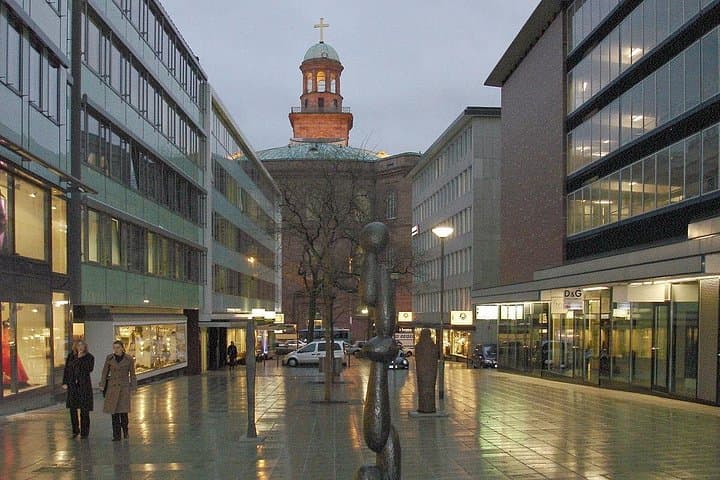
A cold stone hush meets the city’s pulse as you step onto the church’s plain plaza; Paulskirche lifts its broad, unadorned façade like a public page ready to be read. The guided tour begins here, with the guide pointing out carved emblems, patched masonry, and the nave where centuries of civic debate once echoed.
A cold stone hush meets the city’s pulse as you step onto the church’s plain plaza; Paulskirche lifts its broad, unadorned façade like a public page ready to be read. The guided tour begins here, with the guide pointing out carved emblems, patched masonry, and the nave where centuries of civic debate once echoed.
Paulskirche opened in 1789 as a parish Protestant church and later became the symbolic meeting place of the 1848 Frankfurt National Assembly — Germany’s first freely elected parliament. The building reflects late-18th-century Protestant architecture and a turbulent civic history shaped by Napoleonic reforms, 19th-century liberal movements, wartime damage, and meticulous postwar reconstruction.
On the tour you’ll trace political symbolism in stained glass and carved altarpieces, see the Dotationsurkunde that funded restorations, and learn how Napoleonic rule and later national movements altered church patronage. The guide ties architecture to civic culture: how a parish church became a national stage.
Practical guidance: tours run about 1–2 hours, require minimal walking and are wheelchair accessible; bring a charged mobile device for your ticket and a light layer for the cool interior. Arrive by tram or S-Bahn to Römer/Paulskirche, and reserve time afterward to walk the nearby Römerberg square and the Main Riverbank. Expect crisp acoustics in the nave—speakers project even short passages—and modest photography rules in some areas. This tour is compact but dense: listen for dates and names, and you’ll leave with a clear sense of how architecture shaped political life in 19th-century Frankfurt.