
Inside Palau de la Música Catalana: UNESCO Modernist Concert Hall Tickets & Visitor Tips
Step inside Barcelona’s jewel of Catalan Modernism: a guided or self-guided visit to the UNESCO-listed Palau de la Música Catalana reveals stained glass, mosaics, and a concert hall shaped for sound. Practical tips and what to expect for first-time visitors.
An Adventure In Barcelona.
Step inside Barcelona’s jewel of Catalan Modernism: a guided or self-guided visit to the UNESCO-listed Palau de la Música Catalana reveals stained glass, mosaics, and a concert hall shaped for sound. Practical tips and what to expect for first-time visitors.
Read the full experience
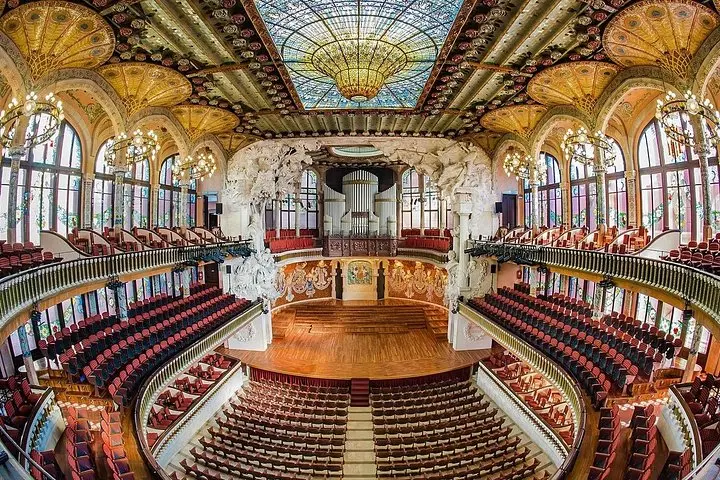
Sunlight gathers and pours through a soaring stained-glass skylight, pooling on mosaic columns as the hall seems to inhale and exhale with the city outside. Standing in the Palau de la Música Catalana, you feel the room itself tuned to performance: surfaces catch light like notes and the air carries the shape of applause long before it arrives.
Sunlight gathers and pours through a soaring stained-glass skylight, pooling on mosaic columns as the hall seems to inhale and exhale with the city outside. Standing in the Palau de la Música Catalana, you feel the room itself tuned to performance: surfaces catch light like notes and the air carries the shape of applause long before it arrives.
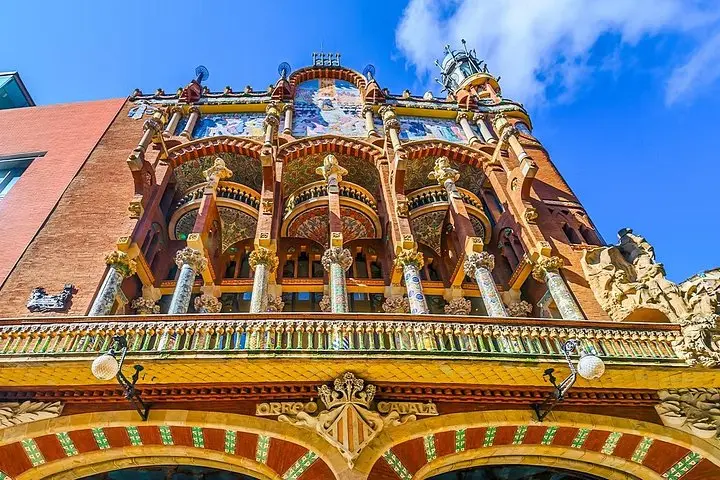
Built between 1905–1908 by Lluís Domènech i Montaner, the Palau is a cornerstone of Catalan Modernism and a UNESCO World Heritage Site. Its façade and interior combine regional materials—ceramic, stained glass, ironwork—and motifs drawn from local folk culture and a renewed interest in Mediterranean craft. The concert hall’s acoustic design, unusual skylight, and ornate stage reflect Barcelona’s early-20th-century drive to marry craftsmanship with civic pride.
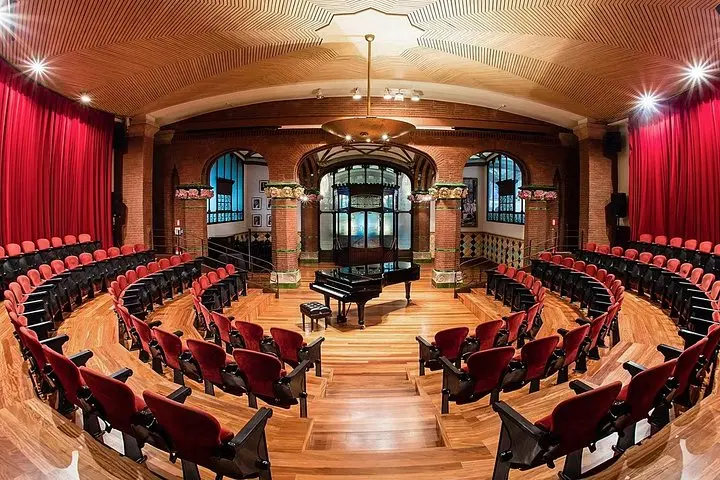
Culturally, the Palau remains both a working performance venue and a living museum; guided tours often include backstage spaces and the Lluís Millet room when available. Expect a short, primarily indoor walk through decorated staircases, mosaic columns, and the audience chamber framed by curving balconies.
Practical guidance: book a timed ticket—options include guided or audio tours in multiple languages. Arrive 10–15 minutes early for security and to savor exterior details. Bag checks are standard and flash photography may be restricted during performances. Public transit access is excellent; nearby metro and bus stops put the building within a short walk. Allow roughly 45–60 minutes for a self-guided visit and longer if attending a concert. Comfortable shoes and a light layer are useful—stairs and standing areas are part of the experience. With limited capacity, planning ahead keeps the Palau from feeling crowded and lets the light do the rest.
Frequently asked questions
Standard visits last about 45–60 minutes; guided tours may take slightly longer depending on access to restricted rooms.
Yes—audio guides are offered in multiple languages and can be selected when booking.
Entry tickets are for tours only; concert tickets must be purchased separately for scheduled performances.
The site offers partial accessibility but has historic staircases; check with the venue ahead of your visit for specific accommodations.
About This Experience
My Travelons Ltd operates guided outdoor trips and adventures with an emphasis on safety, stewardship, and memorable experiences.
Adventure tips
Recommended gear
- Comfortable walking shoes: The visit includes stairs and standing on hard floors; good shoes keep you comfortable.
- Light jacket or scarf: The interior can feel cool when sunlight is blocked or during evening concerts.
- Compact camera or smartphone: Capture architectural details—avoid flash if staff request it.
- Small daypack or bag: Carry essentials like water and documents but expect bag checks and size limits.
Photos of the experience
Related adventures & guides
Read the full experience
Sunlight gathers and pours through a soaring stained-glass skylight, pooling on mosaic columns as the hall seems to inhale and exhale with the city outside. Standing in the Palau de la Música Catalana, you feel the room itself tuned to performance: surfaces catch light like notes and the air carries the shape of applause long before it arrives.
Sunlight gathers and pours through a soaring stained-glass skylight, pooling on mosaic columns as the hall seems to inhale and exhale with the city outside. Standing in the Palau de la Música Catalana, you feel the room itself tuned to performance: surfaces catch light like notes and the air carries the shape of applause long before it arrives.
Built between 1905–1908 by Lluís Domènech i Montaner, the Palau is a cornerstone of Catalan Modernism and a UNESCO World Heritage Site. Its façade and interior combine regional materials—ceramic, stained glass, ironwork—and motifs drawn from local folk culture and a renewed interest in Mediterranean craft. The concert hall’s acoustic design, unusual skylight, and ornate stage reflect Barcelona’s early-20th-century drive to marry craftsmanship with civic pride.
Culturally, the Palau remains both a working performance venue and a living museum; guided tours often include backstage spaces and the Lluís Millet room when available. Expect a short, primarily indoor walk through decorated staircases, mosaic columns, and the audience chamber framed by curving balconies.
Practical guidance: book a timed ticket—options include guided or audio tours in multiple languages. Arrive 10–15 minutes early for security and to savor exterior details. Bag checks are standard and flash photography may be restricted during performances. Public transit access is excellent; nearby metro and bus stops put the building within a short walk. Allow roughly 45–60 minutes for a self-guided visit and longer if attending a concert. Comfortable shoes and a light layer are useful—stairs and standing areas are part of the experience. With limited capacity, planning ahead keeps the Palau from feeling crowded and lets the light do the rest.
Make a day of it nearby.
Verified experiences and guided adventures in the surrounding area.