THE ADVENTURE COLLECTIVE® · Independent discovery and booking for outdoor travel

Walk two hours through OKC’s downtown and encounter Art Deco bank lobbies, the storied Skirvin Hotel, Automobile Alley, and the Oklahoma City National Memorial. This guide previews the route, history, and practical tips for a focused, two‑mile urban history walk.
Walk two hours through OKC’s downtown and encounter Art Deco bank lobbies, the storied Skirvin Hotel, Automobile Alley, and the Oklahoma City National Memorial. This guide previews the route, history, and practical tips for a focused, two‑mile urban history walk.
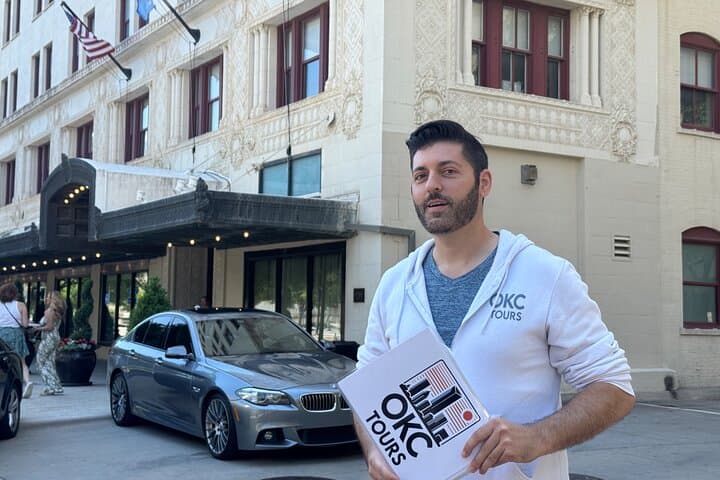
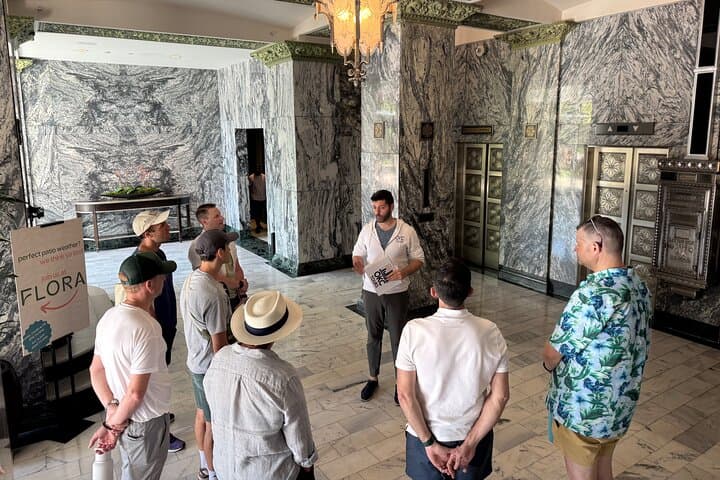
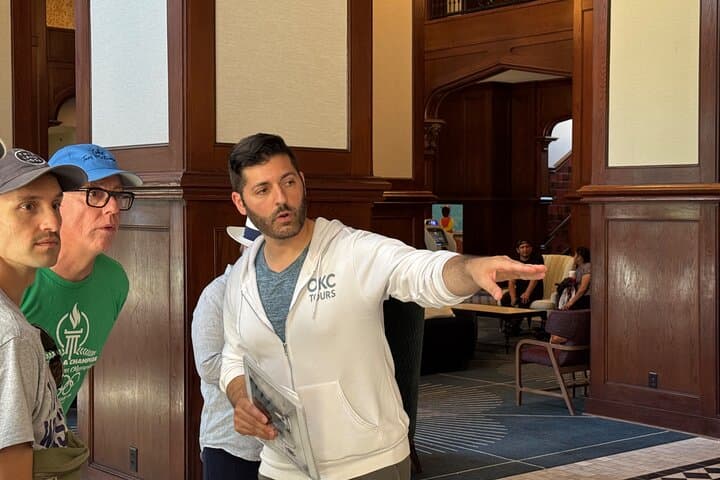
You stand in the warm, echoing Valet Lobby of The National hotel at 120 N Robinson, sneakers on polished stone and a stack of vintage photos passed toward you. The guide leans in with the first Land Run stories — guns, flags, and a scramble that rewrote this plain overnight — and the city’s outline begins to assemble around you: brick, steel, neon.
Verified experiences and guided adventures in the surrounding area.
Operated by OKC Tours · Oklahoma City, Oklahoma
You stand in the warm, echoing Valet Lobby of The National hotel at 120 N Robinson, sneakers on polished stone and a stack of vintage photos passed toward you. The guide leans in with the first Land Run stories — guns, flags, and a scramble that rewrote this plain overnight — and the city’s outline begins to assemble around you: brick, steel, neon.
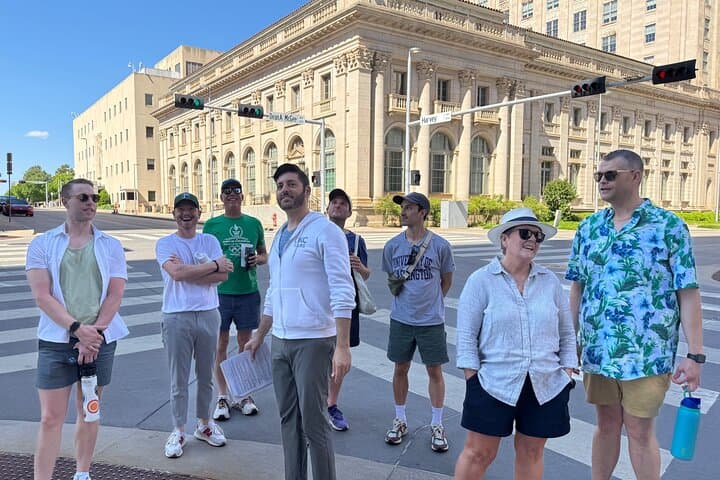
This two-hour walk tracks OKC’s rise from a 1889 frontier claim to a mid-century oil boom town and a modern, redeveloped downtown. Expect close-up looks at the Skirvin Hotel’s century-old lobby and ghost stories, the former bank’s bold Art Deco façades and interiors, the automotive history of Automobile Alley, and a measured passage through the Oklahoma City National Memorial grounds where design elements mark loss and recovery. Geologically the area sits on the Great Plains’ Permian red-bed strata; the North Canadian (Oklahoma) River skirts downtown and, in floods and plans, has shaped the city’s layout and parks.
Culturally you’ll hear about oil-money patrons like Robert S. Kerr, urban renewal waves, and the recent push to reclaim historic storefronts for restaurants and studios. Practical notes: the walk is about two miles at an easy-to-moderate urban pace with several stops; museum admission is not included. Bring water, sun protection, and a phone for photos — rain cancels sometimes and the operator requests 24‑hour cancellation for refunds.
Accessibility: strollers and service animals are allowed but the route includes stairs and uneven sidewalks; it isn’t recommended for travelers with significant spinal, heart, or pregnancy-related restrictions. Arrive 10 minutes early to check in and to hear the first, vivid chapter of OKC’s story.
moderate.
2 hours.
Moderate — able to walk two miles at a steady pace and handle short stair sections.
This is a two-hour walking tour covering roughly two miles with several stops; pace is relaxed but continuous.
No — admission to the Oklahoma City National Memorial museum and other paid interiors is not included in the tour price.
Strollers are allowed and most sidewalks are accessible, but there are stairs and some uneven sections; contact the operator for specific accessibility concerns.
Full refunds are available if you cancel at least 24 hours before the scheduled departure; tours may be canceled for bad weather or low enrollment.
The walk traces key moments from the 1889 Land Run through oil-era expansion and 20th-century urban renewal, with stories of local figures like Robert S. Kerr shaping civic development.
The National Memorial grounds and recent riverfront projects emphasize responsible commemoration and urban greening; support local preservation efforts by staying on paths and following site rules.
OKC Tours operates guided outdoor trips and adventures with an emphasis on safety, stewardship, and memorable experiences.
You stand in the warm, echoing Valet Lobby of The National hotel at 120 N Robinson, sneakers on polished stone and a stack of vintage photos passed toward you. The guide leans in with the first Land Run stories — guns, flags, and a scramble that rewrote this plain overnight — and the city’s outline begins to assemble around you: brick, steel, neon.
You stand in the warm, echoing Valet Lobby of The National hotel at 120 N Robinson, sneakers on polished stone and a stack of vintage photos passed toward you. The guide leans in with the first Land Run stories — guns, flags, and a scramble that rewrote this plain overnight — and the city’s outline begins to assemble around you: brick, steel, neon.
This two-hour walk tracks OKC’s rise from a 1889 frontier claim to a mid-century oil boom town and a modern, redeveloped downtown. Expect close-up looks at the Skirvin Hotel’s century-old lobby and ghost stories, the former bank’s bold Art Deco façades and interiors, the automotive history of Automobile Alley, and a measured passage through the Oklahoma City National Memorial grounds where design elements mark loss and recovery. Geologically the area sits on the Great Plains’ Permian red-bed strata; the North Canadian (Oklahoma) River skirts downtown and, in floods and plans, has shaped the city’s layout and parks.
Culturally you’ll hear about oil-money patrons like Robert S. Kerr, urban renewal waves, and the recent push to reclaim historic storefronts for restaurants and studios. Practical notes: the walk is about two miles at an easy-to-moderate urban pace with several stops; museum admission is not included. Bring water, sun protection, and a phone for photos — rain cancels sometimes and the operator requests 24‑hour cancellation for refunds.
Accessibility: strollers and service animals are allowed but the route includes stairs and uneven sidewalks; it isn’t recommended for travelers with significant spinal, heart, or pregnancy-related restrictions. Arrive 10 minutes early to check in and to hear the first, vivid chapter of OKC’s story.