THE ADVENTURE COLLECTIVE® · Independent discovery and booking for outdoor travel

Experience Oaxaca’s Sunday lucha libre: four hours of masked drama, local flavor and a guided introduction to one of Mexico’s most theatrical sporting traditions. Arrive early, bring small bills, and be ready for an up-close cultural show.
Experience Oaxaca’s Sunday lucha libre: four hours of masked drama, local flavor and a guided introduction to one of Mexico’s most theatrical sporting traditions. Arrive early, bring small bills, and be ready for an up-close cultural show.
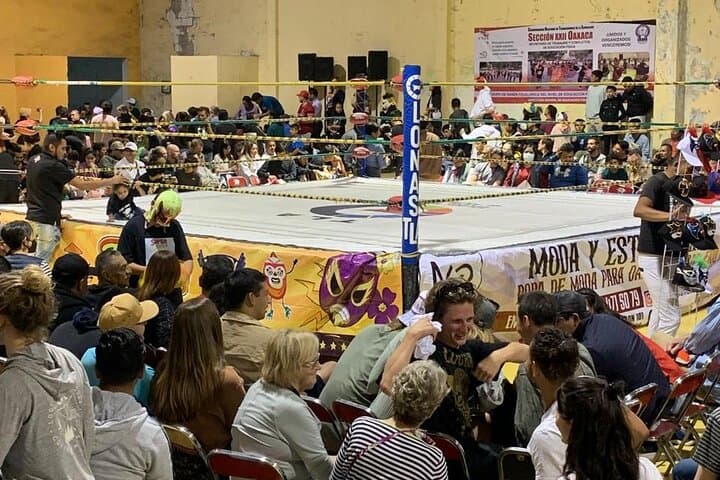
The sun leans toward the Sierra Madre as you step into a small arena on a Oaxaca Sunday, where dust, laughter and the low hum of the crowd combine into a palpable expectation.
Verified experiences and guided adventures in the surrounding area.
Operated by Vamonos Andar · Oaxaca City, Oaxaca
The sun leans toward the Sierra Madre as you step into a small arena on a Oaxaca Sunday, where dust, laughter and the low hum of the crowd combine into a palpable expectation.
Ringside, masked fighters move with practiced theater—leaps, locks and the quick flash of color. A local guide fills in the backstory between rounds, tracing modern lucha libre to early 20th-century Mexican sport and folklore, and explaining how masks carry community identity and myth.
Oaxaca sits in a high valley of volcanic soils and agave fields; this show is part popular entertainment, part regional ritual. The space around the ring smells of grilled snacks and mezcal smoke, and city pigeons wheel above the lights, the urban sky pushing cool air through open doors.
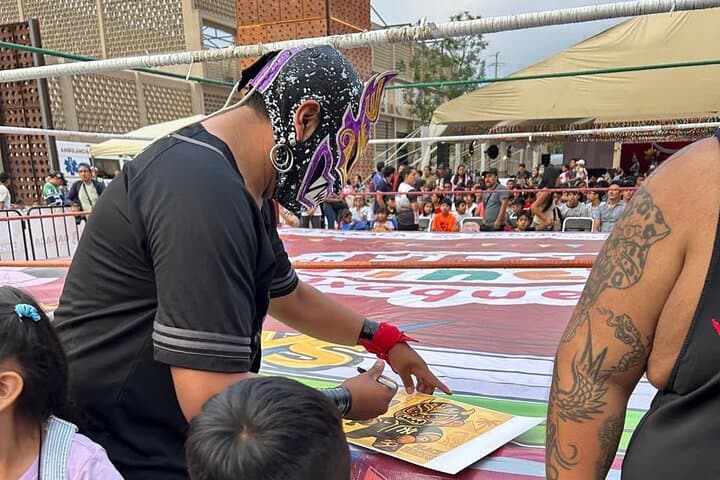
Expect three to four hours of event time, inclusive of meet-and-greet opportunities when performers swap stories and fans can take photos. The production is theatrical more than combative—moves practiced for spectacle, not a prizefight—and guides often translate wrestler nicknames and regional references.
Practicalities matter: arrive early to secure closer seats, carry small bills for snacks and tips, and bring ear protection if you’re sensitive to sudden shouts or loudspeakers. The venue is accessible by public transport and is wheelchair friendly, but narrow entryways and crowded corridors can be tight during peak arrival.
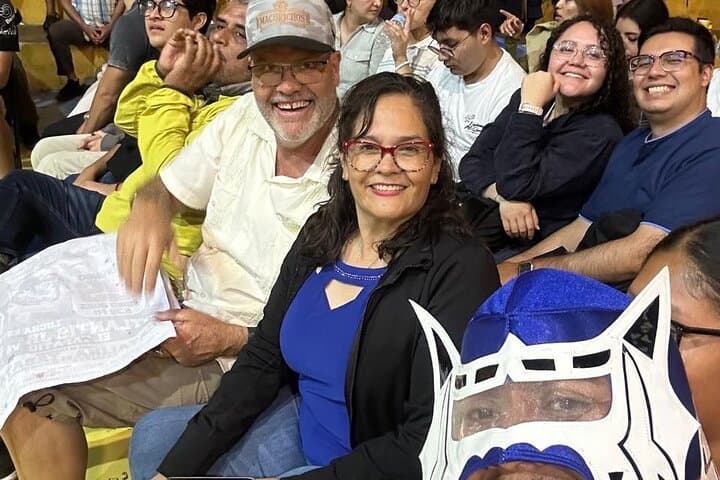
This is a social, cultural evening—part sport, part folklore—best enjoyed with curiosity, a willingness to stand close with locals, and respect for performers and their masks.
easy.
4–4.5 hours.
Suitable for all fitness levels; you will be standing or seated in a lively, crowded space.
Yes—lucha libre is theatrical and suitable for most ages, though loud noises and physical stunts may not suit very young children.
Most tours include a meet-and-greet; expect brief interactions and photo opportunities guided by staff.
Yes—local snacks and non-alcoholic beverages are usually sold; bring cash for quick purchases.
The tour notes indicate wheelchair-accessible surfaces and areas, but crowded entry points can be tight—notify organizers of special requirements in advance.
Lucha libre developed in early 20th-century Mexico as a blend of sport and popular theater; masks create characters that often reference folk heroes and social archetypes.
Support local vendors and take waste with you when possible; venues in Oaxaca increasingly encourage responsible disposal and reduced single-use plastics.
Vamonos Andar operates guided outdoor trips and adventures with an emphasis on safety, stewardship, and memorable experiences.

The sun leans toward the Sierra Madre as you step into a small arena on a Oaxaca Sunday, where dust, laughter and the low hum of the crowd combine into a palpable expectation.
The sun leans toward the Sierra Madre as you step into a small arena on a Oaxaca Sunday, where dust, laughter and the low hum of the crowd combine into a palpable expectation.
Ringside, masked fighters move with practiced theater—leaps, locks and the quick flash of color. A local guide fills in the backstory between rounds, tracing modern lucha libre to early 20th-century Mexican sport and folklore, and explaining how masks carry community identity and myth.
Oaxaca sits in a high valley of volcanic soils and agave fields; this show is part popular entertainment, part regional ritual. The space around the ring smells of grilled snacks and mezcal smoke, and city pigeons wheel above the lights, the urban sky pushing cool air through open doors.
Expect three to four hours of event time, inclusive of meet-and-greet opportunities when performers swap stories and fans can take photos. The production is theatrical more than combative—moves practiced for spectacle, not a prizefight—and guides often translate wrestler nicknames and regional references.
Practicalities matter: arrive early to secure closer seats, carry small bills for snacks and tips, and bring ear protection if you’re sensitive to sudden shouts or loudspeakers. The venue is accessible by public transport and is wheelchair friendly, but narrow entryways and crowded corridors can be tight during peak arrival.
This is a social, cultural evening—part sport, part folklore—best enjoyed with curiosity, a willingness to stand close with locals, and respect for performers and their masks.