THE ADVENTURE COLLECTIVE® · Independent discovery and booking for outdoor travel

Walk 28th Street’s historic Flower District with a local guide, from wholesale stalls to a hands-on floral demo and brunch. Learn buying tips, find specialty supplies and see how professional florists work the trade.
Walk 28th Street’s historic Flower District with a local guide, from wholesale stalls to a hands-on floral demo and brunch. Learn buying tips, find specialty supplies and see how professional florists work the trade.
You step off 28th Street and the city noise shifts into a different rhythm: delivery trucks humming, vendors calling prices, and an immediate bloom of color as crates of roses, lilies and seasonal greens spill onto the sidewalks.
Verified experiences and guided adventures in the surrounding area.
Operated by The Paris House · New York, New York
You step off 28th Street and the city noise shifts into a different rhythm: delivery trucks humming, vendors calling prices, and an immediate bloom of color as crates of roses, lilies and seasonal greens spill onto the sidewalks.
The Flower District grew around Manhattan's wholesale trade early in the 20th century, when growers and importers concentrated storefronts and warehouses along 28th Street to serve florists across the city. The stone and brick of the blocks tell an industrial story; basements once used for storage now house coolers and floral prep rooms. Culturally, this strip is where high fashion floristry meets small-business scrappiness—ribbons, buckets and bargain crates sit beside bespoke design studios.
On a guided walk you’ll see how stems are graded, learn names of varieties and watch dealers negotiate by the case. A hotel event space or café often hosts a European-style brunch and a hands-on floral demo—practical techniques like wiring, conditioning stems and basic mechanics that you can use at home or in a budding floral business.
Practical guidance: wear comfortable shoes for hard sidewalks, bring a tote or folding box for purchases, and bring business details if you are exploring wholesale accounts (some suppliers require resale certificates). Mornings are busiest for deliveries and freshest picks; afternoon demos are relaxed. The tour is largely curb-to-shop walking with accessible routes, so plan for moderate mobility needs and a willingness to stand during demos.
moderate.
4 hours.
Light to moderate fitness—comfortable standing and walking on city sidewalks for several hours.
No—many shops will sell retail lots to walk-in customers, but to open wholesale accounts or access trade pricing you’ll usually need a resale certificate or business ID.
Yes. The tour listing notes wheelchair accessibility for streets and selected venues, though busy sidewalks and occasional delivery activity can create brief obstacles.
Yes; the district is stroller-accessible, but expect crowded sidewalks and active loading zones—plan to keep children close during busy delivery periods.
Typically a guided walkthrough of wholesale shops, a curated list of supplier recommendations, plus a European-style brunch and a live floral demonstration.
The Flower District consolidated into a wholesale hub on 28th Street in the early 20th century as flower importers and growers centralized to supply Manhattan’s florists and department stores.
Many florists here are increasingly sourcing local and seasonal stems and reducing single-use floral foam; ask vendors about sustainably grown or domestic options to reduce shipping impact.
The Paris House operates guided outdoor trips and adventures with an emphasis on safety, stewardship, and memorable experiences.
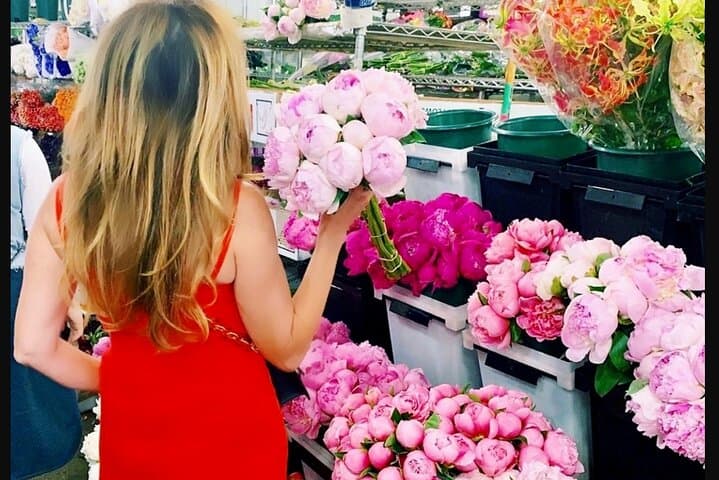
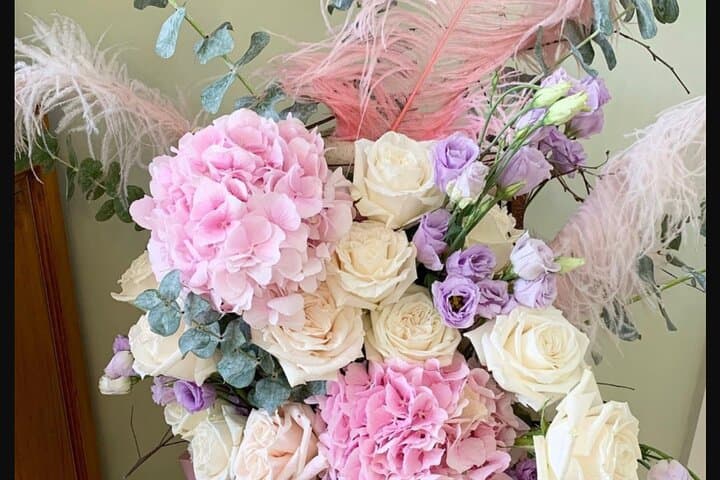
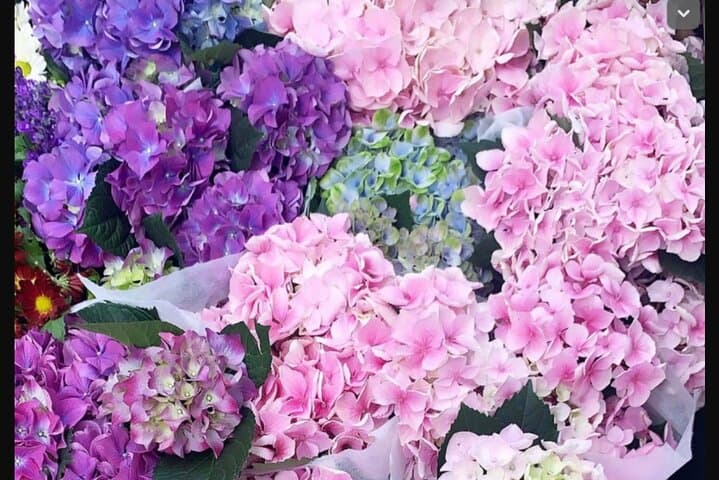
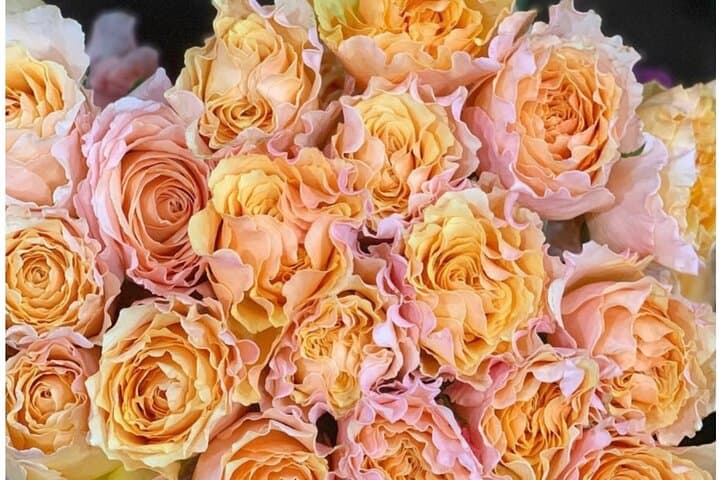
You step off 28th Street and the city noise shifts into a different rhythm: delivery trucks humming, vendors calling prices, and an immediate bloom of color as crates of roses, lilies and seasonal greens spill onto the sidewalks.
You step off 28th Street and the city noise shifts into a different rhythm: delivery trucks humming, vendors calling prices, and an immediate bloom of color as crates of roses, lilies and seasonal greens spill onto the sidewalks.
The Flower District grew around Manhattan's wholesale trade early in the 20th century, when growers and importers concentrated storefronts and warehouses along 28th Street to serve florists across the city. The stone and brick of the blocks tell an industrial story; basements once used for storage now house coolers and floral prep rooms. Culturally, this strip is where high fashion floristry meets small-business scrappiness—ribbons, buckets and bargain crates sit beside bespoke design studios.
On a guided walk you’ll see how stems are graded, learn names of varieties and watch dealers negotiate by the case. A hotel event space or café often hosts a European-style brunch and a hands-on floral demo—practical techniques like wiring, conditioning stems and basic mechanics that you can use at home or in a budding floral business.
Practical guidance: wear comfortable shoes for hard sidewalks, bring a tote or folding box for purchases, and bring business details if you are exploring wholesale accounts (some suppliers require resale certificates). Mornings are busiest for deliveries and freshest picks; afternoon demos are relaxed. The tour is largely curb-to-shop walking with accessible routes, so plan for moderate mobility needs and a willingness to stand during demos.