THE ADVENTURE COLLECTIVE® · Independent discovery and booking for outdoor travel

Spend a full day descending into the Ngorongoro Crater from Arusha for concentrated wildlife viewing, dramatic geology, and a close-up look at Maasai grazing lands. This practical guide outlines what to expect, how to prepare, and where to look for the crater’s highlights.
Spend a full day descending into the Ngorongoro Crater from Arusha for concentrated wildlife viewing, dramatic geology, and a close-up look at Maasai grazing lands. This practical guide outlines what to expect, how to prepare, and where to look for the crater’s highlights.
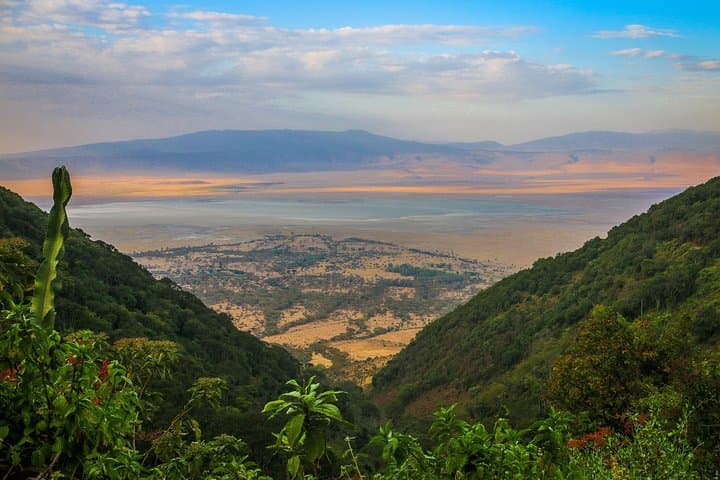
You arrive before dawn, the vehicle humming along red-earth roads as the rim of Ngorongoro pries open against a pale sky.
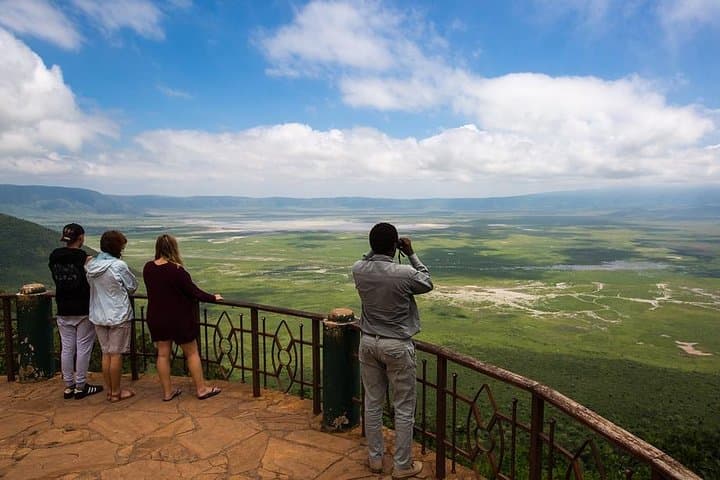
A low wall of volcanic rock cups a surprising plain below; early light pulls the crater floor into relief and the first wildebeest scatter like punctuation across grass.
Verified experiences and guided adventures in the surrounding area.
Operated by Simba Adventures · Ngorongoro Conservation Area, Arusha Region
You arrive before dawn, the vehicle humming along red-earth roads as the rim of Ngorongoro pries open against a pale sky.
A low wall of volcanic rock cups a surprising plain below; early light pulls the crater floor into relief and the first wildebeest scatter like punctuation across grass.
The Ngorongoro Crater formed when a giant volcano collapsed two to three million years ago, creating the largest intact caldera on Earth. Geology here is immediate: blackened basalt rims, fertile ash plains, and the Lerai forest’s figs offering shade. Culturally, the area sits within the Ngorongoro Conservation Area where semi-nomadic Maasai graze cattle alongside wildlife — a lived example of human and wild coexistence.
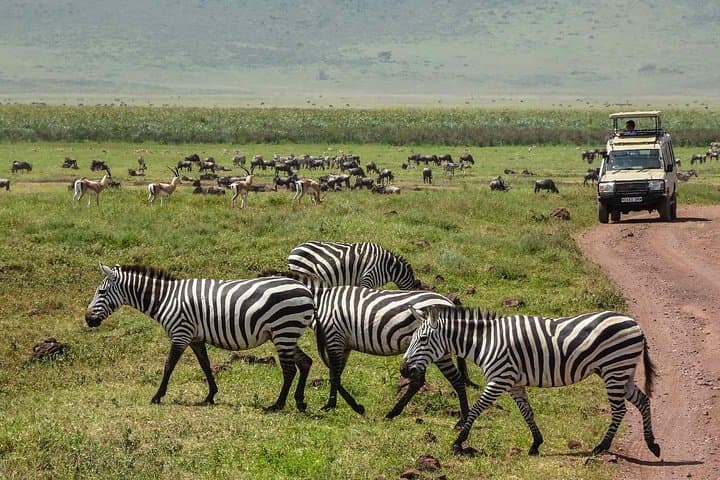
On a one-day tour from Arusha you’ll descend the rim for a focused game drive: expect concentrated wildlife viewing, from grazing buffalo and parties of elephant to the rarer black rhino tucked into dense scrub. Guides read the plain like a map, following spoor and watering patterns to increase sightings.
Practically, this is a long day: early pickup, several hours on unpaved crater roads, and a midday lunch that often arrives at a scenic stop. Layers are essential for cold mornings and warm afternoons; roads are bumpy so secure gear and charge cameras. Bring binoculars, stay on designated tracks, and allow the crater’s rhythms to dictate your pace — it rewards patience with close, cinematic wildlife encounters.
easy.
10–12 hours.
Suitable for most fitness levels; expect extended periods in a vehicle and short, uneven walks at viewpoints.
This tour description lists fees and taxes included and notes that admission is provided, but confirm the final booking details to ensure all park levies are covered.
Ngorongoro is one of the best places to see concentrated Big Five populations, but wildlife sightings can’t be guaranteed — mornings and following water sources increase chances.
The crater rim sits above 2,200 m and the floor around 1,800–2,000 m; those with respiratory or heart conditions should consult a physician before travel and allow for restful pacing.
This operator lists wheelchair-accessible transport and options; however, crater roads are rough and viewpoint access may be limited—confirm specific accessibility needs when booking.
Ngorongoro formed when an ancient volcano collapsed millions of years ago; the area is now managed as a conservation landscape where Maasai pastoralism continues alongside wildlife protection.
Conservation here balances tourism and Maasai grazing; follow park rules to reduce impact and support ongoing rhino-protection and habitat-management efforts.
Simba Adventures operates guided outdoor trips and adventures with an emphasis on safety, stewardship, and memorable experiences.
You arrive before dawn, the vehicle humming along red-earth roads as the rim of Ngorongoro pries open against a pale sky.
A low wall of volcanic rock cups a surprising plain below; early light pulls the crater floor into relief and the first wildebeest scatter like punctuation across grass.
You arrive before dawn, the vehicle humming along red-earth roads as the rim of Ngorongoro pries open against a pale sky.
A low wall of volcanic rock cups a surprising plain below; early light pulls the crater floor into relief and the first wildebeest scatter like punctuation across grass.
The Ngorongoro Crater formed when a giant volcano collapsed two to three million years ago, creating the largest intact caldera on Earth. Geology here is immediate: blackened basalt rims, fertile ash plains, and the Lerai forest’s figs offering shade. Culturally, the area sits within the Ngorongoro Conservation Area where semi-nomadic Maasai graze cattle alongside wildlife — a lived example of human and wild coexistence.
On a one-day tour from Arusha you’ll descend the rim for a focused game drive: expect concentrated wildlife viewing, from grazing buffalo and parties of elephant to the rarer black rhino tucked into dense scrub. Guides read the plain like a map, following spoor and watering patterns to increase sightings.
Practically, this is a long day: early pickup, several hours on unpaved crater roads, and a midday lunch that often arrives at a scenic stop. Layers are essential for cold mornings and warm afternoons; roads are bumpy so secure gear and charge cameras. Bring binoculars, stay on designated tracks, and allow the crater’s rhythms to dictate your pace — it rewards patience with close, cinematic wildlife encounters.