THE ADVENTURE COLLECTIVE® · Independent discovery and booking for outdoor travel

Descend 600 meters into one of the world’s most concentrated wildlife arenas on a full-day Ngorongoro Crater tour. Expect close game viewing, a picnic by a hippo pool, and the option to stretch your legs on a guided rim walk.
Descend 600 meters into one of the world’s most concentrated wildlife arenas on a full-day Ngorongoro Crater tour. Expect close game viewing, a picnic by a hippo pool, and the option to stretch your legs on a guided rim walk.
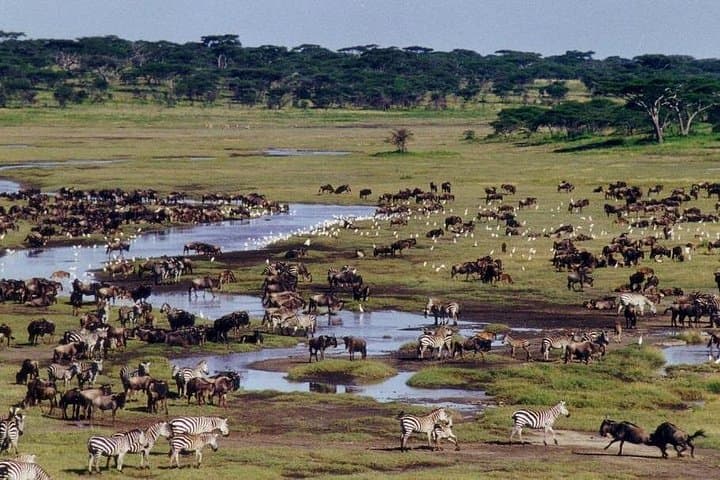
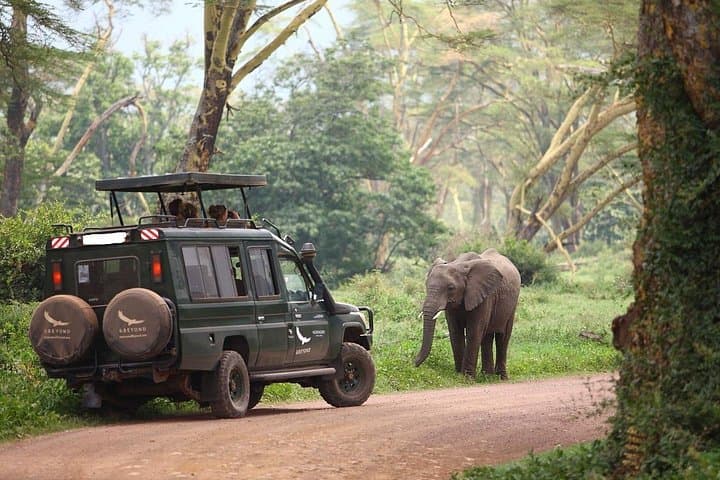
The morning light opens like a curtain over the rim—cool air cutting across the saddle of the highlands as your vehicle drops toward a 600-meter-deep volcanic bowl alive with movement. Below, plains fold into pools and kopjes where elephants pick their way, hippos recline in muddy springs and lions mark territory against an amphitheater of crater walls.
Verified experiences and guided adventures in the surrounding area.
Operated by Gracepatt Ecotours Kenya · Karatu, Arusha Region
The morning light opens like a curtain over the rim—cool air cutting across the saddle of the highlands as your vehicle drops toward a 600-meter-deep volcanic bowl alive with movement. Below, plains fold into pools and kopjes where elephants pick their way, hippos recline in muddy springs and lions mark territory against an amphitheater of crater walls.
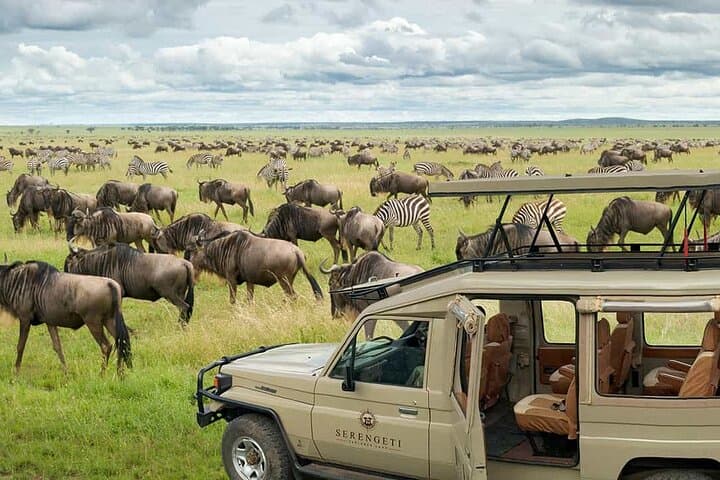
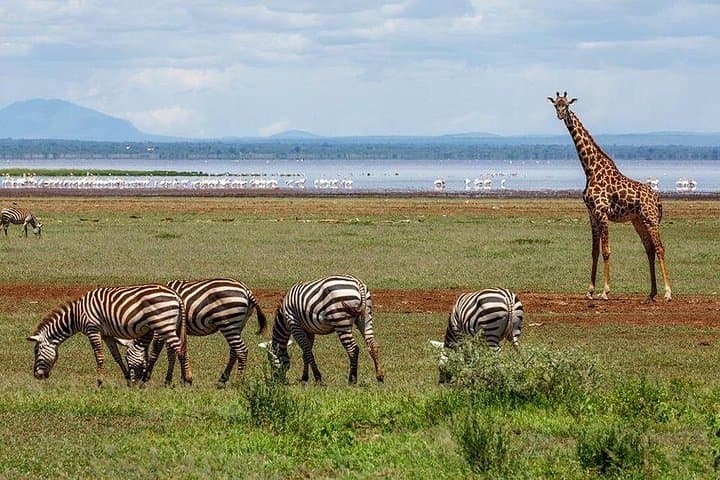
Geologically, Ngorongoro is an ancient caldera carved by a massive eruption and collapse; its rim and inner features chronicle volcanic activity from hundreds of thousands of years ago. Culturally the crater sits within the Ngorongoro Conservation Area, a UNESCO-protected landscape where Maasai pastoralists continue seasonal grazing traditions alongside wildlife management. That mix of human and natural history creates rare viewing—dense populations of wildebeest, zebra and the occasional black rhino are compacted into a single day’s drive.
Expect a full-day itinerary: early pickup from Arusha or nearby Karatu, a scenic viewpoint stop, then descent into the crater for morning and afternoon game drives, a picnic lunch at Ngoitoktok Springs by the hippo pool, and optional short rim walks with a ranger. Wildlife encounters can be close; the terrain alternates grassy plains, shallow wetlands and rocky outcrops. Practical notes: carry sun protection, a good zoom lens or binoculars, and water; mornings are cool but the crater warms quickly. Vehicles can be dusty and drives often run 8–10 hours including transfers—plan for a long, rewarding day. Respect ranger instructions, keep distance from animals, and bring layered clothing for changing conditions on the rim.
easy.
8–10 hours.
Suitable for most fitness levels; requires ability to sit in a safari vehicle and handle short, optional walks.
The full-day excursion runs about 8–10 hours; pickup is typically early morning from Arusha, Karatu or Manyara—confirm exact time with your operator.
Ngorongoro has high concentrations of the Big Five, but sightings aren't guaranteed; the crater gives better odds than most areas due to its enclosed ecosystem.
A short guided nature walk is sometimes offered with an armed ranger—availability depends on weather, time and park regulations.
Reputable day tours usually include all park and crater entry fees; verify inclusions before booking to avoid surprises.
Ngorongoro formed when a large volcano collapsed; the conservation area balances wildlife protection with Maasai grazing and was designated a UNESCO World Heritage Site.
The Ngorongoro Conservation Area is managed to support both wildlife and local communities—stay on established roads, avoid single-use plastics and follow ranger rules to minimize impact.
Gracepatt Ecotours Kenya operates guided outdoor trips and adventures with an emphasis on safety, stewardship, and memorable experiences.
The morning light opens like a curtain over the rim—cool air cutting across the saddle of the highlands as your vehicle drops toward a 600-meter-deep volcanic bowl alive with movement. Below, plains fold into pools and kopjes where elephants pick their way, hippos recline in muddy springs and lions mark territory against an amphitheater of crater walls.
The morning light opens like a curtain over the rim—cool air cutting across the saddle of the highlands as your vehicle drops toward a 600-meter-deep volcanic bowl alive with movement. Below, plains fold into pools and kopjes where elephants pick their way, hippos recline in muddy springs and lions mark territory against an amphitheater of crater walls.
Geologically, Ngorongoro is an ancient caldera carved by a massive eruption and collapse; its rim and inner features chronicle volcanic activity from hundreds of thousands of years ago. Culturally the crater sits within the Ngorongoro Conservation Area, a UNESCO-protected landscape where Maasai pastoralists continue seasonal grazing traditions alongside wildlife management. That mix of human and natural history creates rare viewing—dense populations of wildebeest, zebra and the occasional black rhino are compacted into a single day’s drive.
Expect a full-day itinerary: early pickup from Arusha or nearby Karatu, a scenic viewpoint stop, then descent into the crater for morning and afternoon game drives, a picnic lunch at Ngoitoktok Springs by the hippo pool, and optional short rim walks with a ranger. Wildlife encounters can be close; the terrain alternates grassy plains, shallow wetlands and rocky outcrops. Practical notes: carry sun protection, a good zoom lens or binoculars, and water; mornings are cool but the crater warms quickly. Vehicles can be dusty and drives often run 8–10 hours including transfers—plan for a long, rewarding day. Respect ranger instructions, keep distance from animals, and bring layered clothing for changing conditions on the rim.