THE ADVENTURE COLLECTIVE® · Independent discovery and booking for outdoor travel

Descend the rim into one of Africa’s most concentrated wildlife arenas. This full‑day safari from Arusha delivers close game drives, a crater‑floor picnic and sweeping geological history—all in a single, unforgettable day.
Descend the rim into one of Africa’s most concentrated wildlife arenas. This full‑day safari from Arusha delivers close game drives, a crater‑floor picnic and sweeping geological history—all in a single, unforgettable day.
You drive along the rutted highway before the land opens into a rim that feels like the lip of the world. The crater floor stretches away below—grasslands, a soda lake, and herds that move with deliberate purpose—while the rim watches, steep and green. Vehicles thread between acacia and mopane as guides scan the horizon with practiced patience; the wind down in the caldera seems to push you toward the animals.
Verified experiences and guided adventures in the surrounding area.
Operated by Face of Africa Adventures · Ngorongoro, Arusha Region
You drive along the rutted highway before the land opens into a rim that feels like the lip of the world. The crater floor stretches away below—grasslands, a soda lake, and herds that move with deliberate purpose—while the rim watches, steep and green. Vehicles thread between acacia and mopane as guides scan the horizon with practiced patience; the wind down in the caldera seems to push you toward the animals.
Geology and history shape the scene: Ngorongoro is a volcanic caldera roughly 19 km across and about 610 m deep, formed when a volcano collapsed some 2.5 million years ago. The area is part of the Ngorongoro Conservation Area, a UNESCO World Heritage Site where Maasai pastoralists share the landscape with wildlife—an often tense but historically rooted arrangement that colors local conservation practices.
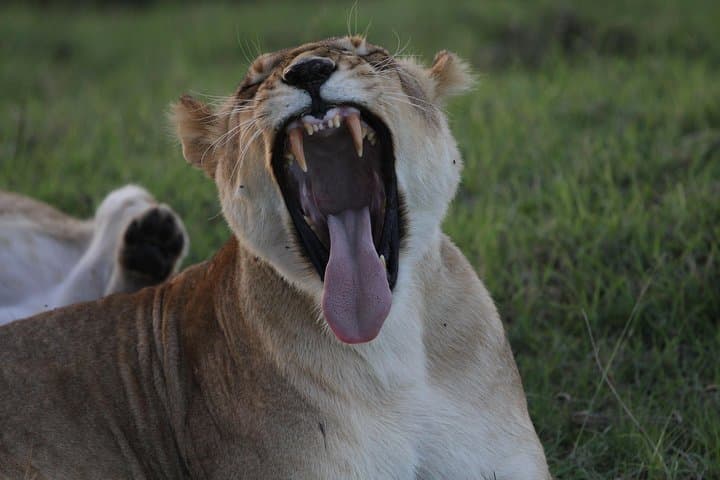
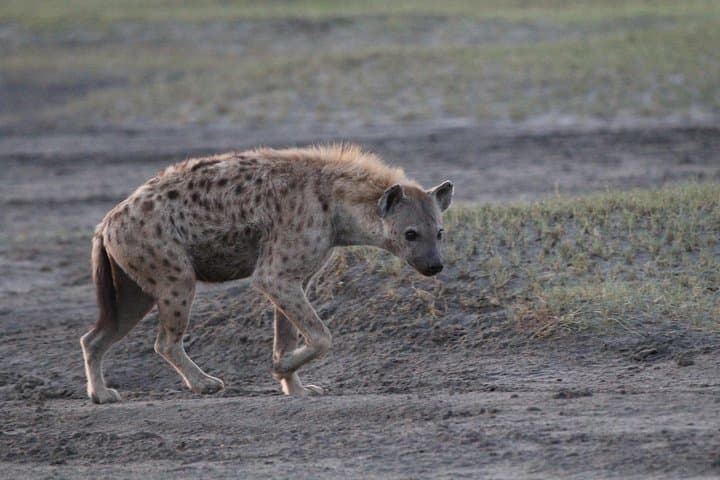
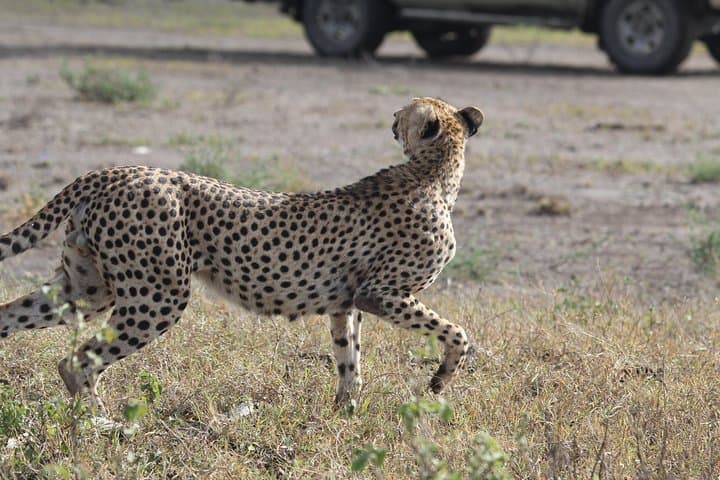
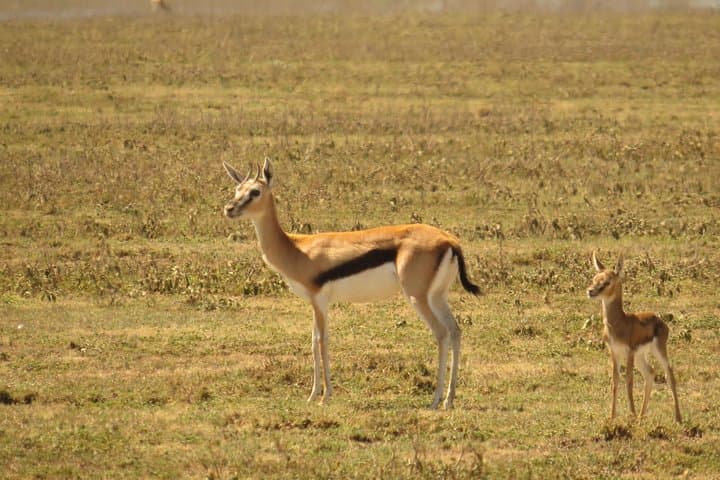
On a day trip from Arusha you'll typically enter shortly after dawn, descend the rim and spend several hours on game drives. Expect concentrated wildlife viewing: elephants, lions, buffalo, leopards and the rare black rhino have been recorded here, while flamingos congregate on the crater’s soda lake. Lunch is usually a picnic inside the crater; long lens and binoculars are worth their weight.
Practical guidance: start early for softer light and active predators; sun can be intense at altitude, so pack layers for chilly mornings and a warm jacket for the drive up the rim. Respect guide instructions—staying in the vehicle preserves both safety and the animals’ behavior. With park admission included in many day trips, the logistical focus is comfort, patience and a good camera.
easy.
6–8 hours.
Suitable for most fitness levels; requires long periods seated in a vehicle and short walks at picnic stops.
Most operators run a full day — plan for about 6–8 hours including transport, crater time and return to Arusha.
Ngorongoro supports all Big Five species, but wildlife sightings cannot be guaranteed; sightings are common for elephants, lions and buffalo here.
Many day-trip packages include crater admission; confirm with your operator—this specific itinerary lists admission as included.
The tour is often accessible and labeled physically easy, but vehicle access is required and some crater areas are uneven; check vehicle and assistance options when booking.
The Ngorongoro Conservation Area balances Maasai pastoralism and wildlife protection and was designated a UNESCO World Heritage Site in 1979.
Tourism fees fund conservation and community programs; staying on roads and following guide instructions reduces disturbance to wildlife and grazing areas.
Face of Africa Adventures operates guided outdoor trips and adventures with an emphasis on safety, stewardship, and memorable experiences.
You drive along the rutted highway before the land opens into a rim that feels like the lip of the world. The crater floor stretches away below—grasslands, a soda lake, and herds that move with deliberate purpose—while the rim watches, steep and green. Vehicles thread between acacia and mopane as guides scan the horizon with practiced patience; the wind down in the caldera seems to push you toward the animals.
You drive along the rutted highway before the land opens into a rim that feels like the lip of the world. The crater floor stretches away below—grasslands, a soda lake, and herds that move with deliberate purpose—while the rim watches, steep and green. Vehicles thread between acacia and mopane as guides scan the horizon with practiced patience; the wind down in the caldera seems to push you toward the animals.
Geology and history shape the scene: Ngorongoro is a volcanic caldera roughly 19 km across and about 610 m deep, formed when a volcano collapsed some 2.5 million years ago. The area is part of the Ngorongoro Conservation Area, a UNESCO World Heritage Site where Maasai pastoralists share the landscape with wildlife—an often tense but historically rooted arrangement that colors local conservation practices.
On a day trip from Arusha you'll typically enter shortly after dawn, descend the rim and spend several hours on game drives. Expect concentrated wildlife viewing: elephants, lions, buffalo, leopards and the rare black rhino have been recorded here, while flamingos congregate on the crater’s soda lake. Lunch is usually a picnic inside the crater; long lens and binoculars are worth their weight.
Practical guidance: start early for softer light and active predators; sun can be intense at altitude, so pack layers for chilly mornings and a warm jacket for the drive up the rim. Respect guide instructions—staying in the vehicle preserves both safety and the animals’ behavior. With park admission included in many day trips, the logistical focus is comfort, patience and a good camera.