THE ADVENTURE COLLECTIVE® · Independent discovery and booking for outdoor travel

Descend into one of Africa’s most concentrated wildlife arenas on a full-day safari from Arusha. This guided day trip drops you into Ngorongoro Crater for sustained game drives, a picnic by the hippo pool, and panoramic rim views.
Descend into one of Africa’s most concentrated wildlife arenas on a full-day safari from Arusha. This guided day trip drops you into Ngorongoro Crater for sustained game drives, a picnic by the hippo pool, and panoramic rim views.
The day begins before dawn as your 4x4 slips out of Arusha and the highland road unfurls beneath a sky that lightens like a slow promise.
Verified experiences and guided adventures in the surrounding area.
Operated by ENCORE AFRICA · Arusha, Arusha Region
The day begins before dawn as your 4x4 slips out of Arusha and the highland road unfurls beneath a sky that lightens like a slow promise.
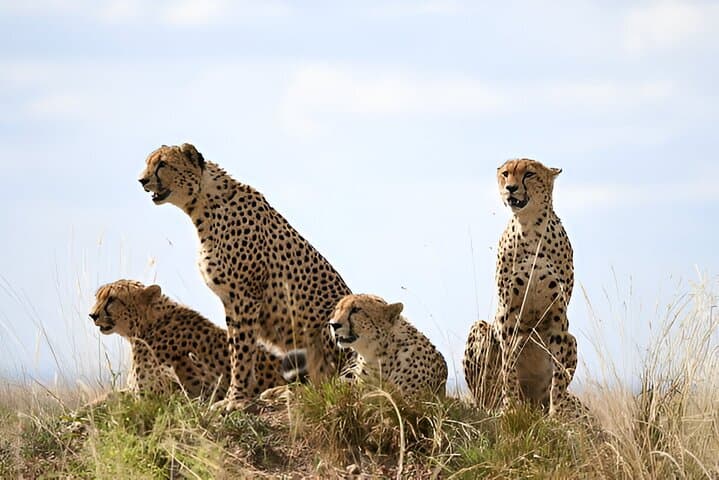
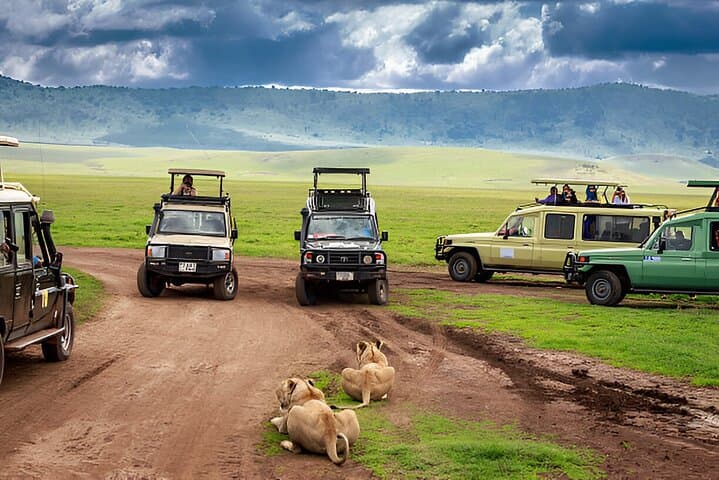
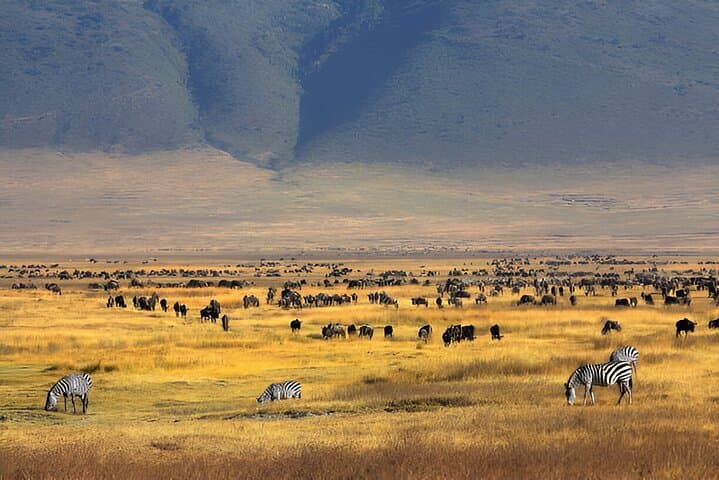
By midmorning you crest the crater rim and the landscape falls away — a vast, bowl-shaped world of grasslands, forest fringes and a shimmering hippo pool. The caldera pushes wildlife into a rich, compressed ecosystem; elephants and buffalo move like deliberate forces, lions watch with lazy intent, and flamingos carve a bright edge on distant water.
Ngorongoro’s geology is plain in the lines of the rim: an intact volcanic caldera formed when a super-volcano collapsed roughly 2–3 million years ago. That history created soils and water catchments that support high biodiversity; culturally, Maasai communities have grazed the highlands for generations and their pastoral presence remains visible on the drive in.
Expect game drives across mixed terrain — short grass plains, riverine corridors and shallow lakes — with frequent stops for photos and a picnic near the hippo pools. The route is driven, so physical effort is minimal, but mornings are cold and sun on the crater floor can be intense by noon.
Practical notes: depart early (pick-up around 5:30 AM), bring layered clothing, sun protection, and a refillable water bottle. Park fees and conservation levies are typically included on organized day trips; restrooms are available at designated stops but can be basic.
This is a long, full day (8–10 hours) of focused wildlife viewing — arrive prepared to sit, scan, and listen as the crater reveals its rhythms.
easy.
8–10 hours.
Basic fitness required for short walks and extended periods seated in a vehicle; suitable for most travelers.
Expect a scenic 3–4 hour drive to the crater rim each way depending on stops and traffic; the full trip is typically 8–10 hours.
Most organized day trips include park and conservation fees—confirm on booking and carry a copy of your booking confirmation.
No sighting is guaranteed, but the crater’s dense habitat offers some of Tanzania’s most reliable viewing of large mammals and birds.
Restrooms are available at designated stops; a packed picnic lunch is usually included in the itinerary.
The caldera formed when a massive volcano collapsed a few million years ago; its enclosed shape has preserved unique habitats and long-term Maasai grazing traditions.
The Ngorongoro Conservation Area balances wildlife protection and Maasai pastoralism; visitors are asked to follow park rules to limit disturbance and avoid off-road driving.
ENCORE AFRICA operates guided outdoor trips and adventures with an emphasis on safety, stewardship, and memorable experiences.

The day begins before dawn as your 4x4 slips out of Arusha and the highland road unfurls beneath a sky that lightens like a slow promise.
The day begins before dawn as your 4x4 slips out of Arusha and the highland road unfurls beneath a sky that lightens like a slow promise.
By midmorning you crest the crater rim and the landscape falls away — a vast, bowl-shaped world of grasslands, forest fringes and a shimmering hippo pool. The caldera pushes wildlife into a rich, compressed ecosystem; elephants and buffalo move like deliberate forces, lions watch with lazy intent, and flamingos carve a bright edge on distant water.
Ngorongoro’s geology is plain in the lines of the rim: an intact volcanic caldera formed when a super-volcano collapsed roughly 2–3 million years ago. That history created soils and water catchments that support high biodiversity; culturally, Maasai communities have grazed the highlands for generations and their pastoral presence remains visible on the drive in.
Expect game drives across mixed terrain — short grass plains, riverine corridors and shallow lakes — with frequent stops for photos and a picnic near the hippo pools. The route is driven, so physical effort is minimal, but mornings are cold and sun on the crater floor can be intense by noon.
Practical notes: depart early (pick-up around 5:30 AM), bring layered clothing, sun protection, and a refillable water bottle. Park fees and conservation levies are typically included on organized day trips; restrooms are available at designated stops but can be basic.
This is a long, full day (8–10 hours) of focused wildlife viewing — arrive prepared to sit, scan, and listen as the crater reveals its rhythms.