
Inside Ngorongoro Crater: A Day of Big‑Game Drives in a Volcanic Caldera
Spend a full day descending into Ngorongoro’s vast volcanic caldera for concentrated wildlife viewing. This guided trip combines game drives, a picnic lunch and interpretive insights into geology and Maasai land use.
An Adventure In Arusha.
Spend a full day descending into Ngorongoro’s vast volcanic caldera for concentrated wildlife viewing. This guided trip combines game drives, a picnic lunch and interpretive insights into geology and Maasai land use.
Read the full experience
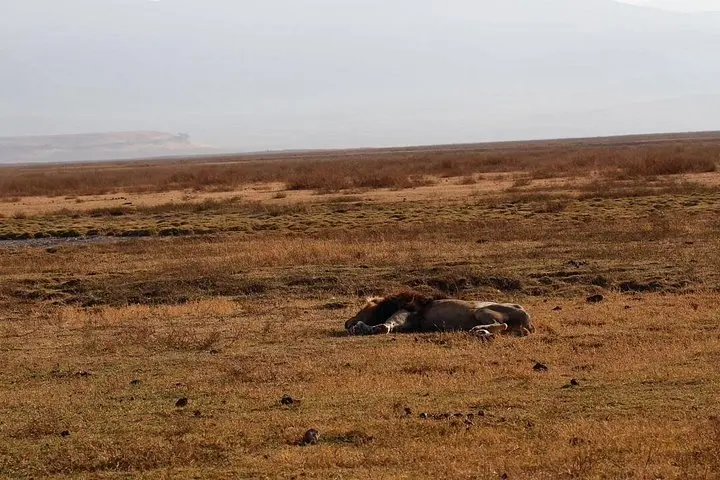
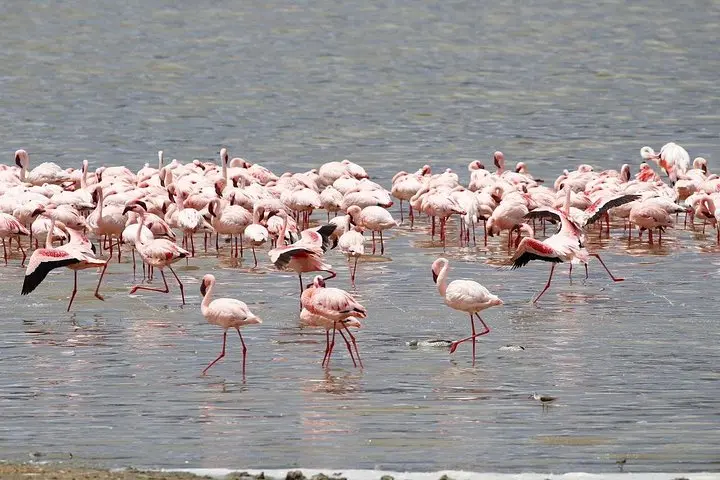
Dawn breaks over an ancient rim as a 4WD eases toward the Ngorongoro Crater—an immense volcanic bowl whose walls loom roughly 2,000 feet above the floor. Morning light scours the grasses and reveals herds moving in long lines; birds wheel and call from the shallow lakes while the land seems to hold its breath for a passing predator.
Dawn breaks over an ancient rim as a 4WD eases toward the Ngorongoro Crater—an immense volcanic bowl whose walls loom roughly 2,000 feet above the floor. Morning light scours the grasses and reveals herds moving in long lines; birds wheel and call from the shallow lakes while the land seems to hold its breath for a passing predator.
The caldera formed millions of years ago when a giant volcano collapsed; today it spans about 102 square miles and supports one of Africa’s densest wildlife populations. The Ngorongoro Conservation Area is also a living cultural landscape—Maasai herders graze cattle on the rim and maintain grazing rights that coexist with wildlife protections and UNESCO designation.
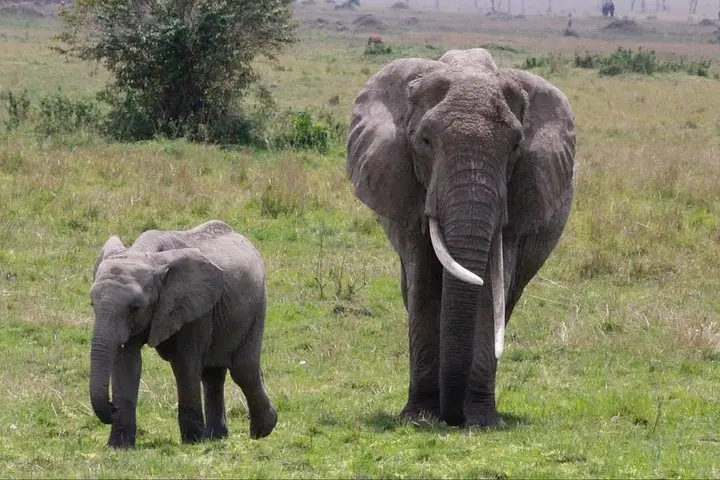
On a guided day trip you’ll descend through the crater gate, drive across varied terrain—open savanna, marshy lakes and the fig groves of Lerai—and pause at viewpoints and waterholes where elephants, buffalo and even the endangered black rhinoceros appear. Drivers and guides read spoor and behavior; game drives emphasize patient observation over speed.
Practical notes: tours typically include park entry, a picnic lunch and transport in modified Land Cruisers with photographic roofs. Expect an early pickup and an 10–11 hour outing from Arusha. Roads inside the crater are passable in dry weather but can be bumpy; binoculars, a telephoto lens and layered clothing improve comfort. Respect park rules—stay in the vehicle, keep noise low and follow your guide’s directions—to protect both wildlife and the long-term value of this remarkable caldera.
Frequently asked questions
Ngorongoro hosts many of the Big Five, but sightings are not guaranteed—black rhino and leopard are rarer; guides maximize chances through knowledge and patience.
Yes; standard day-trip packages include parks entry fees and a picnic lunch, as well as bottled drinking water and transport in a photographic-roof 4x4.
Expect about 3–4 hours each way depending on traffic and stops—total trip time is generally 10–11 hours from hotel pickup to drop-off.
Yes; the tour is labeled physically easy, but infants typically sit on laps and children should remain seated in the vehicle for safety.
About This Experience
Tanzania Good Friends Safaris operates guided outdoor trips and adventures with an emphasis on safety, stewardship, and memorable experiences.
Adventure tips
Recommended gear
- Telephoto camera lens (200–400mm): Allows close-up photos of distant animals from inside the vehicle.
- Binoculars (8x–10x): Improves wildlife viewing at waterholes and across open plains.
- Sun hat & sunscreen: Protects against strong equatorial sun during midday stops.
- Light fleece or windbreaker: Early mornings and higher elevations can be cool; layers are useful.
Photos of the experience

Related adventures & guides
Read the full experience
Dawn breaks over an ancient rim as a 4WD eases toward the Ngorongoro Crater—an immense volcanic bowl whose walls loom roughly 2,000 feet above the floor. Morning light scours the grasses and reveals herds moving in long lines; birds wheel and call from the shallow lakes while the land seems to hold its breath for a passing predator.
Dawn breaks over an ancient rim as a 4WD eases toward the Ngorongoro Crater—an immense volcanic bowl whose walls loom roughly 2,000 feet above the floor. Morning light scours the grasses and reveals herds moving in long lines; birds wheel and call from the shallow lakes while the land seems to hold its breath for a passing predator.
The caldera formed millions of years ago when a giant volcano collapsed; today it spans about 102 square miles and supports one of Africa’s densest wildlife populations. The Ngorongoro Conservation Area is also a living cultural landscape—Maasai herders graze cattle on the rim and maintain grazing rights that coexist with wildlife protections and UNESCO designation.
On a guided day trip you’ll descend through the crater gate, drive across varied terrain—open savanna, marshy lakes and the fig groves of Lerai—and pause at viewpoints and waterholes where elephants, buffalo and even the endangered black rhinoceros appear. Drivers and guides read spoor and behavior; game drives emphasize patient observation over speed.
Practical notes: tours typically include park entry, a picnic lunch and transport in modified Land Cruisers with photographic roofs. Expect an early pickup and an 10–11 hour outing from Arusha. Roads inside the crater are passable in dry weather but can be bumpy; binoculars, a telephoto lens and layered clothing improve comfort. Respect park rules—stay in the vehicle, keep noise low and follow your guide’s directions—to protect both wildlife and the long-term value of this remarkable caldera.
Make a day of it nearby.
Verified experiences and guided adventures in the surrounding area.