THE ADVENTURE COLLECTIVE® · Independent discovery and booking for outdoor travel

Explore the hidden architecture and fast-moving history of NYC’s subway on a private 2.5-hour guided tour. See Grand Central, Astor Place and a ride-by view of the abandoned City Hall station while learning the engineering and politics that shaped the system.
Explore the hidden architecture and fast-moving history of NYC’s subway on a private 2.5-hour guided tour. See Grand Central, Astor Place and a ride-by view of the abandoned City Hall station while learning the engineering and politics that shaped the system.
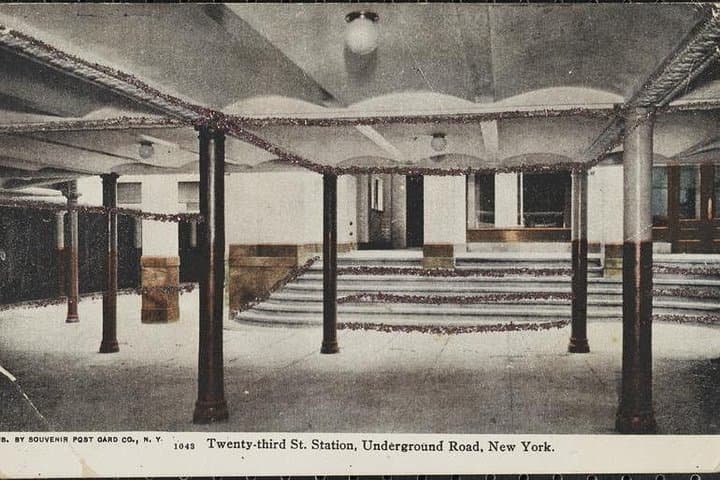
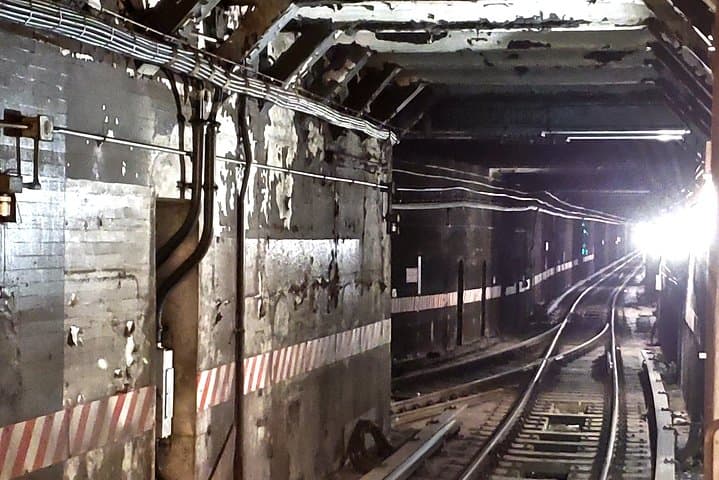
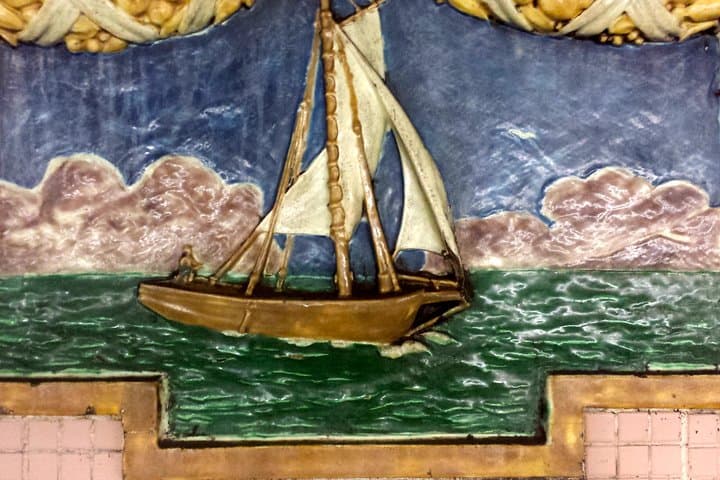
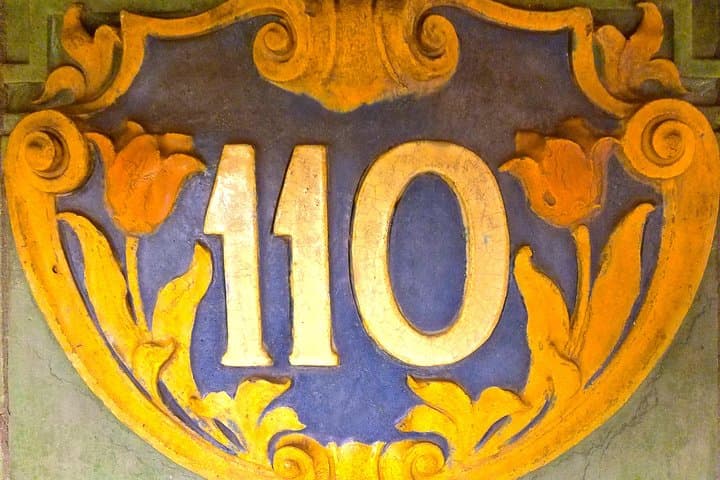
You step off the street into a cool, echoing artery where trains breathe and tiles hold decades of stories. The guide meets the small group outside a busy Manhattan station; the city above hums, but below the platforms the city’s engineering takes center stage. The ride follows parts of the original 1904 route, pausing where mosaics, terra cotta and vaulted ceilings still draw quiet attention.
Verified experiences and guided adventures in the surrounding area.
Operated by New York Tours by Gary · New York, NY
You step off the street into a cool, echoing artery where trains breathe and tiles hold decades of stories. The guide meets the small group outside a busy Manhattan station; the city above hums, but below the platforms the city’s engineering takes center stage. The ride follows parts of the original 1904 route, pausing where mosaics, terra cotta and vaulted ceilings still draw quiet attention.
The New York City subway began as a bold municipal experiment—cut-and-cover trenches and early tunneling through complex ground conditions—growing into the extensive system it is today. Stations like Grand Central and Astor Place show the civic pride and changing tastes of the 20th century: Beaux-Arts spaces, public art commissions, and the nearly forgotten City Hall station that riders glimpse as trains loop through it.
Culturally the system has always been both laboratory and stage: immigrant crowds, labor strikes, WPA-era mosaics, and contemporary transit art. The tour highlights how engineering, politics and design shaped routes and stations, and explains why preserving places like Grand Central matters.
Practical guidance: this private outing lasts about 2.5 hours, covers street-to-platform walking and some staircases, and moves at an urban walking pace. You will pay a single fare on entry; the guide stays on public, legal areas and will not enter tunnels. Expect several platform transfers and close quarters during peak hours—bring a contactless payment method, comfortable shoes, and a charged phone for photos and maps. Ideal for history-minded visitors and locals curious about the city beneath their feet.
moderate.
2–3 hours.
Moderate urban fitness—able to walk standing city pace, use stairs multiple times, and stand on platforms for short stretches.
No. The tour stays on public platforms and legal access points; you will see the abandoned City Hall station from the safety of a moving or platformed train.
Fare is not included; you pay a single subway fare at the start of the tour—bring contactless payment or a MetroCard.
Service animals are allowed; however, there are stairs and some stations lack elevators—contact the operator in advance to discuss specific mobility requirements.
Groups are private up to five people. Cancel at least 24 hours before the scheduled time for a full refund per the operator’s policy.
The original IRT subway opened in 1904 after years of municipal planning; early construction used cut-and-cover and early tunneling methods that shaped route placement in Manhattan.
Mass transit reduces per-capita emissions in dense cities, and preservation efforts (like the campaign to save Grand Central) highlight the cultural importance of conserving transit architecture.
New York Tours by Gary operates guided outdoor trips and adventures with an emphasis on safety, stewardship, and memorable experiences.
You step off the street into a cool, echoing artery where trains breathe and tiles hold decades of stories. The guide meets the small group outside a busy Manhattan station; the city above hums, but below the platforms the city’s engineering takes center stage. The ride follows parts of the original 1904 route, pausing where mosaics, terra cotta and vaulted ceilings still draw quiet attention.
You step off the street into a cool, echoing artery where trains breathe and tiles hold decades of stories. The guide meets the small group outside a busy Manhattan station; the city above hums, but below the platforms the city’s engineering takes center stage. The ride follows parts of the original 1904 route, pausing where mosaics, terra cotta and vaulted ceilings still draw quiet attention.
The New York City subway began as a bold municipal experiment—cut-and-cover trenches and early tunneling through complex ground conditions—growing into the extensive system it is today. Stations like Grand Central and Astor Place show the civic pride and changing tastes of the 20th century: Beaux-Arts spaces, public art commissions, and the nearly forgotten City Hall station that riders glimpse as trains loop through it.
Culturally the system has always been both laboratory and stage: immigrant crowds, labor strikes, WPA-era mosaics, and contemporary transit art. The tour highlights how engineering, politics and design shaped routes and stations, and explains why preserving places like Grand Central matters.
Practical guidance: this private outing lasts about 2.5 hours, covers street-to-platform walking and some staircases, and moves at an urban walking pace. You will pay a single fare on entry; the guide stays on public, legal areas and will not enter tunnels. Expect several platform transfers and close quarters during peak hours—bring a contactless payment method, comfortable shoes, and a charged phone for photos and maps. Ideal for history-minded visitors and locals curious about the city beneath their feet.