THE ADVENTURE COLLECTIVE® · Independent discovery and booking for outdoor travel

Avoid the gimmicks and walk the French Quarter with a guide who separates fact from fiction. This two-hour, small-group tour visits shrines, Congo Square, and the altars linked to Marie Laveau while offering cultural and historical context.
Avoid the gimmicks and walk the French Quarter with a guide who separates fact from fiction. This two-hour, small-group tour visits shrines, Congo Square, and the altars linked to Marie Laveau while offering cultural and historical context.
You step off Dumaine Street into a city that keeps its past audible: streetcars click, conversations ripple from bars, and the Quarter's brick and ironwork press history up against your shoulders. In a small group (max nine), the guide tilts the map toward altars, shrines and stones where Voodoo has been practiced, argued about, and remembered.
Verified experiences and guided adventures in the surrounding area.
Operated by New Orleans Secrets Tours · New Orleans, Louisiana
You step off Dumaine Street into a city that keeps its past audible: streetcars click, conversations ripple from bars, and the Quarter's brick and ironwork press history up against your shoulders. In a small group (max nine), the guide tilts the map toward altars, shrines and stones where Voodoo has been practiced, argued about, and remembered.
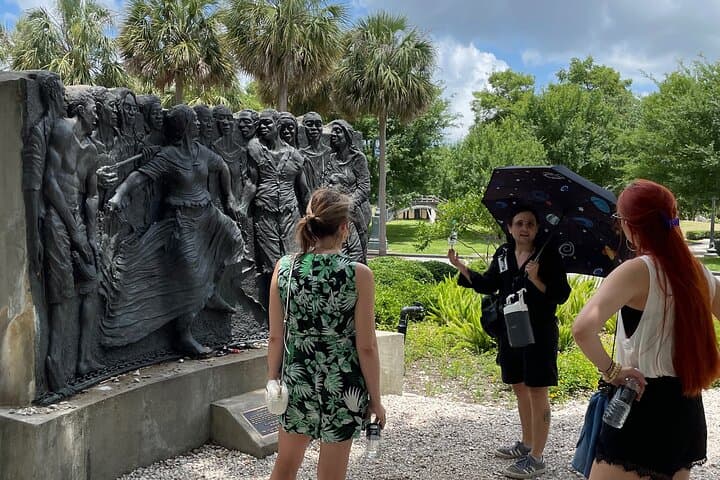
This tour moves through the French Quarter and Congo Square, tracing the religion's roots to West African traditions and the lived experience of enslaved people in New Orleans. The city's geology — low, marshy ground beside the Mississippi — and its colonial layers shaped the movement of people and ideas; Voodoo grew where cultures met, adapted and persisted.
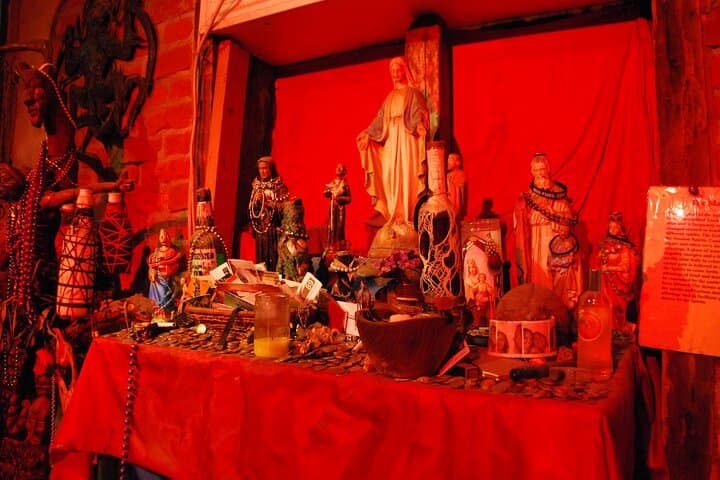
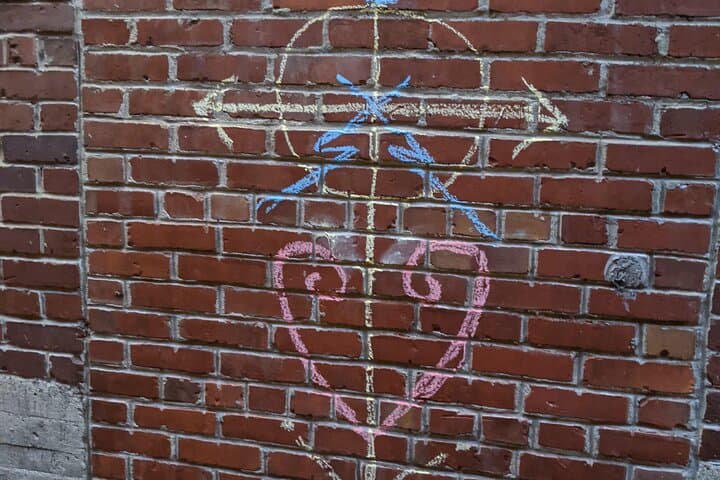
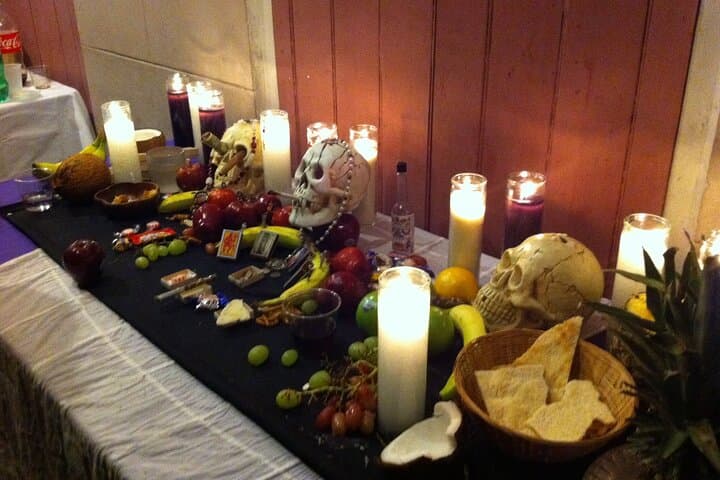
Along narrow lanes you'll see offerings, rosary beads, and tributes to Marie Laveau, the 19th-century figure whose life sits at the intersection of folklore and documented history. The guide separates myth from record, explaining ritual objects, altars, and the language of signs in public and private practice.
Practical notes: the tour is entirely on foot across paved streets and occasional uneven sidewalks; it lasts about two hours. Expect frequent stops for interpretation and photos. Dress for humidity and sudden rain — breathable layers and comfortable shoes are wise. Be prepared to listen respectfully at private altars; photography may be restricted in certain spaces and inside shops like Voodoo Authentica.
For visitors who want context, arrive a little early to look at maps of Charlestown-era New Orleans and to hear how preservation and tourism affect living spiritual practices today.
easy.
2 hours.
Suitable for most activity levels; requires standing and walking up to 1.5–2 miles on city streets.
The tour runs about two hours and covers roughly 1.5–2 miles of walking through the French Quarter and Congo Square.
Yes; the tour is wheelchair- and stroller-accessible according to operator notes, but discuss mobility needs when booking.
The itinerary includes public altars, plazas, and a final stop at Voodoo Authentica; private homes are not entered without explicit permission.
Photography is generally allowed at public sites but may be restricted at certain shrines or inside shops—ask the guide when in doubt.
Voodoo in New Orleans blends West African spiritual systems with Catholic elements brought by colonists; Marie Laveau (1801–1881) became a central, documented figure in 19th-century public practice.
Tourism pressure and street-level offerings can wear historic sites; support local businesses and follow guides' instructions to avoid disturbing fragile altars and artifacts.
New Orleans Secrets Tours operates guided outdoor trips and adventures with an emphasis on safety, stewardship, and memorable experiences.
You step off Dumaine Street into a city that keeps its past audible: streetcars click, conversations ripple from bars, and the Quarter's brick and ironwork press history up against your shoulders. In a small group (max nine), the guide tilts the map toward altars, shrines and stones where Voodoo has been practiced, argued about, and remembered.
You step off Dumaine Street into a city that keeps its past audible: streetcars click, conversations ripple from bars, and the Quarter's brick and ironwork press history up against your shoulders. In a small group (max nine), the guide tilts the map toward altars, shrines and stones where Voodoo has been practiced, argued about, and remembered.
This tour moves through the French Quarter and Congo Square, tracing the religion's roots to West African traditions and the lived experience of enslaved people in New Orleans. The city's geology — low, marshy ground beside the Mississippi — and its colonial layers shaped the movement of people and ideas; Voodoo grew where cultures met, adapted and persisted.
Along narrow lanes you'll see offerings, rosary beads, and tributes to Marie Laveau, the 19th-century figure whose life sits at the intersection of folklore and documented history. The guide separates myth from record, explaining ritual objects, altars, and the language of signs in public and private practice.
Practical notes: the tour is entirely on foot across paved streets and occasional uneven sidewalks; it lasts about two hours. Expect frequent stops for interpretation and photos. Dress for humidity and sudden rain — breathable layers and comfortable shoes are wise. Be prepared to listen respectfully at private altars; photography may be restricted in certain spaces and inside shops like Voodoo Authentica.
For visitors who want context, arrive a little early to look at maps of Charlestown-era New Orleans and to hear how preservation and tourism affect living spiritual practices today.