THE ADVENTURE COLLECTIVE® · Independent discovery and booking for outdoor travel

Discover Nairobi National Park, a unique wildlife sanctuary just minutes from Kenya’s bustling capital. Experience close encounters with lions, rhinos, and over 400 bird species in this rare blend of urban and wild.
Discover Nairobi National Park, a unique wildlife sanctuary just minutes from Kenya’s bustling capital. Experience close encounters with lions, rhinos, and over 400 bird species in this rare blend of urban and wild.
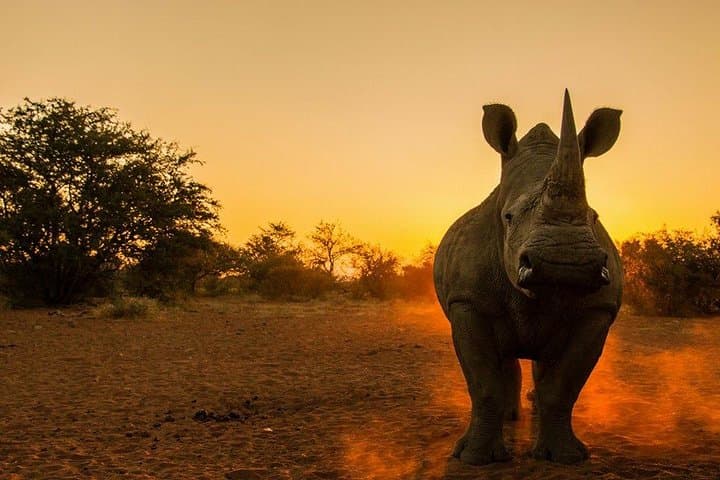
Only seven kilometers separate Nairobi National Park from the city center, creating one of the world’s rarest wildlife experiences—a savannah refuge that pulses with untamed energy while the urban skyline looms nearby. As you enter this mosaic of open grasslands, scattered acacia bushes, and patches of dry highland forest, the atmosphere shifts instantly. Lions bask lazily under shade trees, while black rhinos tread cautiously near the riverine forest, where a permanent waterway snakes through the park, coaxing birds and creatures to its banks.
Verified experiences and guided adventures in the surrounding area.
Operated by Abana Safaris · Nairobi
Only seven kilometers separate Nairobi National Park from the city center, creating one of the world’s rarest wildlife experiences—a savannah refuge that pulses with untamed energy while the urban skyline looms nearby. As you enter this mosaic of open grasslands, scattered acacia bushes, and patches of dry highland forest, the atmosphere shifts instantly. Lions bask lazily under shade trees, while black rhinos tread cautiously near the riverine forest, where a permanent waterway snakes through the park, coaxing birds and creatures to its banks.
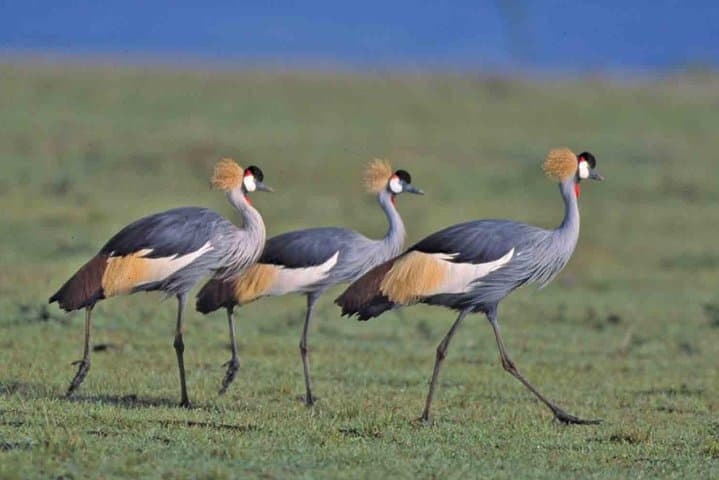
This is not just a game reserve; it’s a living ecosystem preserving vital migration corridors like the Athi-Kapiti Plains to the south that thread wildlife movements through Kenya’s changing seasons. Here, over 400 bird species wheel overhead—floats of pelicans, vultures circling their prey, and shimmering bee-eaters darting through shafts of light. The park’s man-made dams have quietly reshaped habitats, inviting aquatic life to join the mix.
Amid these wild rhythms are reminders of both history and conservation. The Ivory Burning Site Monument solemnly marks a stand against poaching, a testament to ongoing struggles to protect endangered species like the black rhino. Nairobi Safari Walk offers an intimate trail where flora and fauna narrate their story of survival and resilience within the city’s shadow.
A typical tour lasts 3 to 5 hours, guided through rolling grassy plains dotted with giraffes, zebras, wildebeests, and elusive leopards. The terrain is mostly flat but uneven in spots, best tackled with sturdy footwear. Early morning departures catch animals at their most active, while midday heat encourages rest beneath acacias.
Getting here is surprisingly convenient: from most Nairobi hotels, a pickup within the Central Business District is arranged, whisking visitors swiftly to park gates. The park welcomes visitors all year, though the dry months (July to October) often provide clearer wildlife sightings as animals gather near water sources.
Practical tips: bring plenty of water and sun protection, binoculars for distant views, and a camera with a good zoom. Respect park rules—stay inside your vehicle unless in designated safe zones—to keep both wildlife and yourself safe.
Nairobi National Park is a visceral lesson in coexistence, where wild calls meet city hum. It dares travelers to witness Africa’s raw edge without straying far from urban comforts, offering a rare window into a world where nature’s pulse beats close to humanity’s heart.
easy.
3–5 hours.
Suitable for all fitness levels; minimal walking involved, mostly a seated safari experience.
The park lies just 7 kilometers from Nairobi’s central business district, accessible via a short drive.
Visitors can enter independently but tours are recommended for guided experiences and easier navigation.
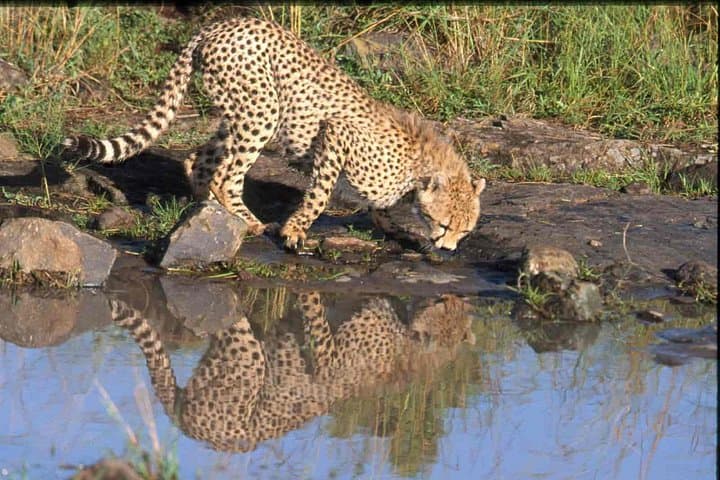
Common sights include lions, black rhinos, giraffes, zebras, cheetahs, and over 400 bird species.
Yes, the park and transportation options accommodate wheelchair users, but some trails may be limited.
Dry months from July to October offer optimal wildlife viewing as animals congregate near water.
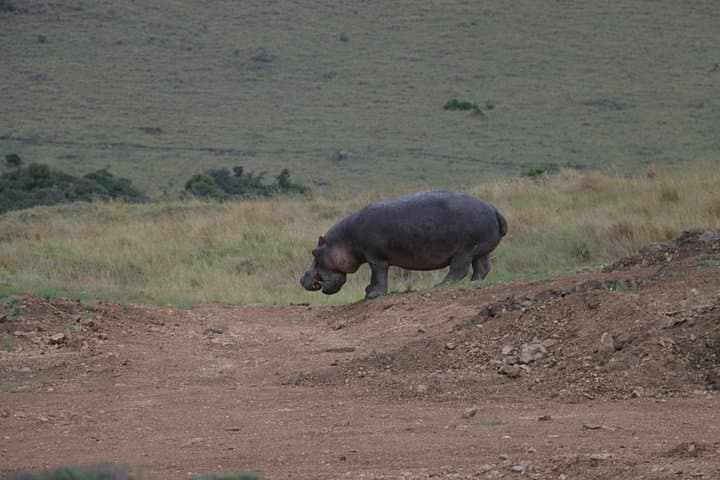
Yes, there are designated walking trails such as at the Hippo Pools, but most safaris are vehicle-based for safety.
Established in 1946, Nairobi National Park was Africa’s first national park and uniquely borders an expanding metropolis.
The park plays a critical role in protecting endangered species and maintaining wildlife corridors against urban encroachment.
Abana Safaris operates guided outdoor trips and adventures with an emphasis on safety, stewardship, and memorable experiences.
Only seven kilometers separate Nairobi National Park from the city center, creating one of the world’s rarest wildlife experiences—a savannah refuge that pulses with untamed energy while the urban skyline looms nearby. As you enter this mosaic of open grasslands, scattered acacia bushes, and patches of dry highland forest, the atmosphere shifts instantly. Lions bask lazily under shade trees, while black rhinos tread cautiously near the riverine forest, where a permanent waterway snakes through the park, coaxing birds and creatures to its banks.
Only seven kilometers separate Nairobi National Park from the city center, creating one of the world’s rarest wildlife experiences—a savannah refuge that pulses with untamed energy while the urban skyline looms nearby. As you enter this mosaic of open grasslands, scattered acacia bushes, and patches of dry highland forest, the atmosphere shifts instantly. Lions bask lazily under shade trees, while black rhinos tread cautiously near the riverine forest, where a permanent waterway snakes through the park, coaxing birds and creatures to its banks.
This is not just a game reserve; it’s a living ecosystem preserving vital migration corridors like the Athi-Kapiti Plains to the south that thread wildlife movements through Kenya’s changing seasons. Here, over 400 bird species wheel overhead—floats of pelicans, vultures circling their prey, and shimmering bee-eaters darting through shafts of light. The park’s man-made dams have quietly reshaped habitats, inviting aquatic life to join the mix.
Amid these wild rhythms are reminders of both history and conservation. The Ivory Burning Site Monument solemnly marks a stand against poaching, a testament to ongoing struggles to protect endangered species like the black rhino. Nairobi Safari Walk offers an intimate trail where flora and fauna narrate their story of survival and resilience within the city’s shadow.
A typical tour lasts 3 to 5 hours, guided through rolling grassy plains dotted with giraffes, zebras, wildebeests, and elusive leopards. The terrain is mostly flat but uneven in spots, best tackled with sturdy footwear. Early morning departures catch animals at their most active, while midday heat encourages rest beneath acacias.
Getting here is surprisingly convenient: from most Nairobi hotels, a pickup within the Central Business District is arranged, whisking visitors swiftly to park gates. The park welcomes visitors all year, though the dry months (July to October) often provide clearer wildlife sightings as animals gather near water sources.
Practical tips: bring plenty of water and sun protection, binoculars for distant views, and a camera with a good zoom. Respect park rules—stay inside your vehicle unless in designated safe zones—to keep both wildlife and yourself safe.
Nairobi National Park is a visceral lesson in coexistence, where wild calls meet city hum. It dares travelers to witness Africa’s raw edge without straying far from urban comforts, offering a rare window into a world where nature’s pulse beats close to humanity’s heart.