THE ADVENTURE COLLECTIVE® · Independent discovery and booking for outdoor travel

Nairobi National Park offers an extraordinary wildlife experience just kilometers from Kenya’s bustling capital. This urban sanctuary showcases rhinos, lions, and savannah species against the surprising backdrop of city skyscrapers.
Nairobi National Park offers an extraordinary wildlife experience just kilometers from Kenya’s bustling capital. This urban sanctuary showcases rhinos, lions, and savannah species against the surprising backdrop of city skyscrapers.
At the break of dawn, the air inside Nairobi National Park hums with the restless stirrings of wildlife against the unlikely backdrop of city skyscrapers. Just a few kilometers from Kenya’s capital, this 117-square-kilometer reserve presents a rare glimpse where urban life skims the edge of untamed African wilderness. Vehicles roll slowly along dirt tracks, engines muted in reverence as lions lounge beneath acacia trees or rhinos trail through wide savannah expanses. Here, the great herds and the Big Five share the land with the distant hum of Nairobi’s cityscape—an ever-present reminder that nature’s pulse still beats close to home.
Verified experiences and guided adventures in the surrounding area.
Operated by Poa Sana Safaris · Nairobi, Nairobi
At the break of dawn, the air inside Nairobi National Park hums with the restless stirrings of wildlife against the unlikely backdrop of city skyscrapers. Just a few kilometers from Kenya’s capital, this 117-square-kilometer reserve presents a rare glimpse where urban life skims the edge of untamed African wilderness. Vehicles roll slowly along dirt tracks, engines muted in reverence as lions lounge beneath acacia trees or rhinos trail through wide savannah expanses. Here, the great herds and the Big Five share the land with the distant hum of Nairobi’s cityscape—an ever-present reminder that nature’s pulse still beats close to home.
Formed in 1946, Nairobi National Park was Africa’s first national park established within a capital city’s limits. Its landscape is a mosaic of open plains, riverine forests, and rugged hills, shaped by ancient volcanic activity. This diversity attracts a surprising array of wildlife, from elusive black rhinos—one of the park’s main draws and a species often hard to spot elsewhere—to graceful gazelles darting between shrubs. Birdwatchers will find dozens of species flitting among the branches, adding a soundtrack of chirps and whistles to the morning air.
Nairobi’s vibrant cultural fabric intertwines with this reserve; Maasai, Kikuyu, and other indigenous peoples have historically navigated these same lands, reading the environment’s subtle signs to sustain their communities. Today, the park’s proximity to the city fosters unique challenges and opportunities—conservation efforts here are pressing, seeking to balance human expansion with habitat preservation.
Practical travelers can access Nairobi National Park easily as a half-day or full-day excursion. Expect about three to four hours of game viewing via a 4x4 tour vehicle, covering varied terrain that is mostly flat with some undulating ridges. Early morning or late afternoon drives maximize animal activity and cooler temperatures, essential under the intense equatorial sun. Bottled water and sun protection are musts; sturdy walking shoes aren’t necessary unless exploring designated walking trails outside the vehicle.
Guided tours provide expert insight into wildlife behavior and park ecology, increasing your chances of spotting the rarer inhabitants. The park’s rhino population is one of the highlights, with sightings far more frequent here than in other Kenyan parks due to concentrated conservation efforts. Although the Big Five are present—lion, elephant, leopard, buffalo, and rhino—the unpredictable nature of wildlife means patience and attentiveness pay off.
Nairobi National Park’s unique blend of sprawling wildlife habitat and the silhouette of a modern city offers adventurers an unmatched experience to confront the layers of Kenya’s natural and urban worlds in a single journey.
easy.
3–4 hours.
Suitable for all fitness levels; minimal physical exertion required as game drives occur in vehicles.
The park is about 7 km south of Nairobi’s CBD and accessible by private car, taxi, or included transfers from many hotels.
Yes, the park is family-friendly, and children can enjoy game drives, though infants must sit on an adult’s lap for safety.
Sightings vary, but Nairobi National Park has populations of all Big Five animals. Patience and timing improve chances.
Bring bottled water, sun protection, binoculars, a camera, and comfortable clothing in neutral colors.
Guided walking tours are limited; most visitors explore by 4x4 vehicle on designated tracks for safety and conservation reasons.
Yes, basic facilities including restrooms and picnic areas are available at certain visitor spots within the park.
Created in 1946, Nairobi National Park holds the distinction of being Africa’s first national park within a capital city, marking a milestone in urban conservation.
The park is vital for rhino conservation, with active anti-poaching units and community programs designed to sustain wildlife amid urban pressures.
Poa Sana Safaris operates guided outdoor trips and adventures with an emphasis on safety, stewardship, and memorable experiences.
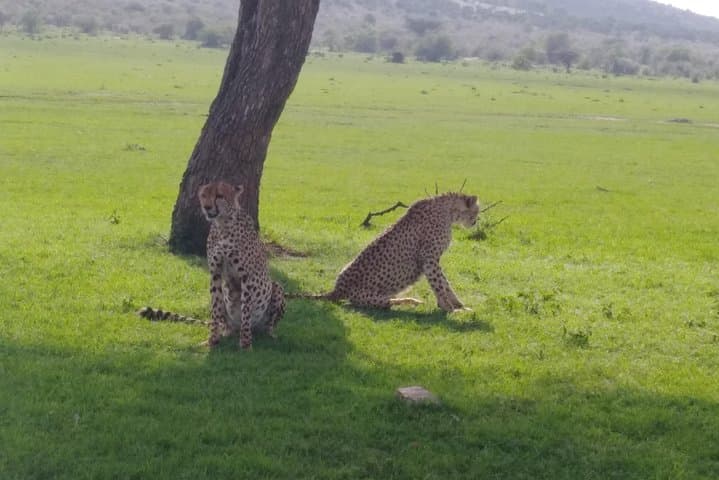
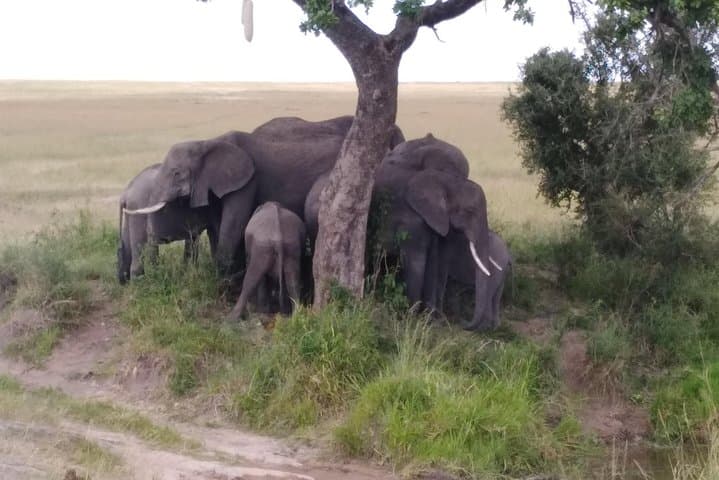
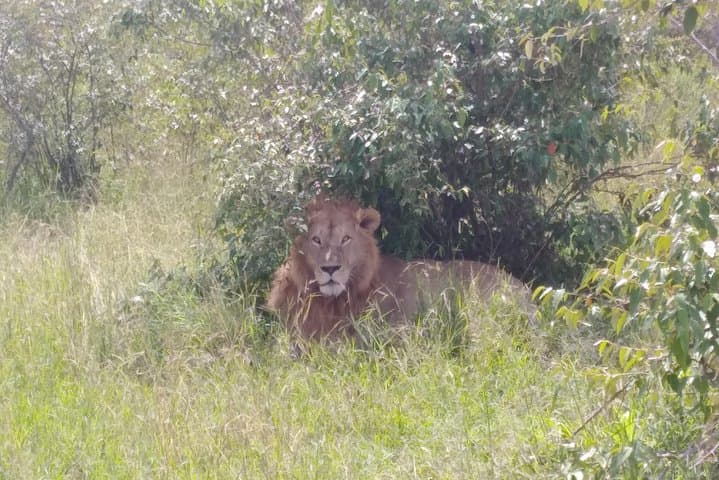

At the break of dawn, the air inside Nairobi National Park hums with the restless stirrings of wildlife against the unlikely backdrop of city skyscrapers. Just a few kilometers from Kenya’s capital, this 117-square-kilometer reserve presents a rare glimpse where urban life skims the edge of untamed African wilderness. Vehicles roll slowly along dirt tracks, engines muted in reverence as lions lounge beneath acacia trees or rhinos trail through wide savannah expanses. Here, the great herds and the Big Five share the land with the distant hum of Nairobi’s cityscape—an ever-present reminder that nature’s pulse still beats close to home.
At the break of dawn, the air inside Nairobi National Park hums with the restless stirrings of wildlife against the unlikely backdrop of city skyscrapers. Just a few kilometers from Kenya’s capital, this 117-square-kilometer reserve presents a rare glimpse where urban life skims the edge of untamed African wilderness. Vehicles roll slowly along dirt tracks, engines muted in reverence as lions lounge beneath acacia trees or rhinos trail through wide savannah expanses. Here, the great herds and the Big Five share the land with the distant hum of Nairobi’s cityscape—an ever-present reminder that nature’s pulse still beats close to home.
Formed in 1946, Nairobi National Park was Africa’s first national park established within a capital city’s limits. Its landscape is a mosaic of open plains, riverine forests, and rugged hills, shaped by ancient volcanic activity. This diversity attracts a surprising array of wildlife, from elusive black rhinos—one of the park’s main draws and a species often hard to spot elsewhere—to graceful gazelles darting between shrubs. Birdwatchers will find dozens of species flitting among the branches, adding a soundtrack of chirps and whistles to the morning air.
Nairobi’s vibrant cultural fabric intertwines with this reserve; Maasai, Kikuyu, and other indigenous peoples have historically navigated these same lands, reading the environment’s subtle signs to sustain their communities. Today, the park’s proximity to the city fosters unique challenges and opportunities—conservation efforts here are pressing, seeking to balance human expansion with habitat preservation.
Practical travelers can access Nairobi National Park easily as a half-day or full-day excursion. Expect about three to four hours of game viewing via a 4x4 tour vehicle, covering varied terrain that is mostly flat with some undulating ridges. Early morning or late afternoon drives maximize animal activity and cooler temperatures, essential under the intense equatorial sun. Bottled water and sun protection are musts; sturdy walking shoes aren’t necessary unless exploring designated walking trails outside the vehicle.
Guided tours provide expert insight into wildlife behavior and park ecology, increasing your chances of spotting the rarer inhabitants. The park’s rhino population is one of the highlights, with sightings far more frequent here than in other Kenyan parks due to concentrated conservation efforts. Although the Big Five are present—lion, elephant, leopard, buffalo, and rhino—the unpredictable nature of wildlife means patience and attentiveness pay off.
Nairobi National Park’s unique blend of sprawling wildlife habitat and the silhouette of a modern city offers adventurers an unmatched experience to confront the layers of Kenya’s natural and urban worlds in a single journey.