THE ADVENTURE COLLECTIVE® · Independent discovery and booking for outdoor travel

Just 15 minutes from Nairobi’s bustling center, the Nairobi National Park offers a surprising safari experience where urban life meets wild plains. Journey into this protected reserve to encounter lions, rhinos, and hundreds of bird species on a guided game drive that blends convenience with adventure.
Just 15 minutes from Nairobi’s bustling center, the Nairobi National Park offers a surprising safari experience where urban life meets wild plains. Journey into this protected reserve to encounter lions, rhinos, and hundreds of bird species on a guided game drive that blends convenience with adventure.
At dawn, Nairobi’s skyline melts into the golden light spilling over the acacia-studded plains of Nairobi National Park. Just 15 minutes from the heart of Kenya’s capital, this 117-square-kilometer wilderness offers a rare juxtaposition of urban buzz and wild retreat. As the city stirs, the park’s savanna comes alive — lions stretch out from shady thickets, black rhinos graze cautiously, and herds of giraffes drum the earth with measured steps.
Verified experiences and guided adventures in the surrounding area.
Operated by African Beast tours and safaris · Nairobi, Nairobi County
At dawn, Nairobi’s skyline melts into the golden light spilling over the acacia-studded plains of Nairobi National Park. Just 15 minutes from the heart of Kenya’s capital, this 117-square-kilometer wilderness offers a rare juxtaposition of urban buzz and wild retreat. As the city stirs, the park’s savanna comes alive — lions stretch out from shady thickets, black rhinos graze cautiously, and herds of giraffes drum the earth with measured steps.
Established in 1945, Nairobi National Park holds a distinct place in conservation history as Kenya’s first protected wildlife reserve. It's a paradox of terrain where grasslands undulate toward the edge of a sprawling metropolis, offering visitors a safari experience that defies expectations. The ground is etched with traces of volcanic ash and ancient sediment, speaking to a geologic past that shaped this landscape of scrub forests and shallow wetlands.
The park’s proximity to the capital city ensures accessibility, yet its ecosystem harbors a rich array of fauna — over 400 bird species, elusive leopards, cheetahs, buffalos, hyenas, and the iconic black rhino, endangered but resilient. The Nairobi River threads through the park, its currents weaving life into these plains and daring wildlife to drink under watchful eyes.
Joining a small group tour, travelers can expect a 3–4 hour game drive aboard a safari 4x4 van equipped with a pop-up roof. This vantage point allows panoramic views of the animals roaming the vast plains. A knowledgeable guide steers the adventure, sharing insights into animal behavior and conservation efforts while navigating dirt tracks that reveal hidden corners of the park. Hotel pickups from nearby locations streamline the start, making the urban-to-wild transition seamless.
Entry fees are not included and require payment via the Kenyan government e-citizen platform by card. For those planning their visit, morning departures between 6:00 and 7:00 a.m. maximize the chance to witness active wildlife, especially predators like lions and hyenas preparing for the day.
Travelers should come prepared with good walking shoes, binoculars, and layered clothing for the cool morning temperatures that warm under the intense equatorial sun. Bringing water is essential; the dry grasslands offer little natural shade except scattered trees.
Sustainability efforts focus on balancing tourism with protection of the rhino population and migratory pathways for animals venturing beyond the park. By opting for guided tours, visitors contribute directly to conservation funding and community programs.
For photographers, the early morning light creates crisp shadows and vivid colors, with viewpoints near the waterholes providing dynamic frames of animal interaction against a backdrop of Nairobi’s distant skyline.
Nairobi National Park is a unique gateway to Kenya’s wild heart, offering an accessible safari that challenges preconceived notions about urban proximity and wildlife. It invites travelers to experience the pulse of African wilderness set against one of the continent’s fastest-growing cities.
easy.
3–4 hours.
Suitable for all fitness levels; primarily a seated safari drive with occasional short walks.
Yes, the park is family-friendly. The game drives are conducted in vehicles and are safe for children, though young kids should be supervised around animals.
No, park entrance fees are paid separately via the Kenyan government e-citizen portal by card at entry.
Common sightings include lions, black rhinos, leopards, giraffes, buffalos, hyenas, cheetahs, and a rich variety of bird species.
Nairobi National Park lies approximately 15 minutes by vehicle from the city center, making it highly accessible.
The game drive vehicle offers seating with a pop-up roof for viewing, suitable for most mobility levels; however, minimal walking is involved.
Basic restroom facilities exist at the park gates, but food services are limited, so bringing snacks is advisable.
Founded in 1945, Nairobi National Park is notable as Kenya’s first national park, preserving wildlife close to urban Nairobi.
The park plays a critical role in protecting endangered species like the black rhino and maintaining migratory wildlife corridors amidst urban expansion.
African Beast tours and safaris operates guided outdoor trips and adventures with an emphasis on safety, stewardship, and memorable experiences.
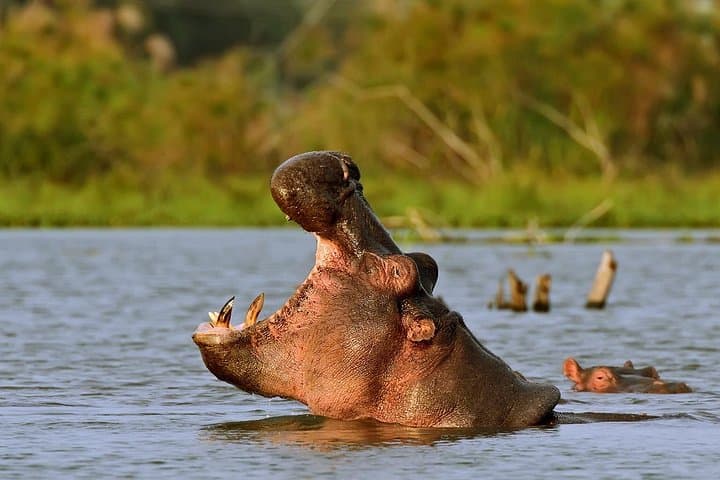

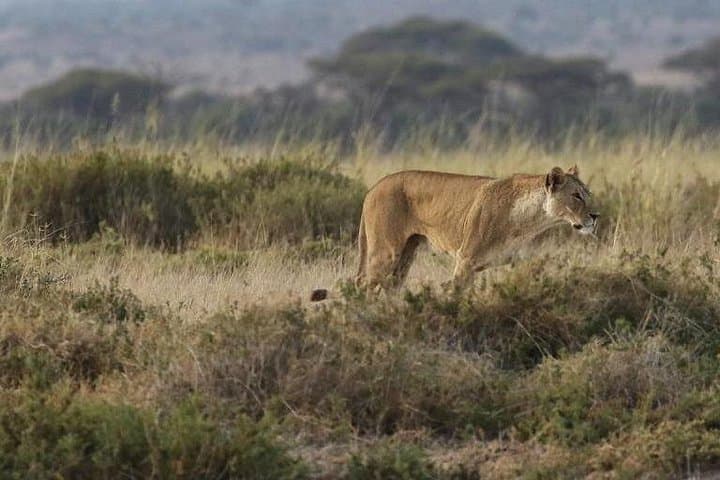
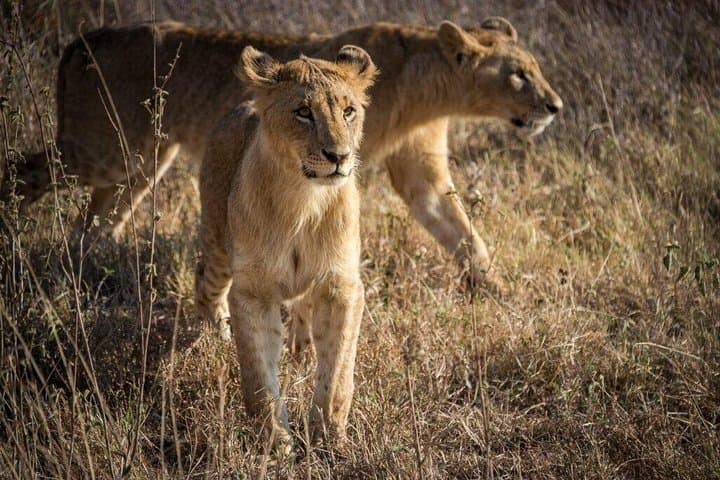
At dawn, Nairobi’s skyline melts into the golden light spilling over the acacia-studded plains of Nairobi National Park. Just 15 minutes from the heart of Kenya’s capital, this 117-square-kilometer wilderness offers a rare juxtaposition of urban buzz and wild retreat. As the city stirs, the park’s savanna comes alive — lions stretch out from shady thickets, black rhinos graze cautiously, and herds of giraffes drum the earth with measured steps.
At dawn, Nairobi’s skyline melts into the golden light spilling over the acacia-studded plains of Nairobi National Park. Just 15 minutes from the heart of Kenya’s capital, this 117-square-kilometer wilderness offers a rare juxtaposition of urban buzz and wild retreat. As the city stirs, the park’s savanna comes alive — lions stretch out from shady thickets, black rhinos graze cautiously, and herds of giraffes drum the earth with measured steps.
Established in 1945, Nairobi National Park holds a distinct place in conservation history as Kenya’s first protected wildlife reserve. It's a paradox of terrain where grasslands undulate toward the edge of a sprawling metropolis, offering visitors a safari experience that defies expectations. The ground is etched with traces of volcanic ash and ancient sediment, speaking to a geologic past that shaped this landscape of scrub forests and shallow wetlands.
The park’s proximity to the capital city ensures accessibility, yet its ecosystem harbors a rich array of fauna — over 400 bird species, elusive leopards, cheetahs, buffalos, hyenas, and the iconic black rhino, endangered but resilient. The Nairobi River threads through the park, its currents weaving life into these plains and daring wildlife to drink under watchful eyes.
Joining a small group tour, travelers can expect a 3–4 hour game drive aboard a safari 4x4 van equipped with a pop-up roof. This vantage point allows panoramic views of the animals roaming the vast plains. A knowledgeable guide steers the adventure, sharing insights into animal behavior and conservation efforts while navigating dirt tracks that reveal hidden corners of the park. Hotel pickups from nearby locations streamline the start, making the urban-to-wild transition seamless.
Entry fees are not included and require payment via the Kenyan government e-citizen platform by card. For those planning their visit, morning departures between 6:00 and 7:00 a.m. maximize the chance to witness active wildlife, especially predators like lions and hyenas preparing for the day.
Travelers should come prepared with good walking shoes, binoculars, and layered clothing for the cool morning temperatures that warm under the intense equatorial sun. Bringing water is essential; the dry grasslands offer little natural shade except scattered trees.
Sustainability efforts focus on balancing tourism with protection of the rhino population and migratory pathways for animals venturing beyond the park. By opting for guided tours, visitors contribute directly to conservation funding and community programs.
For photographers, the early morning light creates crisp shadows and vivid colors, with viewpoints near the waterholes providing dynamic frames of animal interaction against a backdrop of Nairobi’s distant skyline.
Nairobi National Park is a unique gateway to Kenya’s wild heart, offering an accessible safari that challenges preconceived notions about urban proximity and wildlife. It invites travelers to experience the pulse of African wilderness set against one of the continent’s fastest-growing cities.